Assam remediates 65% legacy waste in urban areas under Swachh Bharat
Synopsis
Assam has quietly cleared nearly two-thirds of its accumulated urban legacy waste under the Swachh Bharat Mission — a figure CM Himanta Biswa Sarma himself calls one of his government's least-discussed wins. With 23 waste treatment plants live and a 100% remediation target in sight, the state's bio-mining push is one of the more concrete sanitation stories to emerge from India's northeast in recent years.
Key Takeaways
Assam has remediated 65 per cent of legacy waste in urban areas under the Swachh Bharat Mission , CM Himanta Biswa Sarma announced on 19 May 2025 .
The state has identified 54 legacy waste treatment plants ; 23 are operational .
33 faecal sludge treatment plants have been planned, with 20 currently functional .
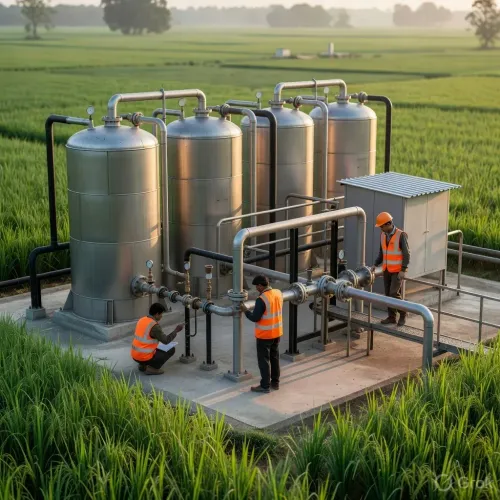
Remediation uses bio-mining and waste processing technologies to convert old dumps into reusable or environmentally safe material.
Municipal bodies have launched door-to-door waste collection and source-segregation awareness drives.
The government is targeting 100 per cent legacy waste remediation across urban areas in the coming months.
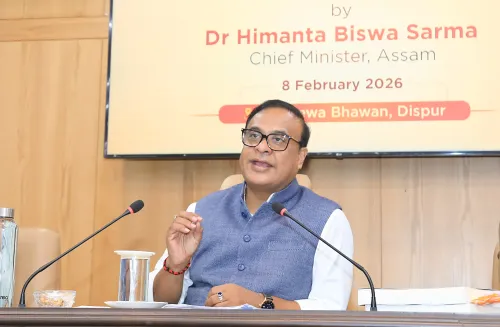
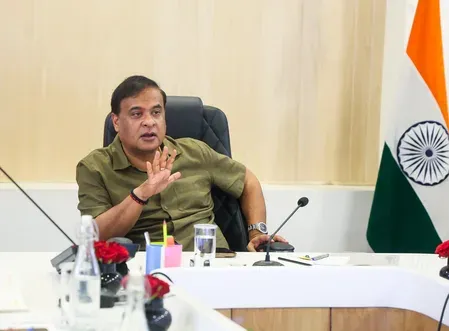
Assam Chief Minister Himanta Biswa Sarma on Tuesday, 19 May said that urban garbage management stands as one of his government's most underrecognised achievements, announcing that the state has remediated 65 per cent of legacy waste in urban areas under the Swachh Bharat Mission. Sarma made the disclosure in a post on social media platform X, attributing the initiative to Prime Minister Narendra Modi's vision of a cleaner India.
What CM Sarma Said
'One of the lesser talked about aspects of our governance is how we've been able to do urban garbage management. Inspired by PM Narendra Modi Ji's call of Swachh Bharat, we have remediated 65 per cent of legacy waste and are working towards achieving 100 per cent remediation,' Sarma said in his post.
Waste Treatment Infrastructure on the Ground
According to data shared by the Chief Minister, Assam has identified 54 legacy waste treatment plants across its urban centres. Of these, 23 are already operational. The state government has additionally planned 33 faecal sludge treatment plants, of which 20 are currently functional.
Officials said the legacy waste remediation programme works by scientifically clearing old garbage dumps accumulated over several years in municipal areas, converting accumulated waste into reusable or environmentally safe material through bio-mining and waste processing technologies.
Broader Urban Sanitation Push
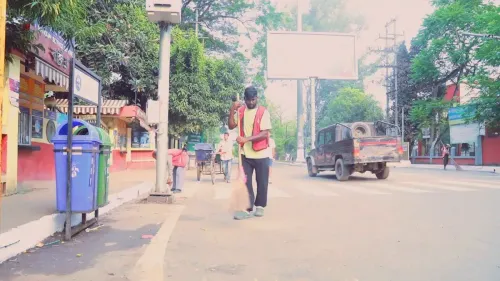
Beyond legacy waste, the Assam government has been strengthening urban sanitation systems across the state. Urban development department officials said several municipal bodies have rolled out door-to-door waste collection systems, alongside public awareness campaigns promoting segregation of biodegradable and non-biodegradable waste at source.
The state has also been focusing on waste segregation and scientific disposal systems as part of a wider effort to upgrade civic infrastructure in its towns and cities. This comes amid growing national emphasis on urban cleanliness metrics under the Centre's Swachh Survekshan rankings, where Assam has been working to improve its standing.
What Comes Next
Officials confirmed that the remaining legacy waste sites are being addressed in phases. The government has indicated that efforts are underway to achieve complete remediation across Assam's urban areas in the coming months, though no specific deadline has been publicly stated beyond the broader 100 per cent target.
The Assam government has consistently maintained that scientific waste management and urban sanitation are foundational to sustainable urban development and public health outcomes in the state.
Point of View
But the absence of an independent audit or third-party verification means it rests entirely on government-reported data — a recurring limitation with Swachh Bharat metrics nationally. Assam's northeast geography and dispersed urban centres make legacy waste clearance genuinely harder than in larger plains states, which gives the number some credibility. However, the gap between plants planned and plants operational — 31 of 54 legacy treatment plants and 13 of 33 sludge plants yet to go live — suggests execution is still a work in progress. The real test will be whether the 100 per cent target comes with a verifiable timeline and independent monitoring, or remains an aspirational headline.
NationPress
22 Sept 2026
Frequently Asked Questions
What is legacy waste remediation and why does it matter?
Legacy waste remediation refers to the scientific clearing of old garbage dumps that have accumulated in municipal areas over many years. In Assam's case, the process uses bio-mining and waste processing technologies to convert these dumps into reusable or environmentally safe material, reducing public health risks and freeing up urban land.
How much of Assam's urban legacy waste has been cleared?
According to Chief Minister Himanta Biswa Sarma, Assam has remediated 65 per cent of its urban legacy waste under the Swachh Bharat Mission as of 19 May 2025. The government is working towards 100 per cent remediation across all urban areas.
How many waste treatment plants does Assam have?
Assam has identified 54 legacy waste treatment plants across urban centres, of which 23 are operational. The state has also planned 33 faecal sludge treatment plants, with 20 currently functional.
What other sanitation steps has the Assam government taken?
Beyond legacy waste clearance, the state has introduced door-to-door waste collection in several municipal bodies and is running awareness campaigns to promote source segregation of biodegradable and non-biodegradable waste. The broader push covers waste segregation, scientific disposal, and upgrading civic infrastructure in towns and cities.
When will Assam achieve 100 per cent legacy waste remediation?
Officials have said the remaining legacy waste sites are being addressed in phases and efforts are underway to complete remediation in the coming months, but no specific deadline has been publicly announced beyond the overall 100 per cent target.