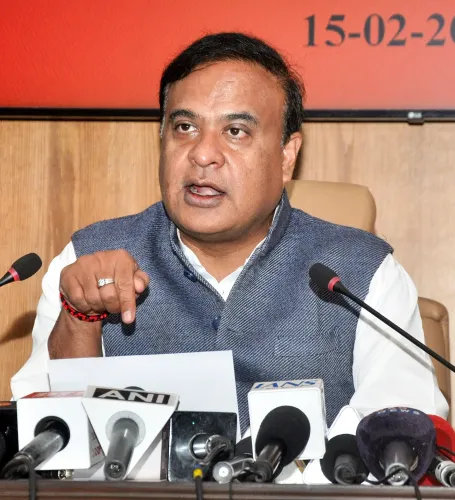
CM Himanta dismisses Assam electricity tariff hike fears
Synopsis
Assam CM Himanta Biswa Sarma's office has clarified that no major electricity tariff hike is planned. A minimal 4-5 paise per unit temporary adjustment for three months is linked to global fuel price volatility from the West Asia conflict, with a rollback commitment once prices stabilise.
Key Takeaways
No major tariff hike: The Chief Minister's Office of Assam categorically denied reports of a large electricity tariff increase.
Minimal adjustment: The actual change is 4–5 paise per unit — a fraction of a rupee — effective for three months only .
Global trigger: The measure is directly linked to rising fuel costs driven by the West Asia conflict affecting international energy markets.
Rollback committed: The government has explicitly stated the adjustment will be reversed once global fuel prices stabilise.
Standard regulatory tool: Temporary fuel cost adjustments of this nature are an established mechanism used by Indian state electricity regulators during periods of global energy price volatility.
Watch the AERC: The formal order from the Assam Electricity Regulatory Commission will set the legal timeline and terms for the rollback.
A minor, temporary electricity cost adjustment — not the sweeping tariff hike that rumours had suggested — is what Assam consumers will actually face, Chief Minister Dr. Himanta Biswa Sarma's office confirmed on Tuesday, November 3, 2026. The clarification, issued amid public anxiety over energy bills, pins the measure squarely on global fuel price volatility triggered by the ongoing West Asia conflict.
What the adjustment actually means for your electricity bill
The Chief Minister's Office stated that the increase amounts to just 4–5 paise per unit — a fraction of a rupee — and will remain in place for three months only, with an explicit commitment to roll it back once global fuel prices stabilise. At typical household consumption levels, the real-world impact on a monthly bill would be minimal. The office was emphatic: 'reports of a major electricity tariff hike are unfounded.'
The framing is deliberate. By naming both the cause (international fuel costs) and the exit condition (stabilisation of the global situation), the government is trying to separate a short-term input-cost pass-through from a structural tariff revision — two very different things that tend to get conflated in public discourse.
West Asia conflict and the ripple into India's power sector
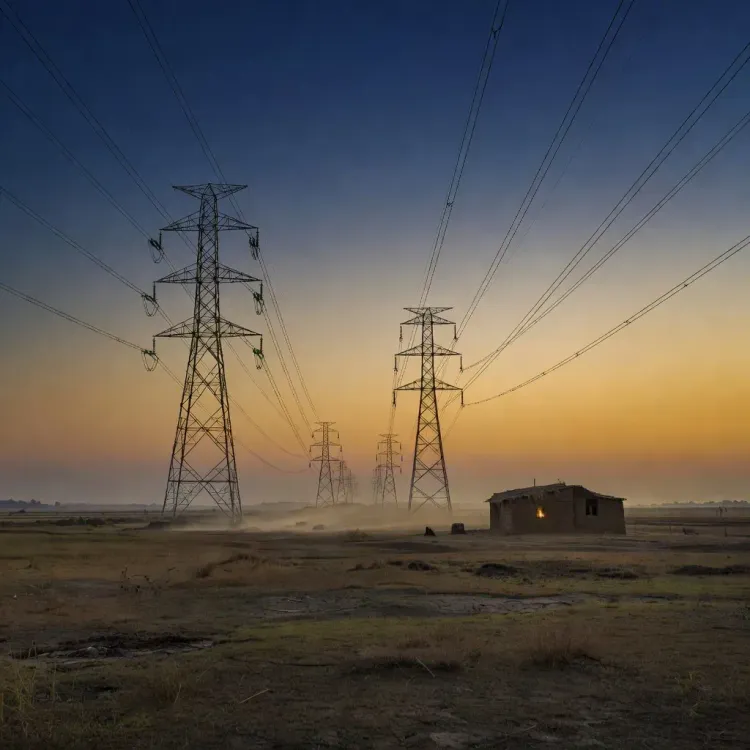
Rising crude oil and fuel prices driven by geopolitical tensions in West Asia have pushed up the cost of fuel used in power generation across India. Indian state electricity regulators have a well-established precedent for handling exactly this scenario: temporary fuel cost adjustment surcharges, last deployed widely during the global energy price spike of 2022, allow utilities to recover short-term input cost increases without triggering a full tariff revision process.
The mechanism is a standard regulatory tool — not an emergency measure, and not a signal of broader power-sector stress. It preserves the integrity of the long-term tariff structure while giving state utilities a short-term buffer.
The Assam Electricity Regulatory Commission's next move
What consumers and market watchers should now track is the formal order from the Assam Electricity Regulatory Commission (AERC), which would give the adjustment legal weight and set the precise timeline for its rollback. The government's public commitment to reversibility creates a political accountability trigger: if the three-month window closes and bills do not return to prior levels, the clarification itself becomes the standard by which the administration is judged.
For CM Himanta Biswa Sarma, the messaging move is as much about optics as policy — getting ahead of a misinformation cycle before it hardens into public grievance is increasingly a core function of modern state-level governance communications.
Three months, 4–5 paise, one global conflict. The clock is already running.
Point of View
Verifiable cause — the West Asia conflict — CM Himanta Biswa Sarma insulates the decision from being read as a revenue-driven move ahead of any electoral cycle. The explicit rollback commitment, however, sets a measurable accountability benchmark: if the AERC does not reverse the charge after three months, the clarification itself becomes the opposition's most effective weapon. This episode also underscores a recurring structural tension in India's federalised power sector, where state utilities absorb global commodity shocks but must manage the political fallout locally.
NationPress
3 Nov 2026
Frequently Asked Questions
Is Assam increasing electricity tariffs in 2026?
Not in the way widely reported. The Assam government has clarified that only a small, temporary adjustment of 4–5 paise per unit will apply for three months, linked to rising global fuel prices from the West Asia conflict. There is no major permanent tariff hike.
Why is Assam's electricity cost going up temporarily?
The Chief Minister's Office stated the adjustment is due to rising global fuel prices driven by the ongoing West Asia conflict, which has increased the cost of fuel used in power generation.
How long will the Assam electricity price increase last?
The adjustment is for three months only. The government has committed to rolling it back once the global fuel price situation stabilises.
What is 4–5 paise per unit in real bill terms?
It is a very small amount — less than one-twentieth of a rupee per unit consumed. For a typical household using 200 units a month, the additional cost would be roughly 8–10 rupees over three months.
What is the Assam Electricity Regulatory Commission's role in this?
The AERC is the statutory body that would issue the formal order ratifying the temporary fuel cost adjustment and setting its legal timeline, including the rollback conditions.