Assam CM clears 638 hectares in 3-district eviction drive

Synopsis
Assam CM Himanta Biswa Sarma has announced that coordinated eviction drives across three districts cleared encroachments on 638 hectares of public and forest land. The operations reflect the state's sustained push to enforce land revenue laws and protect indigenous land rights amid long-standing demographic pressures in the Northeast.
Key Takeaways
638 hectares of encroached land has been cleared through eviction drives announced by the Chief Minister's Office of Assam .
The drives were conducted simultaneously across three districts , signalling a coordinated, state-directed operation.
CM Himanta Biswa Sarma , in office since May 2021 , has intensified eviction drives as part of efforts to protect indigenous land rights.
Operations typically involve coordination between revenue, forest, and police departments across affected districts.
Rehabilitation of displaced persons and potential court challenges remain key variables to watch following the drives.
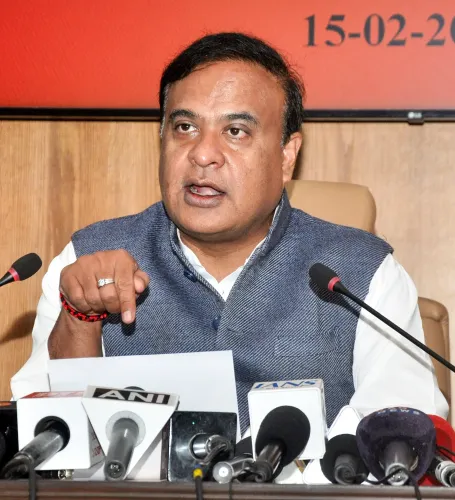
Six hundred and thirty-eight hectares of encroached land — reclaimed. The Chief Minister's Office of Assam announced on Wednesday, 21 October 2026 that coordinated eviction drives across three districts have cleared unauthorized occupations on that scale, with Chief Minister Himanta Biswa Sarma confirming the figures.
What 638 hectares actually means on the ground
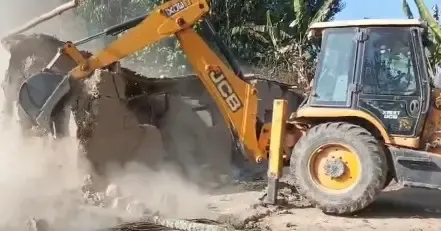
To put the number in perspective: 638 hectares is roughly the area of nearly 900 standard football pitches. These are not paper clearances — eviction drives in Assam involve boots on the ground: revenue officers, forest department personnel, and police working in coordinated teams to physically vacate illegally occupied public and forest land. The operations span multiple departments and, in a state where land pressure is acute, each hectare reclaimed carries real administrative and political weight.
Assam's long campaign to reclaim public and forest land
Assam has run periodic eviction campaigns for decades, but the frequency and scale of drives have intensified significantly since CM Himanta Biswa Sarma took office in May 2021. The drives are rooted in the enforcement of state land revenue laws and forest protection statutes, and they consistently target unauthorized settlements on government-owned and forest-classified land.
The political backdrop matters. The Northeast has faced long-standing demographic pressures — population movement, agricultural encroachment, and competition over scarce river-plain land — that successive state governments have struggled to manage. Sarma's administration has framed these eviction operations explicitly as a defence of indigenous land rights, arguing that uncontrolled encroachment displaces communities with legitimate historical claims to Assam's land.
Three districts, one coordinated push
Operations spanning three districts simultaneously signal a coordinated, state-directed push rather than isolated local actions. Multi-district drives require advance planning between district collectors, forest range officers, and police superintendents — the kind of administrative bandwidth that signals political priority at the top.
The drives place two sets of interests in direct tension: the state's obligation to protect public land and indigenous rights on one side, and the welfare of those displaced — many of whom may have lived on encroached land for years — on the other. Rehabilitation measures for affected families, and any legal challenges that follow, will determine how this chapter closes.
Eyes on the courts and the remaining districts
Eviction drives of this magnitude rarely end without legal skirmishes. Court challenges — in Gauhati High Court and, occasionally, before the Supreme Court — have paused previous operations and forced the state to demonstrate compliance with due process. Whether the current round faces similar judicial scrutiny will be the key variable to watch in the weeks ahead.
With 638 hectares cleared across three districts, the question the state government now faces is whether the numbers hold — or whether temporary clearance gives way to fresh encroachment, as has happened in previous cycles. The administration's answer to that question will define whether this drive is a durable shift or a headline moment.
Point of View
These drives serve a dual purpose: demonstrating state capacity and sending a strong signal on demographic and land-rights anxieties that run deep in Assam's electorate. The harder question, however, is sustainability — previous eviction cycles in Assam have seen re-encroachment once administrative attention moves on. Whether this round is paired with durable land management and credible rehabilitation will determine its long-term significance.
NationPress
21 Oct 2026
Frequently Asked Questions
What is the Assam eviction drive about?
The Assam government has conducted coordinated eviction drives across three districts to clear unauthorized occupations on public and forest land, reclaiming a total of 638 hectares as announced by CM Himanta Biswa Sarma.
Which districts were covered in the Assam eviction drive in 2026?
The Chief Minister's Office stated that the drives covered three districts, but the specific names of the districts have not been confirmed in the official announcement.
Who is conducting the eviction drives in Assam?
The drives are being conducted under the direction of the Assam state government led by CM Himanta Biswa Sarma, with coordinated operations involving revenue, forest, and police departments.
Why does Assam carry out eviction drives?
Assam conducts eviction drives to enforce state land revenue and forest protection laws, reclaim encroached public land, and protect the land rights of indigenous communities who face pressure from unauthorised settlements.
Can eviction drives in Assam be challenged in court?
Yes, previous eviction drives in Assam have faced legal challenges in the Gauhati High Court and the Supreme Court, where courts have scrutinised due process compliance and, in some cases, stayed operations.