Assam CM Launches Drug Disposal Drive, Narcotics Worth Rs 472 Cr Destroyed
Synopsis
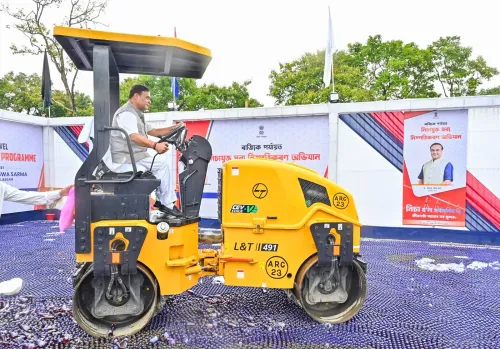
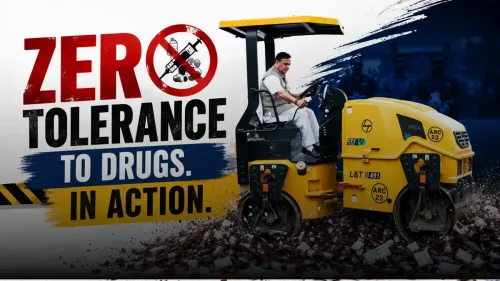
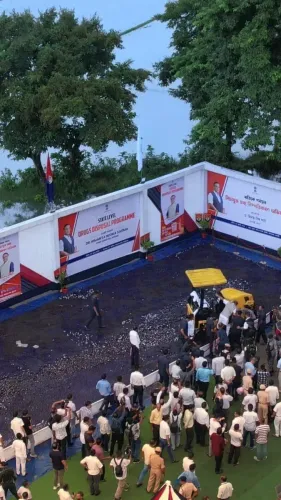
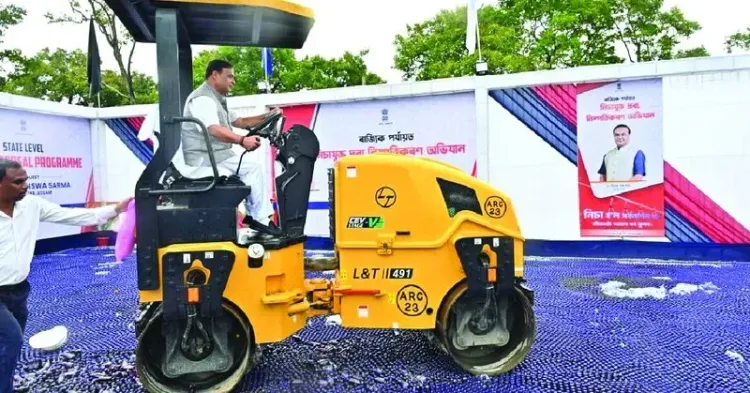
Assam Chief Minister Himanta Biswa Sarma launched a statewide drug disposal campaign on 13 July 2026 at Doulashal, destroying narcotics valued at Rs 472 crore under the NDPS Act framework, reinforcing the state's sustained anti-trafficking drive along sensitive northeastern border corridors.
Key Takeaways
The Chief Minister's Office of Assam announced a statewide drug disposal drive on 13 July 2026 , launched at Doulashal .
Chief Minister Himanta Biswa Sarma led the campaign, which targets the destruction of narcotics with a declared value of Rs 472 crore .
The destruction is conducted under the NDPS Act, 1985 (amended 2014), which mandates judicial sanction and strict chain-of-custody protocols before disposal.
Assam borders Myanmar and Bhutan , making it a key node on cross-border drug trafficking routes in Northeast India .
The statewide scale of the drive signals a systemic enforcement push, with potential coordination with the Narcotics Control Bureau expected in subsequent phases.
Public destruction events serve as both a legal compliance measure and a deterrent signal to trafficking networks operating in the region.
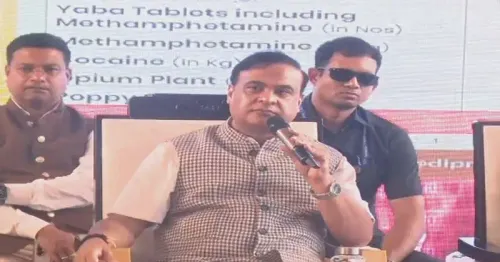
The Chief Minister's Office of Assam announced on Monday, 13 July 2026 that the state has launched a statewide drug disposal campaign, with narcotics valued at approximately Rs 472 crore slated for destruction in the drive initiated at Doulashal. Chief Minister Himanta Biswa Sarma led the campaign, underscoring the state government's sustained push against drug trafficking in the northeastern region.
Context
Assam sits at a strategically sensitive crossroads in Northeast India, sharing borders with Myanmar and Bhutan — two corridors historically associated with cross-border narcotics flows. Seized drugs accumulate in state custody over months and years, and their periodic destruction is both a legal obligation and a public deterrent signal. The 13 July 2026 campaign at Doulashal represents one of the largest such disposal events the state has publicised in recent memory, with the declared market value of the destroyed contraband running into hundreds of crores.
The destruction of seized narcotics is mandated under the Narcotic Drugs and Psychotropic Substances (NDPS) Act, 1985, as tightened by the 2014 amendment, which introduced stricter protocols for the storage, handling and court-sanctioned disposal of confiscated substances to prevent their diversion or recirculation into the supply chain.
Policy Backdrop
The NDPS Act requires state governments to obtain judicial sanction before destroying seized narcotics, ensuring an auditable chain of custody from seizure to disposal. Northeastern states have periodically conducted such destruction drives in coordination with central agencies, including the Narcotics Control Bureau (NCB), as part of a broader national framework to choke supply routes that feed both domestic consumption and onward trafficking.
Since Chief Minister Himanta Biswa Sarma took office in May 2021, Assam has pursued an aggressive law-enforcement posture on narcotics, with multiple high-profile seizures and public destruction events forming a visible strand of the administration's governance narrative. The statewide scale of the current campaign — covering multiple districts simultaneously — signals an intent to demonstrate systemic capacity rather than isolated enforcement action.
Stakeholders and Impact
The most direct beneficiaries of an effective drug disposal drive are border communities in Assam that have historically borne the social costs of narcotics availability — addiction, crime, and economic disruption. State police forces and district administrations are the primary operational actors, responsible for transporting, documenting and overseeing the physical destruction of the contraband.
For the broader enforcement ecosystem, a credible, large-scale disposal event reduces the risk of seized drugs being diverted from storage — a vulnerability that has plagued narcotics custody chains in several states. Publicising the Rs 472 crore valuation also serves as a measurable accountability marker for citizens and oversight bodies tracking the state's anti-narcotics record.
What's Next
Observers will watch for official announcements on subsequent phases of the destruction campaign, given its statewide character, as well as any formal coordination communiqués between the Assam government and the Narcotics Control Bureau. The campaign's outcome could also inform how other Northeastern states structure their own disposal timelines under the NDPS framework.
Should the state release district-wise data on quantities destroyed, it would provide a granular picture of which trafficking corridors remain most active — intelligence that carries direct implications for future border-security deployments and inter-agency operations in the region.
Point of View
Sustained visibility on narcotics enforcement has been a defining governance signal since 2021, positioning Assam as a proactive state within the broader national security framework. The statewide character of this campaign, rather than a single-district event, suggests an attempt to demonstrate institutional depth and scalability. Whether the momentum translates into measurable reductions in trafficking flows along the Myanmar and Bhutan corridors will be the harder test that follows the headline.
NationPress
13 Jul 2026
Frequently Asked Questions
What is the Assam drug disposal drive launched in July 2026?
The Assam government launched a statewide drug disposal campaign on 13 July 2026 at Doulashal, led by Chief Minister Himanta Biswa Sarma, to destroy seized narcotics worth approximately Rs 472 crore under the NDPS Act framework.
How much were the drugs destroyed in Assam's 2026 campaign worth?
The narcotics destroyed in Assam's July 2026 disposal drive were valued at Rs 472 crore, making it one of the largest publicly declared destruction events in the state's recent enforcement history.
Under which law can states destroy seized narcotics in India?
States destroy seized narcotics under the Narcotic Drugs and Psychotropic Substances (NDPS) Act, 1985, as amended in 2014, which requires judicial sanction and strict documentation before any disposal can take place.
Why is Assam a major focus for anti-narcotics drives in India?
Assam shares borders with Myanmar and Bhutan, which are key nodes on cross-border drug trafficking routes into Northeast India, making the state a critical battleground in national narcotics enforcement efforts.
What role does the Narcotics Control Bureau play in Assam's drug disposal?
The Narcotics Control Bureau, a central agency, coordinates with state police forces in Northeastern states on anti-trafficking operations and drug disposal protocols, though formal coordination announcements for this specific campaign are awaited.