CM Office Assam highlights rare Rajeswar Singha Gold Mohur
Synopsis
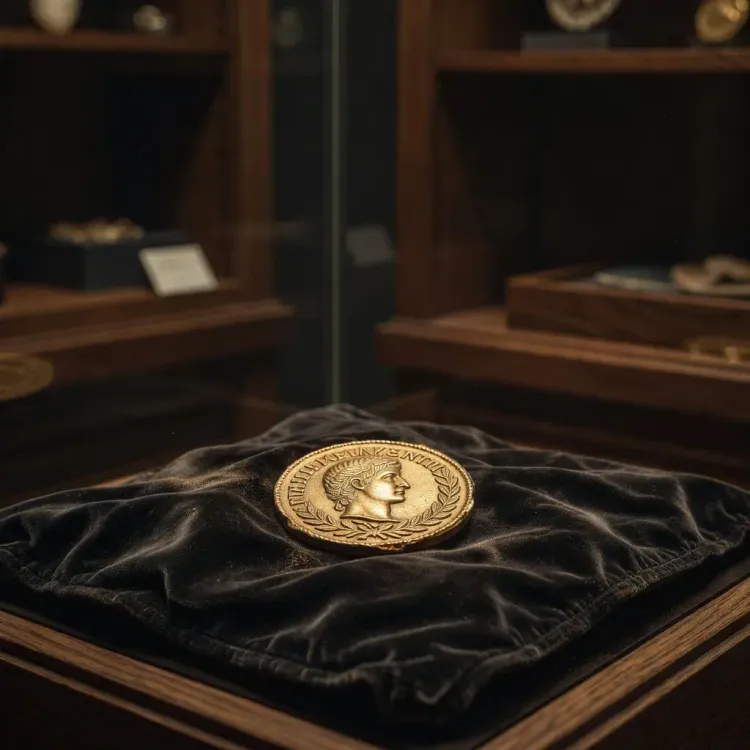
The Chief Minister's Office of Assam spotlighted a rare Gold Mohur from Ahom king Rajeswar Singha's reign (1751–1769), calling it a symbol of the state's historical and cultural legacy. The post reflects Assam's ongoing effort to promote Ahom-era heritage through official channels.
Key Takeaways
The Chief Minister's Office of Assam shared a rare Gold Mohur from the reign of Ahom king Rajeswar Singha on 20 June 2026 .
Rajeswar Singha ruled the Ahom kingdom from 1751 to 1769 and maintained a formal coinage system.
The Ahom dynasty governed Assam for nearly six centuries (1228–1826) , making it one of India's longest-ruling pre-colonial dynasties.
The Assam State Museum , established in 1940 , is the primary institutional custodian of Ahom-period coins and artifacts.
The post is part of a broader state pattern of using official social media to reinforce Assam's cultural identity and support heritage tourism.
Possible future announcements on museum galleries, coin exhibitions, or Ahom heritage circuits around Sivasagar may follow.
The Chief Minister's Office of Assam on Saturday, 20 June 2026 spotlighted a rare Gold Mohur from the reign of Ahom king Rajeswar Singha, describing it as 'a remarkable symbol of Assam's rich historical and cultural legacy.'
Context
Rajeswar Singha ruled the Ahom kingdom from 1751 to 1769, a period during which the dynasty maintained a sophisticated administrative and coinage system. Gold Mohurs issued under his reign are considered significant numismatic artifacts, reflecting the economic and political authority of the Ahom state at its late imperial peak.
The Ahom dynasty governed Assam for nearly six centuries, from 1228 to 1826, before the region came under British administration following the Treaty of Yandabo. Its material culture — including coins, manuscripts, and royal monuments — remains central to Assam's regional identity.
Policy Backdrop
State governments across India regularly use official social media channels to foreground regional heritage, and Assam has been consistent in this practice by periodically highlighting Ahom-era artifacts and sites. The Assam State Museum, established in 1940 in Guwahati, has long served as the primary repository for Ahom-period coins and objects, forming an institutional backbone for such public outreach.
Heritage sites associated with the Ahom period — particularly around Sivasagar, the former Ahom capital — have been the focus of ongoing conservation and tourism development efforts by the state government. Spotlighting individual artifacts through official channels is part of a broader effort to build public awareness of this pre-colonial legacy.
Stakeholders and Impact
The post is of direct interest to historians, numismatists, and heritage tourists who track Ahom material culture. For the wider public, it serves as a reminder of Assam's distinct pre-colonial political history, which predates and largely resisted Mughal expansion into the northeast.
Cultural diplomacy of this kind also supports the state's heritage tourism narrative, drawing attention to museum collections and archaeological sites that might otherwise remain known only to specialists. The reference to an external numismatic resource in the post signals an intent to reach audiences beyond the state's own institutional platforms.
What's Next
The highlighting of this artifact may signal renewed state interest in Ahom-period numismatic heritage ahead of possible announcements on museum gallery upgrades, coin exhibitions, or heritage tourism circuits centred on Sivasagar and allied sites. Observers of Assam's cultural policy will watch for any formal scheme or event linked to this renewed public emphasis on Ahom coinage.
Point of View
High-visibility cultural diplomacy move that fits a well-established pattern among Indian state governments. By anchoring the post in Rajeswar Singha's reign, the office connects contemporary Assam to a pre-colonial legacy that carries strong regional pride, particularly in the context of the northeast's distinct historical identity. This kind of heritage signalling often precedes or accompanies formal policy moves — museum investments, tourism circuits, or cultural festivals — making it worth watching for follow-through. The reference to an external numismatic platform also suggests an outward-facing audience strategy beyond the state's usual social media base.
NationPress
18 Sept 2026
Frequently Asked Questions
Who was Ahom king Rajeswar Singha?
Rajeswar Singha was an Ahom king who ruled Assam from 1751 to 1769 . He was part of the Ahom dynasty, which governed Assam for nearly six centuries and maintained a formal administrative and coinage system.
What is a Gold Mohur?
A Gold Mohur is a gold coin issued by Indian rulers as part of their royal coinage. In the Ahom context, such coins served as markers of sovereign authority and are now considered rare numismatic artifacts.
How long did the Ahom dynasty rule Assam?
The Ahom dynasty ruled Assam from 1228 to 1826 , a span of nearly six centuries, before British administration began following the Treaty of Yandabo.
Where can Ahom-period coins and artifacts be seen in Assam?
The Assam State Museum in Guwahati , established in 1940 , is the primary repository for Ahom-period coins and artifacts. Heritage sites around Sivasagar , the former Ahom capital, are also significant.
Why does the Assam government highlight Ahom heritage on social media?
State governments in India routinely use official social media to reinforce regional cultural identity and support heritage tourism. Assam's focus on Ahom-era material culture is part of this broader pattern, often linked to museum and tourism development efforts.