Guwahati Metro Rail: Assam to study feasibility along Ring Road, says CM Sarma
Synopsis
Assam's 2026-27 Budget has set the stage for what could become the state's first metro rail network — with CM Himanta Biswa Sarma announcing a feasibility study for a corridor along the Guwahati Ring Road. The study must still clear technical, financial, and operational hurdles before any shovels hit the ground, but the political signal is clear: Guwahati is being positioned for a mass transit leap.
Key Takeaways
Assam CM Himanta Biswa Sarma announced a feasibility study for a Guwahati metro rail system on 10 July 2026 .
The proposed metro corridor would run along the Guwahati Ring Road , a flagship state infrastructure project.
If implemented, it would be Assam's first mass rapid transit network .
The feasibility study will assess alignment, project cost, passenger demand, funding model, and execution strategy.
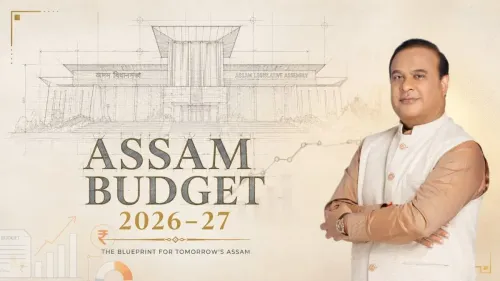
The announcement was made as part of the 2026-27 Assam state Budget , presented by Finance Minister Jayanta Mallabaruah .
No timeline or implementing agency for the feasibility study has been named yet.
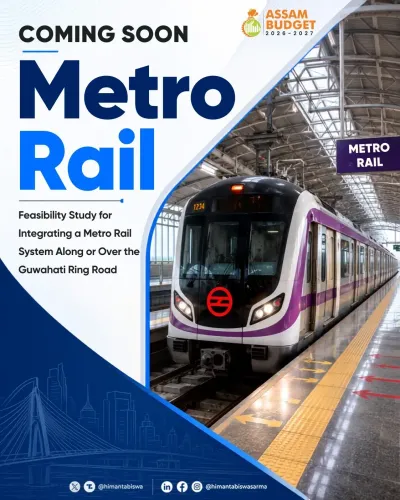
Assam Chief Minister Himanta Biswa Sarma on Friday, 10 July 2026 announced that the state government will commission a feasibility study for a metro rail system along the proposed Guwahati Ring Road — a significant urban mobility proposal unveiled in the 2026-27 Assam state Budget. If realised, the project would become the state's first mass rapid transit network.
What Was Announced
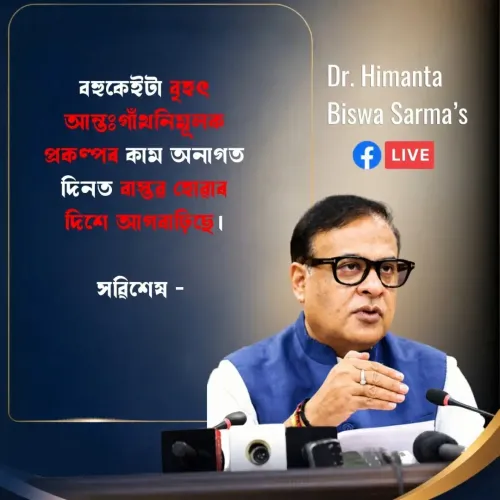
The announcement came shortly after Finance Minister Jayanta Mallabaruah presented the 2026-27 Budget in the Assam Legislative Assembly. Chief Minister Sarma shared the development on social media, stating: 'A new metro rail system will soon run along the stretch of Guwahati Ring Road to facilitate seamless travel and enhance ease of living. Feasibility studies will soon commence for this project.'
The Budget proposal earmarks a detailed feasibility examination covering the technical, financial, and operational viability of integrating a metro rail corridor along or above the Ring Road alignment.
Scope of the Feasibility Study
According to the Budget documents, the study will determine the most suitable corridor alignment, estimated project cost, projected passenger demand, funding model, and execution strategy. Only after these findings are reviewed will the government take a final call on proceeding with the metro rail project.
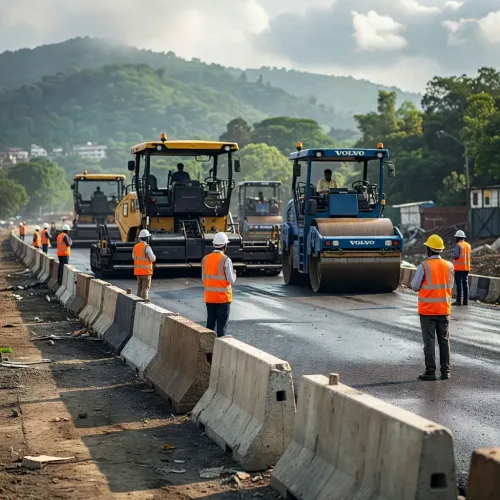
The proposed metro corridor is designed to complement the Guwahati Ring Road, itself a flagship infrastructure initiative aimed at decongesting the city centre by diverting through traffic to peripheral routes while improving connectivity to key urban and suburban zones.
Why Guwahati Needs Mass Transit
Guwahati has undergone rapid urbanisation over the past decade, accompanied by a steady and significant rise in vehicular traffic. The city currently lacks a mass rapid transit system, leaving residents heavily dependent on road-based transport. This comes amid broader pressure on Assam's urban infrastructure as the state's economy expands and its urban centres grow.
Notably, the 2026-27 Budget placed strong emphasis on infrastructure development, urban mobility, and long-term transport planning — signalling a strategic shift toward integrated public transport solutions for the state's largest city.
What Happens Next
The feasibility study is expected to commence in the near term, though no specific timeline or agency has been named yet. The study's outcome will determine whether the metro rail project advances to detailed project report (DPR) stage and eventual implementation. Urban planners and transport experts will be watching closely, as Guwahati's geography — marked by hills, wetlands, and the Brahmaputra riverfront — presents unique engineering challenges for any elevated or underground transit system.
The announcement marks a notable step in Assam's ambition to position Guwahati as a modern, sustainable metropolitan hub through integrated road and public transport networks.
Point of View
And the announcement fits a pattern of Budget-season infrastructure signalling that does not always translate into ground-level execution. The city's challenging terrain, including hills, wetlands, and the Brahmaputra floodplain, raises genuine engineering and cost questions that the feasibility study must answer honestly. The real test will be whether the study is commissioned promptly, conducted rigorously, and made public — or whether it quietly joins a shelf of unacted reports. Assam's urban growth trajectory makes the need real; the political will to follow through is what remains unproven.
NationPress
9 Oct 2026
Frequently Asked Questions
What is the Guwahati metro rail project announced in the Assam Budget?
It is a proposed mass rapid transit system planned along the Guwahati Ring Road, announced as part of the 2026-27 Assam state Budget. The government will first conduct a feasibility study before taking a final decision on implementation.
Why is a metro rail being proposed for Guwahati?
Guwahati has experienced rapid urbanisation and a significant rise in vehicular traffic over the past decade but lacks a mass rapid transit system. The metro is intended to ease congestion and improve urban mobility alongside the Ring Road project.
What will the feasibility study cover?
The study will examine the technical, financial, and operational viability of the metro corridor, including the most suitable alignment, estimated project cost, projected passenger demand, funding model, and execution strategy.
When will the feasibility study begin?
Chief Minister Sarma said the feasibility study will 'soon commence,' but no specific start date or implementing agency has been announced as of 10 July 2026.
Will this be Assam's first metro rail?
Yes. If implemented, the Guwahati metro rail would be Assam's first mass rapid transit network, marking a significant milestone in the state's public transport infrastructure.