Assam launches statewide Nijut Moina, Nijut Babu cheque distribution
Synopsis
The Chief Minister's Office of Assam announced a statewide ceremonial distribution of cheques under Nijut Moina and Nijut Babu Aasoni on October 15, 2026, with public representatives joining events across the state to deliver financial support directly to students pursuing education.
Key Takeaways
The Assam government launched a statewide cheque distribution on October 15, 2026 for students under two schemes.
Nijut Moina and Nijut Babu Aasoni both provide financial assistance to students to support educational aspirations.
Public representatives and distinguished guests are participating in ceremonial distribution events across Assam.
The rollout is simultaneous and state-spanning, not confined to a single district or city.
The programme reflects Assam's continued focus on direct-benefit transfers to address student dropout and enrollment barriers.
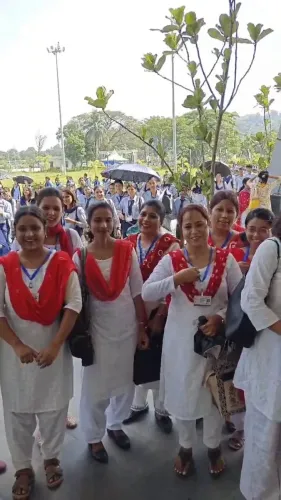
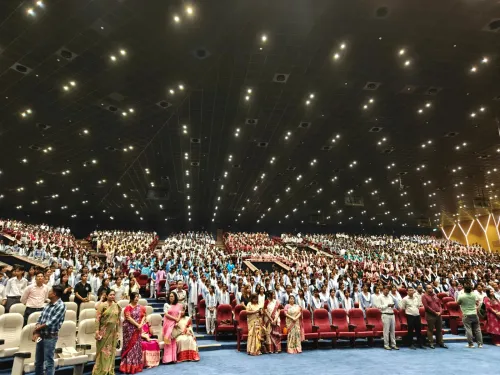
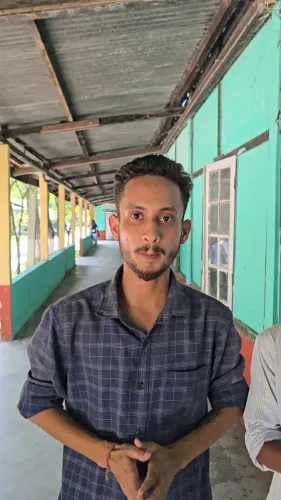
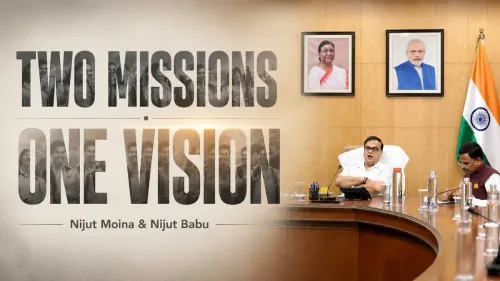
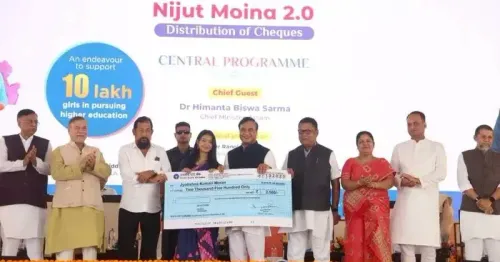
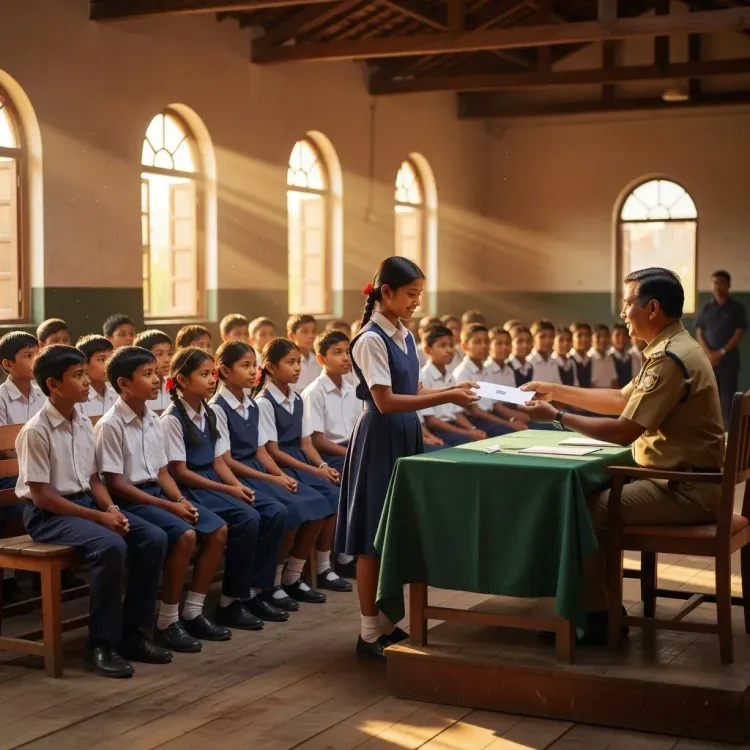
Across every corner of Assam on Thursday, October 15, 2026, public representatives and distinguished guests are joining ceremonial events to hand cheques to students under two of the state's education welfare schemes — Nijut Moina and Nijut Babu Aasoni — a simultaneous, state-spanning push to put financial support directly into young hands. The Chief Minister's Office of Assam announced the rollout, signalling that today's distribution is not a localised event but a coordinated, government-wide exercise.
What Nijut Moina and Nijut Babu Aasoni promise students
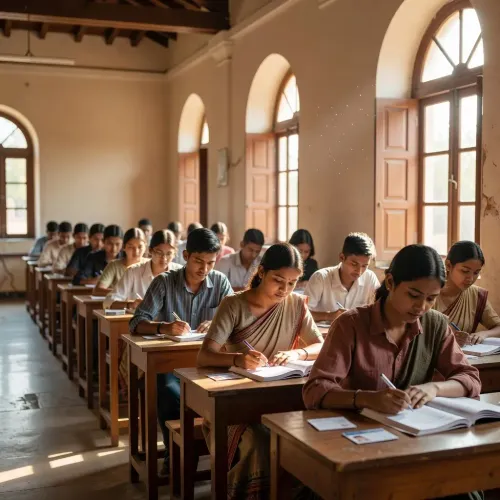
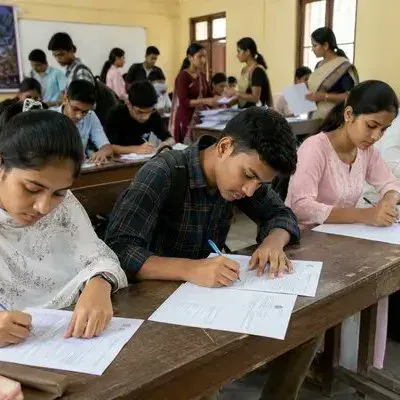
Both schemes are designed to address a fundamental barrier in Assam's education landscape: the financial squeeze that pushes students out of classrooms before they complete their studies. Nijut Moina targets students seeking financial assistance to pursue their educational aspirations, while Nijut Babu Aasoni extends a parallel stream of support — together forming a dual-track safety net for learners at risk of dropping out. The cheque-based distribution model creates a direct, visible transfer of state resources to beneficiaries, bypassing intermediaries.
Public representatives as delivery partners across Assam
The decision to involve local elected representatives and distinguished guests at distribution events is deliberate. Assam state governments have consistently used ceremonial direct-benefit events to reinforce political accountability at the grassroots — elected officials hand cheques to constituents, creating a visible link between governance and outcome. Today's simultaneous rollout across the state amplifies that effect, making the programme feel statewide rather than departmental. It also ensures that the reach extends to districts and towns where administrative delivery alone might falter.
Education welfare as a recurring state priority in Assam
Targeted financial assistance for school and college students has been a recurring feature of Assam's education policy, with successive governments using direct-benefit schemes to improve enrollment and retention — two metrics that have historically lagged in the state's rural and tea-garden belts. The pairing of two named schemes under a single distribution day suggests the current administration is consolidating its welfare education portfolio into high-visibility moments that can be tracked and communicated clearly. Whether today's disbursement translates into measurable enrollment gains will be the real test — one that the next academic cycle's data will answer.
Point of View
Statewide format of today's cheque distribution is a calculated governance signal — it frames welfare delivery as an administrative achievement rather than a routine bureaucratic transfer. By embedding elected representatives as visible partners, the Assam government ties political accountability directly to educational outcomes, a strategy that has proved durable across the state's political cycles. The dual-scheme design — Nijut Moina and Nijut Babu Aasoni running in parallel — suggests an effort to segment beneficiaries and widen coverage without merging into a single, harder-to-brand programme. The real measure of this approach will come when enrollment and retention data from the next academic year is available.
NationPress
15 Oct 2026
Frequently Asked Questions
What is Nijut Moina scheme in Assam?
Nijut Moina is an Assam government scheme that provides financial assistance to students to help them pursue their educational aspirations, delivered through direct benefit transfers including cheque distributions.
What is Nijut Babu Aasoni?
Nijut Babu Aasoni is another Assam state government scheme that extends financial support to students for their education, running alongside Nijut Moina as part of the state's student welfare portfolio.
Who is eligible for Nijut Moina and Nijut Babu Aasoni?
Both schemes target students in Assam seeking financial support for education. Exact eligibility criteria have not been officially confirmed in the October 2026 announcement.
When did Assam distribute cheques under Nijut Moina in 2026?
The Assam government conducted a statewide ceremonial cheque distribution under Nijut Moina and Nijut Babu Aasoni on October 15, 2026 , with events held simultaneously across the state.
How does Assam deliver financial aid to students under welfare schemes?
Assam uses ceremonial cheque distribution events involving local public representatives and officials to deliver direct financial benefits to students, ensuring visible and accountable transfer of state resources.