Goyal Pitches Mumbai as Gateway for Canadian Investment
Synopsis
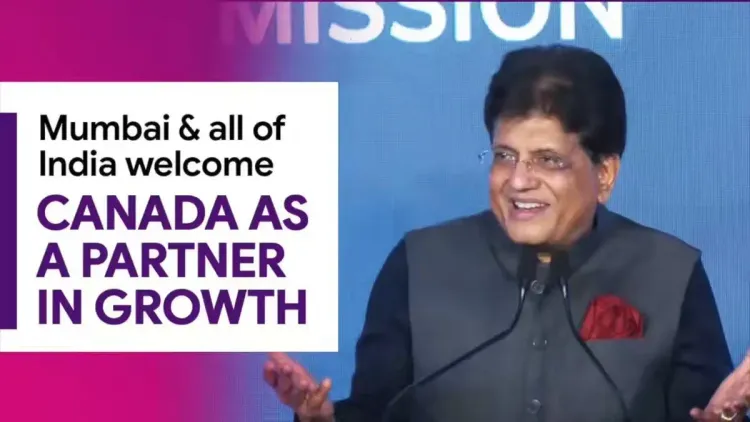
Commerce Minister Piyush Goyal invited Canadian businesses, investors, and innovators to partner with India on October 15, 2026, positioning Mumbai as the entry point for deeper bilateral economic ties as India-Canada CEPA talks remain in progress.
Key Takeaways
Piyush Goyal publicly welcomed Canadian businesses, investors, and innovators to India on October 15, 2026 .
Mumbai was specifically named as India's commercial gateway for the partnership appeal.
India and Canada have been negotiating a Comprehensive Economic Partnership Agreement (CEPA) since the early 2010s, with talks resuming in 2022 .
Existing bilateral cooperation covers education, energy, and agriculture — sectors where Canadian expertise aligns with Indian demand.
A large Indian diaspora in Canada provides a natural foundation for deeper trade and investment flows.
Follow-on investment commitments or a fresh CEPA negotiation round are the key developments to watch.
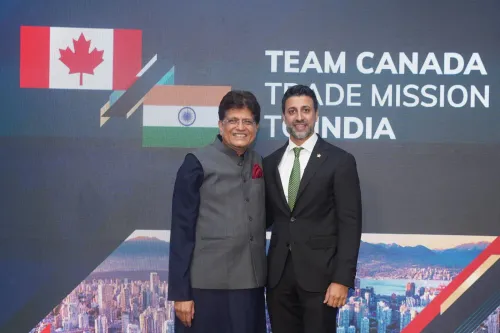
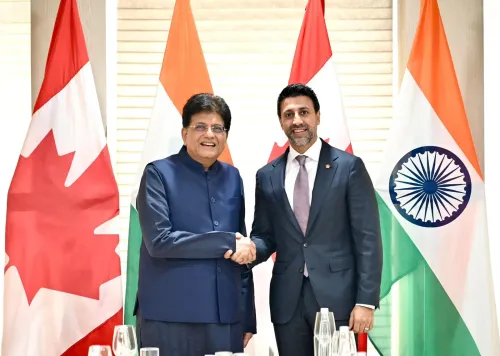
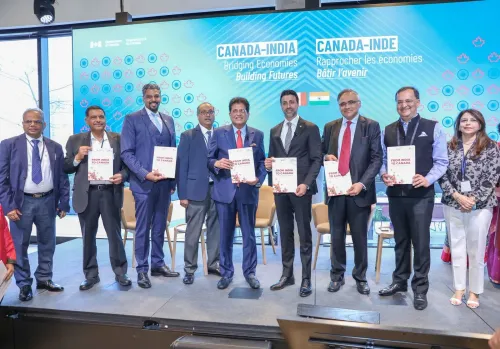
India is rolling out the welcome mat — and this time, it is pointed squarely at Canada. Union Commerce and Industry Minister Piyush Goyal on Thursday, October 15, 2026, extended a direct invitation to Canadian businesses, investors, and innovators, declaring that Mumbai and all of India stand ready to build partnerships that benefit both nations.
Mumbai as the Opening Pitch
Goyal's call to action — 'Mumbai and all of India welcome Canadian businesses, investors, innovators... Let us build partnerships that benefit both nations' — frames India's commercial capital as the natural landing pad for Canadian capital and technology. The message is both symbolic and strategic: Mumbai is India's financial nerve centre, home to its stock exchanges, its largest port, and the headquarters of dozens of blue-chip conglomerates. Positioning it front and centre signals that India is not just open to trade on paper, but ready to deal in the room where money actually moves.
A Trade Relationship Still Looking for Its Ceiling
The India-Canada economic relationship carries genuine weight even before any new commitments. Canada is home to one of the world's largest Indian diaspora communities, a natural bridge for commerce, talent, and investment flows. The two countries have been in discussions on a Comprehensive Economic Partnership Agreement (CEPA) since the early 2010s, with negotiations resuming in 2022 after a long hiatus. Cooperation already spans education, energy, and agriculture — sectors where Canadian expertise and Indian scale make for a compelling fit.
Periodic diplomatic friction has tested the relationship, but trade engagement has continued to move on its own track. Goyal's statement is a pointed signal that New Delhi intends to keep the economic lane open regardless of political weather.
India's Broader Investment Push
This outreach to Canadian stakeholders sits within a wider strategic pattern. India has systematically courted foreign direct investment and technology partnerships from developed economies as a pillar of its growth strategy. Whether it is semiconductors, green energy, or financial services, the pitch from South Block has been consistent: large market, young workforce, improving infrastructure, and a government that says it means business. Goyal, as the minister who steers both commerce and industry policy, is the natural face of that pitch.
The watch item now is what follows the statement — whether investment commitments, a fresh timeline on CEPA negotiations, or sector-specific announcements emerge from this engagement. Warm words from a commerce minister matter most when they come with a deal sheet attached.
Point of View
This could mark a genuine inflection in a trade relationship that has long punched below its weight relative to the size of both economies and the depth of diaspora ties.
NationPress
15 Oct 2026
Frequently Asked Questions
What did Piyush Goyal say about Canada?
Goyal stated that Mumbai and all of India welcome Canadian businesses, investors, and innovators, calling for partnerships that benefit both nations.
What is the India-Canada CEPA?
The Comprehensive Economic Partnership Agreement is a broad free-trade and investment deal that India and Canada have been negotiating since the early 2010s, with talks resuming in 2022.
Why is Mumbai significant for India-Canada trade?
Mumbai is India's financial capital, housing its major stock exchanges, leading port, and the headquarters of large corporations, making it the natural hub for foreign investment discussions.
How strong are India-Canada economic ties?
The two countries have cooperation across education, energy, and agriculture, supported by one of the world's largest Indian diaspora communities in Canada, though a comprehensive trade deal has yet to be finalised.
What should we watch after Goyal's invitation to Canadian investors?
Key follow-ups include any announced investment commitments, a fresh timeline or round for CEPA negotiations, and sector-specific partnership announcements.