CM Himanta's Assam Police Seizes Heroin Worth ₹2.47 Crore
Synopsis
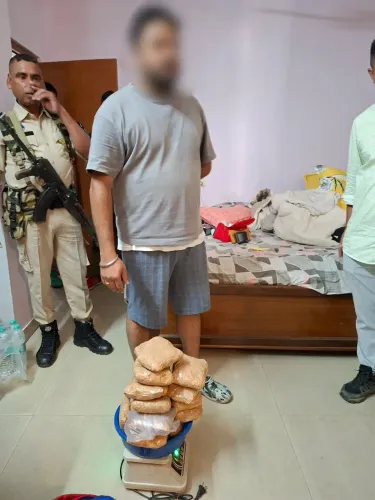
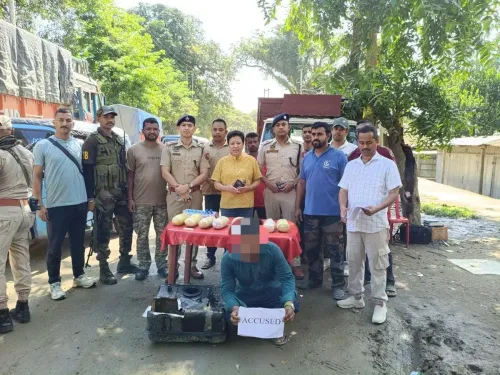
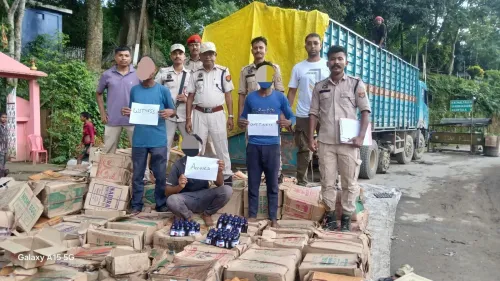
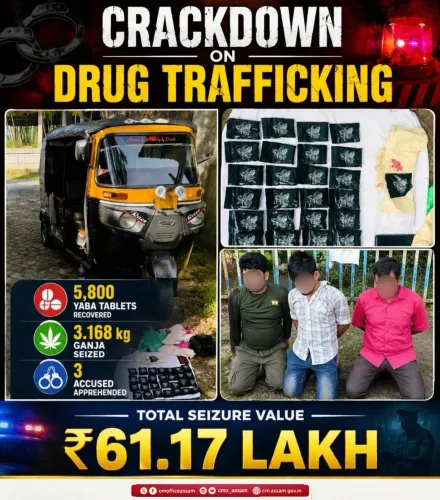
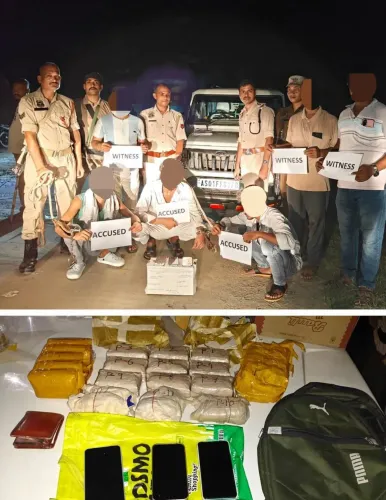
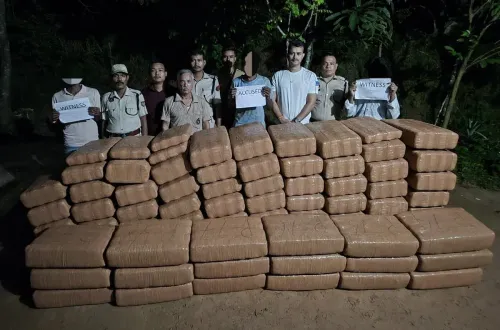
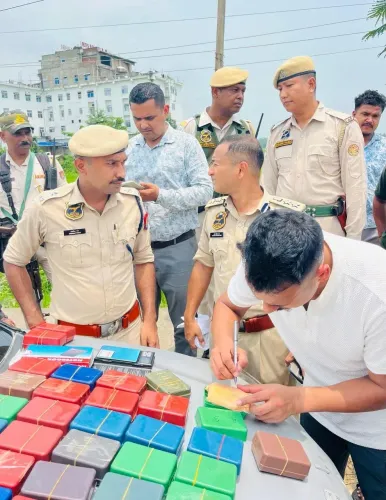
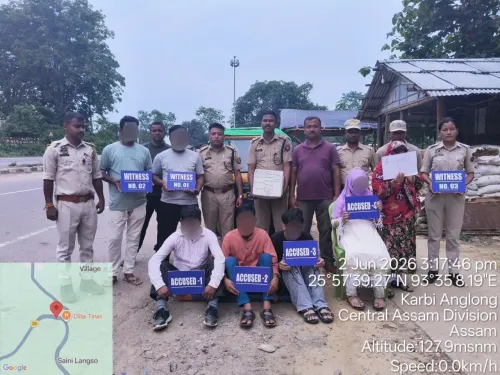
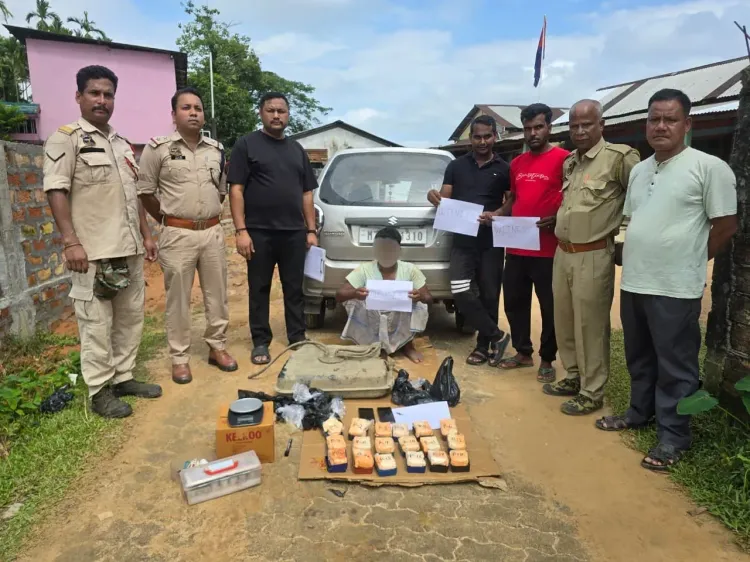
Sribhumi Police in Assam seized heroin worth ₹2.47 crore and arrested one person in a targeted operation, Chief Minister Himanta Biswa Sarma announced on June 16, 2026, reaffirming the state's zero-tolerance stance on drug trafficking under the #AssamAgainstDrugs campaign.
Key Takeaways
Sribhumi Police seized heroin valued at ₹2.47 crore in a successful anti-narcotics operation.
One accused has been apprehended and is expected to face prosecution under the NDPS Act, 1985 .
Chief Minister Himanta Biswa Sarma announced the operation on June 16, 2026 , calling it part of an ongoing fight against the drug menace.
Assam lies along trafficking corridors connected to Myanmar and the Golden Triangle , making heroin interdiction a persistent enforcement priority.
The operation falls under the state's #AssamAgainstDrugs campaign, a sustained public communication and enforcement initiative since 2021.
Assam Chief Minister Himanta Biswa Sarma on Tuesday, June 16, 2026, highlighted a major anti-narcotics success, announcing that Sribhumi Police seized heroin worth ₹2.47 crore and arrested one accused in a targeted operation. The Chief Minister credited the Assam Police's vigilance, stating that 'no chamber is secret enough' for the state's law-enforcement machinery.
Context
Sribhumi, a district in Assam, is among the state's active enforcement zones as authorities intensify their crackdown on drug networks. The seizure underscores the continuing pressure Assam Police is applying on trafficking channels operating through the state. One accused has been apprehended in connection with the haul, and the case is expected to be prosecuted under the Narcotic Drugs and Psychotropic Substances (NDPS) Act, 1985, the central legal framework governing such offences across India.
Policy Backdrop
Since assuming office in 2021, Chief Minister Sarma's administration has maintained a publicly stated zero-tolerance stance on drug trafficking, backing it with intensified border checks, district-level drives, and regular police operations. Assam sits along trafficking corridors linked to Myanmar and the broader Golden Triangle region, making heroin a persistent law-and-order and public-health challenge for successive state governments. The #AssamAgainstDrugs campaign, under which this operation was flagged, has become a consistent communication thread for the Sarma government to signal enforcement momentum to the public.
The NDPS Act empowers state police to conduct searches, seizures, and arrests without prior warrant in specific circumstances, giving district units like Sribhumi Police significant operational latitude. Convictions under the Act for commercial quantities of heroin can carry sentences ranging from ten years to life imprisonment, reflecting the seriousness with which the law treats large-scale trafficking.
Stakeholders and Impact
Assam's youth and communities in border districts bear the most direct consequences of drug availability, and enforcement actions of this scale are intended to disrupt supply chains before narcotics reach street-level distribution networks. For Sribhumi district residents, the seizure signals active policing in an area that authorities have identified as vulnerable to trafficking activity. The arrested accused faces prosecution that, if resulting in conviction for a commercial-quantity offence, carries severe mandatory minimum sentences under the NDPS framework.
At the political level, Chief Minister Sarma's prompt social-media announcement serves to reinforce the administration's governance narrative around law enforcement, a theme that has featured prominently in BJP-led state governments across the North-East. As convenor of the North-East Democratic Alliance (NEDA), Sarma's anti-drug messaging also carries a regional signal to alliance partners and neighbouring state administrations.
What's Next
Assam Police is expected to file a charge-sheet against the arrested accused under the NDPS Act, with the case proceeding through a designated special court. Authorities typically follow large seizures with intelligence-led follow-up operations to map supplier networks, and further arrests in connected cases remain possible. Quarterly seizure data released by Assam Police will offer a clearer picture of whether the state's cumulative enforcement figures for 2026 are tracking ahead of previous years. Any new district-level anti-narcotics cells or legislative proposals tabled in the Assam Legislative Assembly would indicate whether the government plans to deepen its institutional response beyond operational policing.
Point of View
Sustained enforcement pattern that the Sarma administration has cultivated since 2021 as a signature governance issue. By personally amplifying district-level operations on social media, the Chief Minister keeps anti-drug enforcement visible as a political deliverable, not merely a law-and-order routine. Assam's geographic exposure to Golden Triangle trafficking routes means the state faces a structural challenge that policing alone cannot resolve, raising questions about complementary demand-reduction and rehabilitation investment. The frequency and scale of such announcements will be tested against cumulative seizure and conviction data when the Assam Assembly's next session reviews home-department performance.
NationPress
19 Sept 2026
Frequently Asked Questions
What was seized in the Sribhumi Police drug operation in Assam?
Sribhumi Police seized heroin worth ₹2.47 crore and arrested one accused in the operation announced on June 16, 2026.
What is the #AssamAgainstDrugs campaign?
#AssamAgainstDrugs is a sustained anti-narcotics initiative by the Assam government under Chief Minister Himanta Biswa Sarma, launched after he took office in 2021, involving intensified police drives, border checks, and public communication around drug seizures.
Why is Assam a hotspot for heroin trafficking?
Assam lies along trafficking corridors linked to Myanmar and the Golden Triangle region, making it a transit and destination zone for heroin and other narcotics entering India from the east.
What law applies to heroin seizures in India?
The Narcotic Drugs and Psychotropic Substances (NDPS) Act, 1985 is the central legal framework; conviction for commercial-quantity heroin offences can carry sentences from ten years to life imprisonment.
Who is Himanta Biswa Sarma?
Himanta Biswa Sarma is the Chief Minister of Assam since 2021 and a senior BJP leader who also serves as convenor of the North-East Democratic Alliance (NEDA) .