CM Himanta's Assam Revives Indigenous Betguti Rice in Dibrugarh
Synopsis
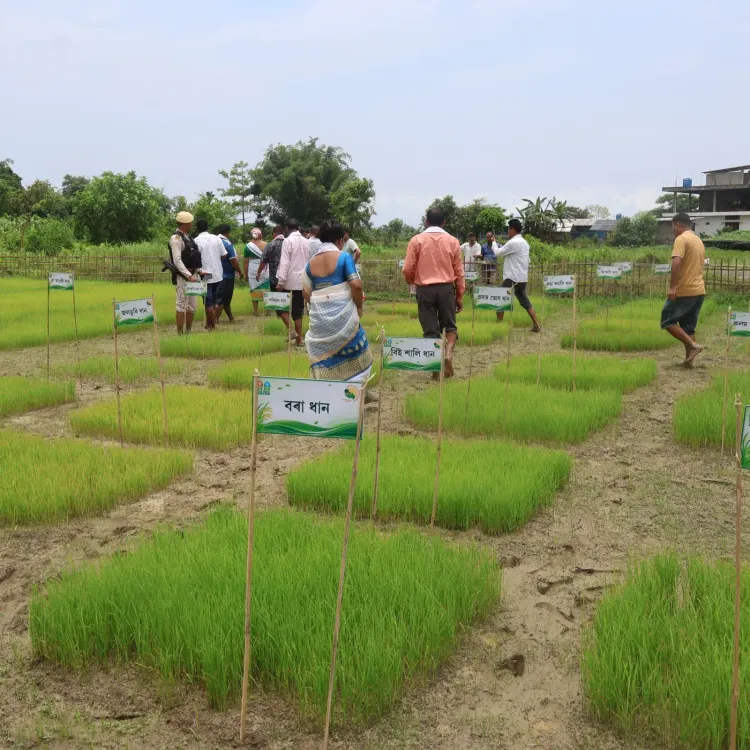
The Chief Minister's Office of Assam has announced the planting of indigenous Betguti rice at Borpathar, Dibrugarh, under a climate-smart paddy intercrop system. Sourced from 10 kg of seed from Titabor, the variety is now expanding alongside 27 traditional paddy varieties through women-led farming under CM Himanta Biswa Sarma's leadership.
Key Takeaways
The Chief Minister's Office of Assam announced the planting of indigenous Betguti rice at Borpathar, Dibrugarh on June 16, 2026 .
The Betguti variety was sourced from just 10 kg of seed obtained from Titabor in Jorhat district.
Betguti is now being cultivated alongside 27 traditional paddy varieties in a climate-smart intercrop system.
Women farmers are central to the initiative, which combines biodiversity conservation with climate-resilient farming.
The programme is implemented under the leadership of CM Dr.
Himanta Biswa Sarma in partnership with Assam Rural .
The effort aligns with Assam's longer policy push under APART (2018) to promote traditional and climate-resilient agriculture.
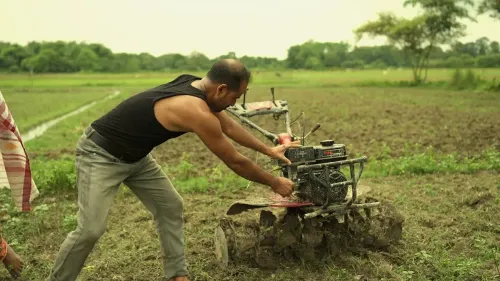
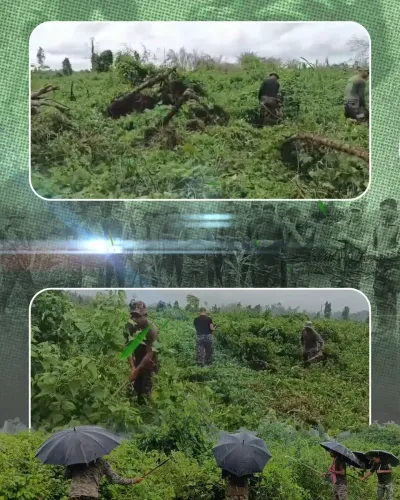
The Chief Minister's Office of Assam announced on Tuesday, June 16, 2026, that indigenous Betguti rice has been planted at Borpathar in Dibrugarh under a climate-smart paddy intercrop system, marking a significant step in the state's push to revive traditional agricultural heritage through women-led innovation.
Context
According to the post by the CMO, the Betguti variety — sourced from just 10 kg of seed obtained from Titabor — is now being cultivated alongside 27 traditional paddy varieties at Borpathar. The initiative is being carried out under the leadership of Chief Minister Dr. Himanta Biswa Sarma and involves the state's rural development department, Assam Rural. The effort combines biodiversity conservation with climate-resilient farming practices, with women farmers playing a central role in implementation.
Policy Backdrop
Assam's focus on agrobiodiversity is rooted in a longer policy lineage. The Assam Agribusiness and Rural Transformation Project (APART), launched in 2018 with World Bank support, laid the groundwork for promoting climate-resilient and traditional crop practices across districts in the state. The current Betguti revival builds on that foundation, aligning with national priorities around sustainable farming and agrobiodiversity conservation in Northeast India.
Indigenous rice varieties such as Betguti are prized for their adaptability to local agro-climatic conditions and their cultural significance to farming communities in Upper Assam. Climate-smart intercrop systems — where traditional varieties are grown alongside compatible crops — reduce dependence on chemical inputs and help buffer against erratic monsoon patterns increasingly affecting the region.
Stakeholders and Impact
Women farmers and traditional paddy growers stand at the centre of this initiative. Across Assam, women's collectives have increasingly been engaged in seed preservation and intercrop management, a model that simultaneously advances gender inclusion and ecological sustainability. Dibrugarh, historically known for tea cultivation and agriculture, provides a fitting backdrop for this revival effort.
The expansion of Betguti cultivation from a single 10 kg seed lot to a multi-variety cluster reflects the scalability potential of community-led seed conservation. By anchoring the programme in a specific village — Borpathar — and sourcing seeds from Titabor in Jorhat district, the state is building a traceable, localised seed supply chain for indigenous varieties.
What's Next
Agricultural observers will watch whether the Borpathar model is replicated across other Upper Assam districts, and whether the state integrates traditional variety clusters into its formal agriculture budget or upcoming state missions. The next assembly session could see allocations directed toward scaling such programmes, particularly as climate adaptation becomes a more pressing fiscal and policy priority in the Northeast. The convergence of women-led farming, indigenous seed conservation, and climate-smart techniques positions Assam as a potential model for other agrobiodiversity-rich states in India.
Point of View
Not merely a heritage exercise. By routing the programme through women's collectives and a traceable local seed chain, the Himanta Biswa Sarma government is aligning state action with both gender-inclusion mandates and national agrobiodiversity goals. The choice to publicise a village-level planting from the Chief Minister's Office itself suggests a political intent to brand Assam as a leader in sustainable Northeast agriculture. Whether this translates into sustained budget commitments or remains a symbolic gesture will be the real test in coming assembly sessions.
NationPress
21 Sept 2026
Frequently Asked Questions
What is Betguti rice and why is it significant in Assam?
Betguti is an indigenous paddy variety native to Assam, valued for its adaptability to local agro-climatic conditions and its cultural importance to traditional farming communities in Upper Assam. Its revival is part of broader efforts to conserve agrobiodiversity in the region.
Where is the Betguti rice being cultivated in Assam?
Betguti rice is being planted at Borpathar in Dibrugarh district , Upper Assam, as part of a climate-smart paddy intercrop system announced by the Chief Minister's Office on June 16, 2026.
How many traditional paddy varieties are being grown at Borpathar?
According to the Chief Minister's Office of Assam, Betguti is being cultivated alongside 27 traditional paddy varieties at the Borpathar site in Dibrugarh.
What is the role of women farmers in Assam's traditional rice revival?
Women farmers are central to the initiative, with the state leveraging women-led innovation and women's collectives for seed preservation, intercrop management, and on-ground implementation of climate-resilient farming practices.
What is the APART project and how does it relate to this initiative?
The Assam Agribusiness and Rural Transformation Project (APART) , launched in 2018 with World Bank support, promoted climate-resilient and traditional crop practices across Assam's districts. The current Betguti revival builds on that policy foundation.