Assam tea garden schools: 218 model schools, 40,734 students enrolled
Synopsis
Assam now has 218 Tea Garden Model Schools with over 40,000 children enrolled — a programme that began as a 2017-18 budget proposal and has quietly grown into one of India's larger community-specific education drives. CM Himanta Biswa Sarma's X post on the Ketela Tea Garden school puts the spotlight back on a long-running effort to use schooling as a lever for social mobility in one of Assam's most historically underserved communities.
Key Takeaways
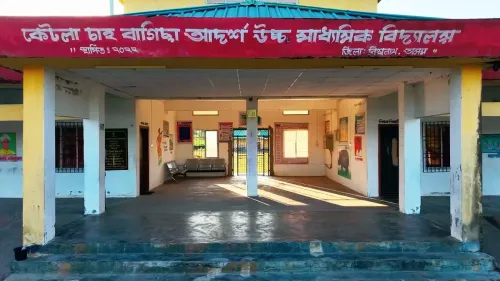
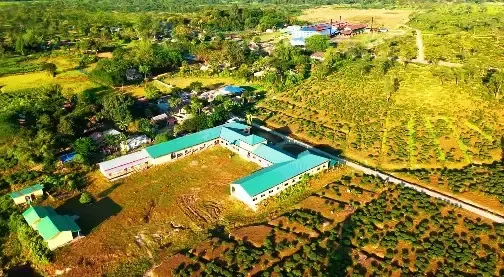
Assam CM Himanta Biswa Sarma highlighted the Tea Garden Model School programme on 21 November , citing the Ketela Tea Garden school in Biswanath district .
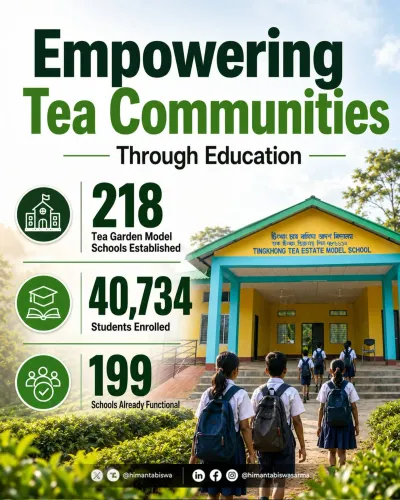
218 Tea Garden Model Schools have been established across Assam, with 199 functional and 40,734 students enrolled as of June 2026 .
The programme originated in the 2017-18 state Budget ; foundation stones for 118 schools were laid in November 2022 at a cost of ₹142.50 crore .
Free transport and escort facilities were launched in June 2026 , benefiting over 9,700 students across 198 schools in 11 districts .
The initiative targets historically high dropout rates in tea garden communities by combining infrastructure with attendance support measures.
Assam Chief Minister Himanta Biswa Sarma on Saturday, 21 November spotlighted the state government's drive to expand quality education in tea garden communities, pointing to the Model School at Ketela Tea Garden in Biswanath district as a flagship example of the ongoing initiative. According to state government figures, 218 Tea Garden Model Schools have been established across Assam, with 199 already operational and 40,734 students currently enrolled.
What the Chief Minister Said
Sarma shared his remarks in a post on X, underscoring the generational contribution of tea garden communities to Assam's global identity. 'Our tea garden families have worked for generations to put Assam on the world map. Their children deserve every chance to make their own mark. At Ketela Tea Garden in Biswanath, our model school brings that opportunity closer to home,' he said.
The statement reflects the government's framing of education as a tool for social mobility in a community that has historically faced significant barriers to quality secondary schooling.
Origins and Scale of the Programme
The proposal to set up 200 model schools across 800 tea estates was first introduced in the 2017-18 state Budget, when Sarma held the Finance Minister portfolio. The programme was subsequently scaled up, with the government commissioning model high schools designed to bring better educational infrastructure directly to tea garden clusters.
In November 2022, foundation stones for 118 schools were laid at an estimated cost of ₹142.50 crore. Those institutions were planned with modern classrooms, qualified teachers, and technology-enabled learning facilities.
Current Enrolment and Infrastructure
According to figures cited by the state government in June 2026, the total count of functional Tea Garden Model Schools had grown to 199, with overall establishments reaching 218 and student enrolment crossing 40,734. The numbers represent a significant expansion from the programme's original target of 200 schools across 800 estates.
Notably, this makes Assam's tea garden school initiative one of the larger community-specific education programmes in the country, addressing a population that has historically been underserved by mainstream schooling infrastructure.
Attendance Measures and Dropout Reduction
Beyond infrastructure, the government has introduced complementary interventions to sustain enrolment. In June 2026, it launched free transport and escort facilities benefiting more than 9,700 students from Classes I to X across 198 schools in 11 districts. The measure targets one of the persistent barriers in tea garden areas — the distance children must travel to reach a school — which has historically contributed to high dropout rates, particularly among girls.
This comes amid broader state-level efforts to improve learning outcomes in Assam's socially and economically marginalised communities, with tea garden workers forming a distinct demographic bloc that has long faced structural disadvantages in access to public services.
What Comes Next
With 19 schools still under construction or yet to become functional out of the 218 established, the immediate priority for the state government will be completing the remaining infrastructure. Sustained teacher deployment and learning outcome monitoring will determine whether the expansion translates into meaningful educational gains for the 40,000-plus children already enrolled.
Point of View
40,734 students — are meaningful, but enrolment figures alone do not capture learning outcomes, teacher retention, or completion rates, none of which the state government has publicly detailed. Tea garden communities in Assam have faced structural disadvantages for over a century, and school construction is only the first step. The more telling metric will be Class X pass rates and dropout percentages from these schools over the next two to three years. The free transport scheme is a smart attendance intervention, but its continuity beyond the current political cycle is the real question.
NationPress
21 Nov 2026
Frequently Asked Questions
How many Tea Garden Model Schools has Assam established?
As of June 2026, Assam has established 218 Tea Garden Model Schools, of which 199 are functional and 40,734 students are enrolled. The programme was originally proposed in the 2017-18 state Budget with a target of 200 schools across 800 tea estates.
What did CM Himanta Biswa Sarma say about the tea garden school initiative?
Sarma posted on X on 21 November highlighting the Model School at Ketela Tea Garden in Biswanath district. He said tea garden families had worked for generations to put Assam on the world map and that their children deserved every chance to succeed.
How much did the Assam government spend on tea garden schools?
In November 2022, foundation stones for 118 schools were laid at an estimated cost of ₹142.50 crore. The schools were designed with modern classrooms, qualified teachers, and technology-enabled learning facilities.
What measures has Assam introduced to reduce dropouts in tea garden schools?
In June 2026, the state launched free transport and escort facilities for more than 9,700 students from Classes I to X across 198 schools in 11 districts. The measure directly addresses the distance barrier that has historically driven high dropout rates in tea garden areas.
Why do tea garden children in Assam need special educational support?
Tea garden communities have historically faced limited access to quality secondary education due to their remote locations and socio-economic disadvantages. The model school programme was designed to bring better infrastructure and qualified teachers directly to these communities, reducing the need for children to travel long distances to attend school.