Advantage Assam 2.0: CM Sarma says ₹3 lakh crore investments now taking shape
Synopsis
Assam CM Himanta Biswa Sarma says the ₹3 lakh crore in commitments from the Advantage Assam 2.0 summit are moving from MoUs to real factories — the latest signal being an eco-friendly AAC blocks unit in Tinsukia. The real test: how many of those pledges reach operational status and generate the jobs Sarma has staked his industrial agenda on.
Key Takeaways
Assam CM Himanta Biswa Sarma confirmed on 12 November 2026 that ₹3 lakh crore in Advantage Assam 2.0 investments are taking shape on the ground.
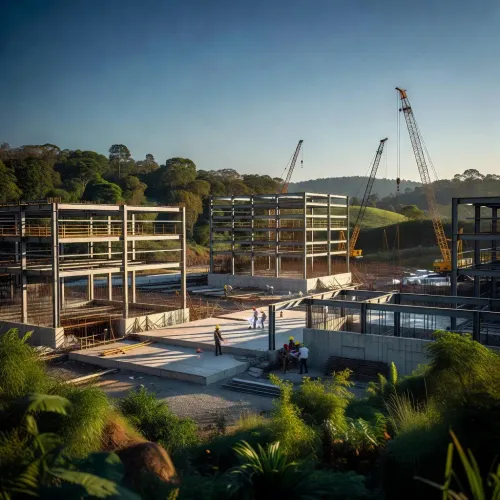
An eco-friendly AAC blocks manufacturing unit was recently inaugurated in Tinsukia as part of the summit's implementation push.
The Advantage Assam 2.0 summit targeted sectors including infrastructure, energy, manufacturing, technology, tourism, and agriculture.
The state is deliberately expanding industrial activity beyond Guwahati to districts across Assam.
CM Sarma has emphasised that the focus is on job creation and project implementation, not merely investment announcements.
Assam Chief Minister Himanta Biswa Sarma on Thursday, 12 November 2026, said that the Bharatiya Janata Party (BJP) government is actively converting the investment pledges secured at the Advantage Assam 2.0 summit into operational projects across the state. According to Sarma, nearly ₹3 lakh crore worth of commitments announced at the summit are already taking shape on the ground, marking a critical shift from intent to implementation.
Tinsukia Unit Signals Push Beyond Guwahati
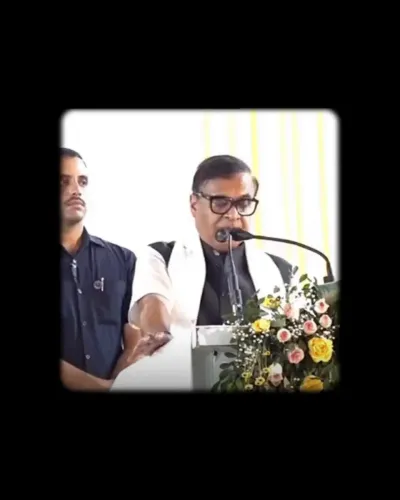
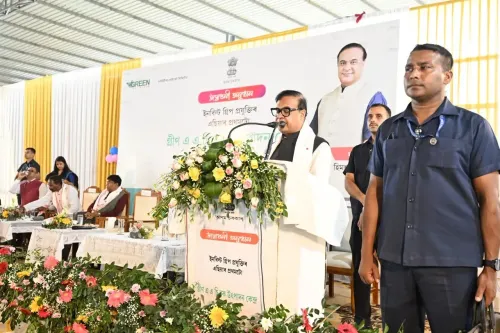
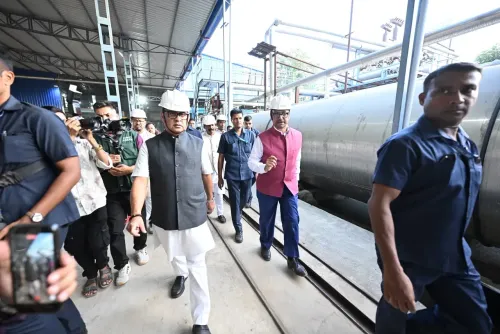
In a post on social media platform X, CM Sarma said he had recently inaugurated an eco-friendly AAC blocks manufacturing unit in Tinsukia, describing it as a concrete step towards delivering on the Advantage Assam 2.0 commitments. 'We are turning every announcement at #AdvantageAssam 2.0 into reality,' the Chief Minister said, adding that the new unit reflected the state government's focus on converting investment proposals into operational factories.
Notably, the Tinsukia project underlines a deliberate effort to spread industrial activity beyond Guwahati and established urban centres — taking manufacturing opportunities to districts that have historically been on the periphery of Assam's economic activity.
What Advantage Assam 2.0 Set Out to Do
The Advantage Assam 2.0 Investment and Infrastructure Summit, organised earlier this year, was the flagship event of Assam's industry-led growth strategy. The summit targeted investments across a broad range of sectors — infrastructure, energy, manufacturing, technology, tourism, and agriculture — with the state positioning itself as a gateway to the Northeast and a key destination in eastern India.
The state government has also pointed to measurable improvements in connectivity, industrial infrastructure, and the overall ease of doing business as the driving factors behind growing investor interest. Several initiatives rolled out in recent years were specifically aimed at simplifying regulatory processes and attracting both domestic and global capital.
Jobs and Implementation at the Centre of the Agenda
Chief Minister Sarma has repeatedly emphasised that attracting investment announcements is only half the task — the harder, more consequential work lies in ensuring those proposals translate into employment for the state's youth. This focus on outcomes rather than just deal-signings has become the defining narrative of the Assam government's industrial outreach.
This comes amid broader competition among Northeastern states to attract investment in a region that has historically lagged behind the rest of India in industrial output. Assam's aggressive pitch — backed by infrastructure upgrades and streamlined approvals — is an attempt to close that gap at scale.
What Comes Next
With investment proposals now entering the execution phase, the Assam government is seeking to demonstrate that the Advantage Assam 2.0 summit was not a one-time publicity exercise but a durable roadmap for accelerating industrialisation. The pace at which the remaining ₹3 lakh crore in commitments are operationalised will be the real measure of the summit's success — and of the state's ability to sustain investor confidence over the long term.
Point of View
But the more consequential question is what fraction of that figure will reach operational status within a credible timeframe. India's investment summit circuit has a well-documented gap between MoUs signed and factories built — Assam is not unique in that vulnerability. The Tinsukia inauguration is a useful signal, but a single manufacturing unit does not validate a ₹3 lakh crore pipeline. The government's decision to extend industrial push beyond Guwahati is structurally sound, but it also raises the execution bar: last-mile infrastructure, power reliability and skilled labour in smaller districts will determine whether the decentralisation ambition holds. Sarma's accountability framing — 'not just announcements, but jobs' — is the right benchmark; it now needs an independent tracking mechanism to be meaningful.
NationPress
12 Nov 2026
Frequently Asked Questions
What is Advantage Assam 2.0 and how much investment did it attract?
Advantage Assam 2.0 is an Investment and Infrastructure Summit organised by the Assam government to attract capital across sectors including infrastructure, energy, manufacturing, technology, tourism, and agriculture. The state government says nearly ₹3 lakh crore in investment commitments were secured at the summit and are now being taken towards implementation.
What project did CM Sarma inaugurate in Tinsukia?
Chief Minister Himanta Biswa Sarma inaugurated an eco-friendly AAC blocks manufacturing unit in Tinsukia, citing it as an example of the Advantage Assam 2.0 commitments being converted into operational projects. He described it as a step towards delivering on summit promises.
Why is the Assam government expanding industry beyond Guwahati?
The state government is making a deliberate effort to take manufacturing and investment opportunities to districts beyond Guwahati and traditional urban centres, in order to spread economic benefits more widely across Assam. The Tinsukia project is cited as an example of this decentralisation strategy.
What sectors did Advantage Assam 2.0 target?
The summit sought investments in a wide range of sectors including infrastructure, energy, manufacturing, technology, tourism, and agriculture, with the state positioning itself as an investment gateway to India's Northeast.
How is the Assam government measuring success of the summit?
Chief Minister Sarma has said the benchmark is not just the volume of investment announcements but the actual implementation of projects and the creation of employment for Assam's youth. The government has pointed to inaugurations of operational units as evidence of progress.