Assam's K9 Sniffer Dogs Bolster Rhino Protection Drive
Synopsis
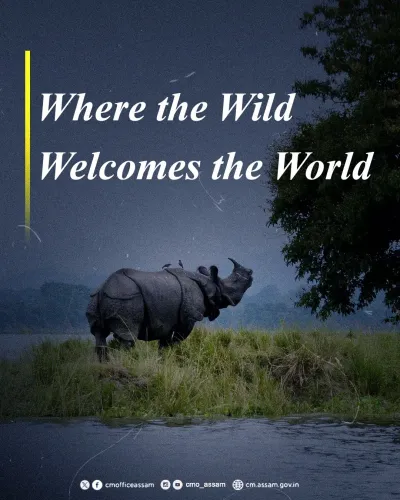
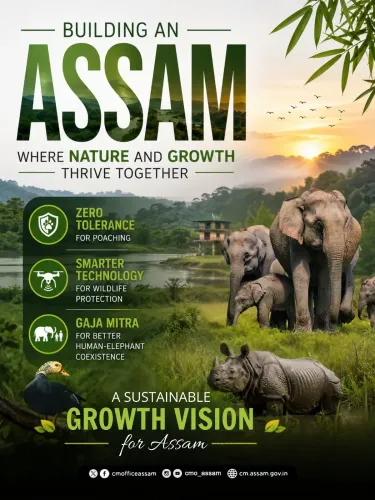
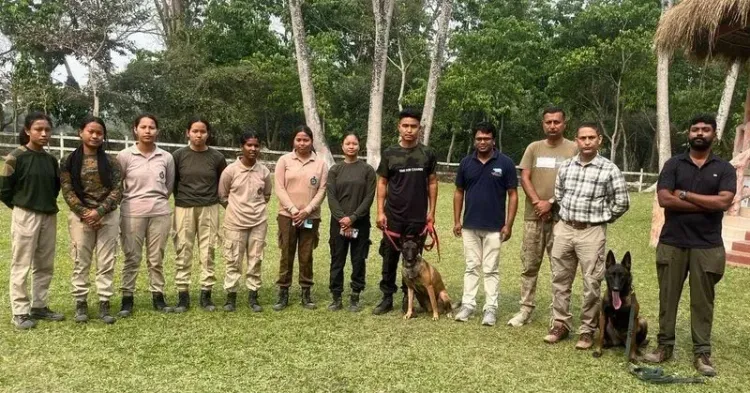
The Chief Minister's Office of Assam on 1 July 2026 highlighted K9 sniffer dog teams as a critical component of the state's rhino protection operations, reflecting a broader shift toward technology-augmented wildlife enforcement in Kaziranga and beyond.
Key Takeaways
The Chief Minister's Office of Assam flagged K9 sniffer dog units as a key force in rhino protection efforts on 1 July 2026 .
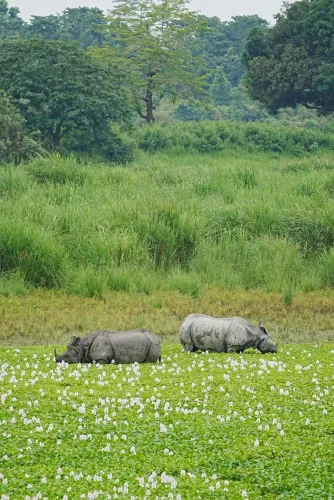
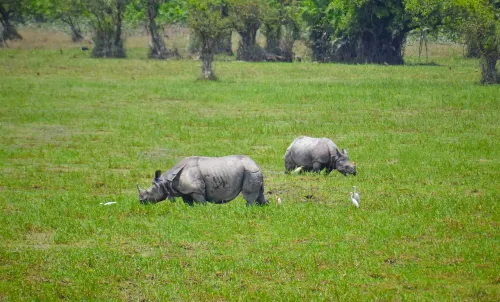
Kaziranga National Park , a UNESCO World Heritage Site, holds the world's largest population of the greater one-horned rhinoceros and is central to these operations.
The Indian Rhino Vision 2020 programme, launched in 2005 , set a target of raising Assam's rhino population to 3,000 through habitat expansion and stricter enforcement.
K9 units complement traditional foot patrols by detecting rhino horn and related contraband at checkpoints and transit routes.
Assam's wildlife security modernisation aligns with India's obligations under CITES and the National Wildlife Action Plan .
Future budget allocations in the Assam legislature and annual poaching data from Kaziranga and Manas will indicate the programme's long-term trajectory.
The Chief Minister's Office of Assam on Wednesday, 1 July 2026 highlighted the growing role of K9 sniffer dog units in the state's anti-poaching operations, describing the canine teams as a key force in efforts to protect the greater one-horned rhinoceros across Assam's protected areas.
Context
The post draws attention to a specialised enforcement capability that the Assam Forest Department has developed as part of broader wildlife security modernisation. K9 units are trained to detect wildlife contraband — including rhino horn, skin, and related products — at forest checkpoints, transit routes, and market entry points, making them a force-multiplier for on-ground forest guards.
Kaziranga National Park, a UNESCO World Heritage Site in Assam, holds the world's single largest population of the greater one-horned rhinoceros and has historically been the focal point of the state's anti-poaching infrastructure. Protecting Kaziranga's rhinos has been a flagship conservation commitment of successive Assam governments.
Policy Backdrop
Assam's intensified rhino protection drive has its roots in the Indian Rhino Vision 2020 programme, a collaborative initiative launched in 2005 by the state government, WWF-India, and partner agencies with the goal of raising Assam's rhino population to 3,000 through habitat expansion and stricter enforcement.
Following peak poaching years in Kaziranga during 2012–2013, the state rolled out a series of security upgrades through the 2010s, including amendments under the Wildlife Protection Act and the introduction of technology-augmented patrol methods. The deployment of K9 units fits within this long-term shift, complementing traditional foot patrols with specialised detection capabilities. India's commitments under CITES (the Convention on International Trade in Endangered Species) and the National Wildlife Action Plan have also provided a policy framework for such investments.
Stakeholders and Impact
The primary beneficiaries of an effective K9 programme are the rhino populations in Kaziranga, Manas National Park, and other protected areas across Assam. Forest guards on the ground gain a critical detection advantage, while local communities living near park boundaries benefit from reduced wildlife crime activity that can otherwise destabilise livelihoods tied to eco-tourism.
Tourism operators and conservation organisations working in the region also have a direct stake in the programme's success, as rhino population health is a central draw for wildlife tourism in northeast India. Similar canine and drone-assisted enforcement models have been adopted in other Indian tiger and rhino reserves, suggesting a wider pattern of modernisation in wildlife security.
What's Next
Observers will be watching Assam's upcoming legislative session for budget allocations directed at wildlife security, including the expansion or sustenance of K9 units. Annual poaching data releases from Kaziranga and Manas will serve as the most concrete measure of whether canine-assisted enforcement is translating into a sustained decline in poaching incidents.
As Assam continues to position itself as a model for wildlife conservation in South Asia, the institutionalisation of specialised units like K9 teams signals a commitment to moving beyond reactive policing toward proactive, intelligence-led forest protection.
Point of View
A narrative that carries both domestic political weight and international credibility. Spotlighting technology-augmented enforcement — rather than just legislative action — signals a maturation in how the state communicates wildlife policy. The move also fits a broader national pattern of states competing to demonstrate measurable anti-poaching outcomes as central government funding and global conservation partnerships increasingly follow performance metrics. Whether the K9 programme's operational scale matches the political messaging will become clearer when poaching data for 2025–26 is formally published.
NationPress
1 Jul 2026
Frequently Asked Questions
What are K9 sniffer dogs used for in Assam's wildlife protection?
K9 sniffer dogs in Assam are trained to detect wildlife contraband such as rhino horn, skin, and related products at forest checkpoints and transit routes, acting as a detection force-multiplier alongside human forest guards.
Which national park in Assam has the most rhinos?
Kaziranga National Park, a UNESCO World Heritage Site in Assam, holds the world's single largest population of the greater one-horned rhinoceros and is the primary focus of the state's anti-poaching operations.
What is Indian Rhino Vision 2020?
Indian Rhino Vision 2020 is a collaborative programme launched in 2005 by the Assam government, WWF-India, and partners with the goal of raising Assam's rhino population to 3,000 through habitat expansion and stricter protection measures.
Has poaching in Kaziranga decreased in recent years?
Assam recorded peak poaching incidents in Kaziranga during 2012–2013, after which intensified security measures — including technology-augmented patrols — contributed to a decline in incidents post-2015, though annual data releases continue to be the definitive measure.
Does India use K9 units in other wildlife reserves?
Yes, canine and drone-assisted enforcement models similar to Assam's K9 programme have been adopted in several other Indian tiger and rhino reserves as part of a broader national shift toward technology-augmented wildlife security.