COP31 Antalya: Youth Pavilion puts young climate voices at negotiating table
Synopsis
Five years in, the Children and Youth Pavilion at COP31 in Antalya is no longer a symbolic gesture — it is a structured, youth-led space inside the world's most important climate negotiations, with 10 young spokespeople aged 14 to 31 and backing from UNICEF, UNDP, and the WMO. Samoan activist Brianna Fruean put it bluntly: 'How do you make plans without the implementers?'
Key Takeaways
The Children and Youth Pavilion at COP31 in Antalya, Türkiye is in its fifth consecutive year as the only fully youth-led space inside the UN Climate Change Conference.
10 young spokespeople , aged 14 to 31 , represent youth priorities across different negotiation tracks at COP31.
Samoan activist Brianna Fruean , Pacific Advisor to the Presidency Youth Climate Champion Team, argued that youth inclusion is essential: 'How do you make plans without the implementers?' Institutional partners include UNICEF , UNDP , Save the Children , UNOPS , CIFF , WMO , and the British Council .
The pavilion was first established at COP27 and has expanded its role within the formal UNFCCC process ever since.
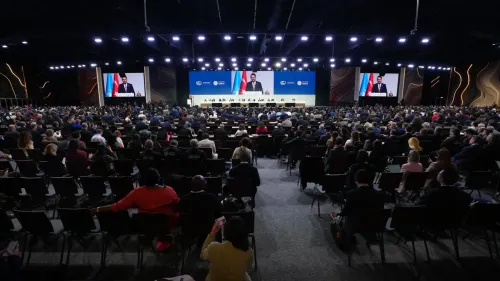
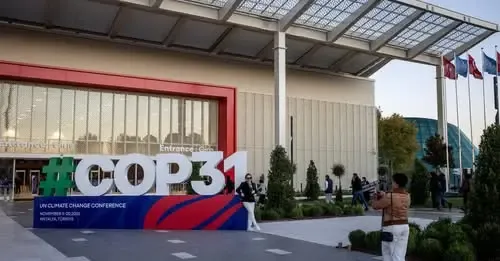
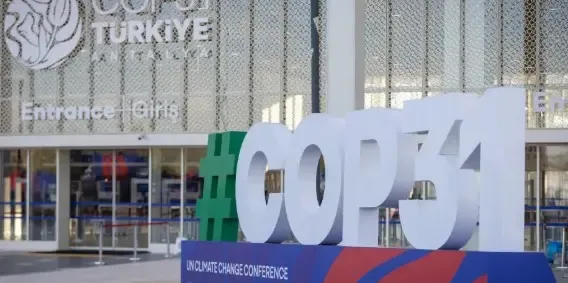
At COP31 in Antalya, Türkiye, young people from across the world are demanding more than symbolic inclusion in global climate negotiations — they want a seat where the decisions are actually made. The Children and Youth Pavilion, now in its fifth consecutive year at the UN Climate Change Conference, has opened its doors as the only fully youth-led space within the official COP process, reinforcing a growing movement that refuses to treat the climate crisis as a problem for future generations.
A Platform Built by and for Young People
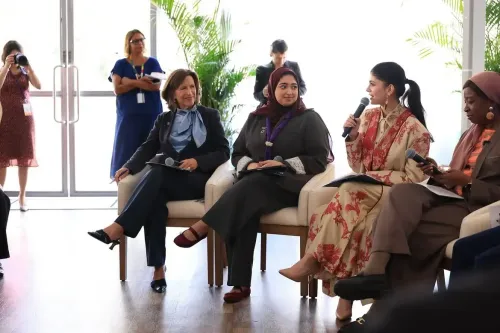
The pavilion's opening ceremony drew prominent figures from both the global climate and youth movements. Sally Higgins and Marcele Oliveira, the COP31 and COP30 Presidency Youth Climate Champions respectively, addressed the gathering alongside representatives from institutional partners including UNICEF, the Children's Investment Fund Foundation (CIFF), and the British Council. The event was also attended by frontline activists whose testimonies underscored the lived urgency behind the policy debates unfolding in Antalya's negotiating rooms.
The pavilion is staffed by 10 young spokespeople, aged between 14 and 31, who represent diverse geographies and areas of expertise. Their role is to keep children's and young people's priorities visible across different negotiation tracks throughout the conference.
Voices from the Frontline
Among the most striking voices at the opening was Brianna Fruean, a Samoan environmental activist working at the intersection of ocean and climate issues and serving as a Pacific Advisor to the Presidency Youth Climate Champion Team. For Fruean, the pavilion is far more than a ceremonial gesture. 'It's of utmost importance to have a pavilion like this,' she said.
Fruean articulated what has become a central argument of the youth climate movement: that young people must be active participants in negotiations, not passive recipients of outcomes. 'If there's no youth participation in spaces such as COP, there's no sustainability for our movement, because what is decided at this conference today is what the youth of tomorrow will need to be implementing. So how do you make plans without the implementers?' she said.
Her argument reflects a broader frustration among frontline communities — particularly those in small island and coastal nations — that the people most affected by climate change are often least represented at the tables where climate policy is forged.
Institutional Backing and Programme Scope
The pavilion's programming brings together a broad coalition of organisations, including UNDP, UNICEF, Save the Children, UNOPS, and the World Meteorological Organisation (WMO), alongside a range of youth-led groups working on the frontlines of climate action. The mix of institutional weight and grassroots energy is deliberate — a signal that youth participation at COP is no longer a side event, but an embedded feature of the formal process.
First established at COP27, the Children and Youth Pavilion has steadily expanded its footprint within the United Nations Framework Convention on Climate Change (UNFCCC) process, providing a structured space for young people to showcase initiatives, engage with policymakers, and push for accountability on climate commitments.
Why This Moment Matters
This comes amid growing pressure on governments to accelerate climate action ahead of critical deadlines under the Paris Agreement. Youth movements have consistently argued that the gap between negotiated commitments and on-the-ground implementation is widest in the communities that young people come from — and that closing it requires their direct involvement in designing solutions.
As delegates work through the official negotiating text in Antalya, the pavilion's fifth edition stands as a reminder that the legitimacy of climate decisions increasingly depends on whether the next generation had any hand in making them.
Point of View
But they cannot vote on the text. The real test is whether negotiating governments treat youth input as a consultative formality or as a substantive constraint on backsliding. Frontline voices like Fruean's also surface a persistent contradiction: the communities most articulate about climate urgency — small island states, coastal and forest-dependent populations — remain the least represented in the corridors where adaptation finance and emissions targets are actually decided.
NationPress
12 Nov 2026
Frequently Asked Questions
What is the Children and Youth Pavilion at COP31?
The Children and Youth Pavilion is the only fully youth-led space within the official UN Climate Change Conference, now in its fifth consecutive year at COP31 in Antalya, Türkiye. It provides a structured platform for young people to engage directly with policymakers, showcase initiatives, and push for climate action within the formal UNFCCC process.
Who is Brianna Fruean and why is she significant at COP31?
Brianna Fruean is a Samoan environmental activist working at the intersection of ocean and climate issues, serving as a Pacific Advisor to the Presidency Youth Climate Champion Team at COP31. She represents frontline communities — particularly small island nations — that are already experiencing the severest impacts of climate change and argues that youth must be active participants, not just observers, in climate negotiations.
How many young people are representing youth interests at COP31?
Ten young spokespeople, aged between 14 and 31, are part of the pavilion's programme at COP31. They bring diverse experiences and expertise to discussions across different negotiation topics, ensuring children's and young people's priorities remain visible throughout the conference.
When was the Children and Youth Pavilion first established?
The Children and Youth Pavilion was first established at COP27 and has since grown into a permanent fixture of the UN climate conference process. Its fifth edition at COP31 in Antalya marks its most expansive iteration yet, with backing from organisations including UNICEF, UNDP, WMO, Save the Children, and the British Council.
Why do youth activists argue they must be part of COP negotiations?
Youth activists argue that the commitments made at COP will ultimately be implemented by the next generation, making their participation essential to both the legitimacy and sustainability of climate agreements. As Brianna Fruean put it at COP31: 'What is decided at this conference today is what the youth of tomorrow will need to be implementing — so how do you make plans without the implementers?'