Sonam Wangchuk hospitalised after 20-day fast; Oppn cries 'democracy crushed', NDA hits back
Synopsis
Sonam Wangchuk's 20-day hunger strike over the NEET paper leak ended not with a ministerial resignation but with a hospital bed — ordered by the Delhi High Court and condemned by the Opposition as an assault on democratic protest. With no government dialogue attempted and public anger over NEET still raw, the episode has sharpened a political fault line that is unlikely to close quickly.
Key Takeaways
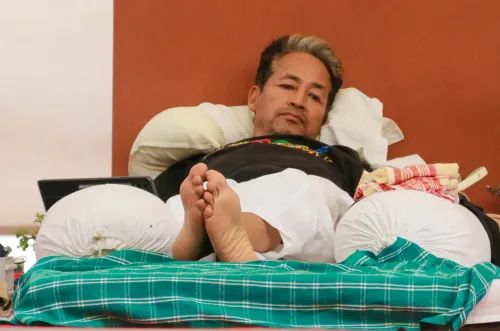
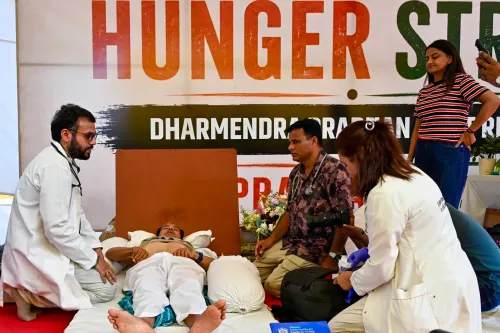
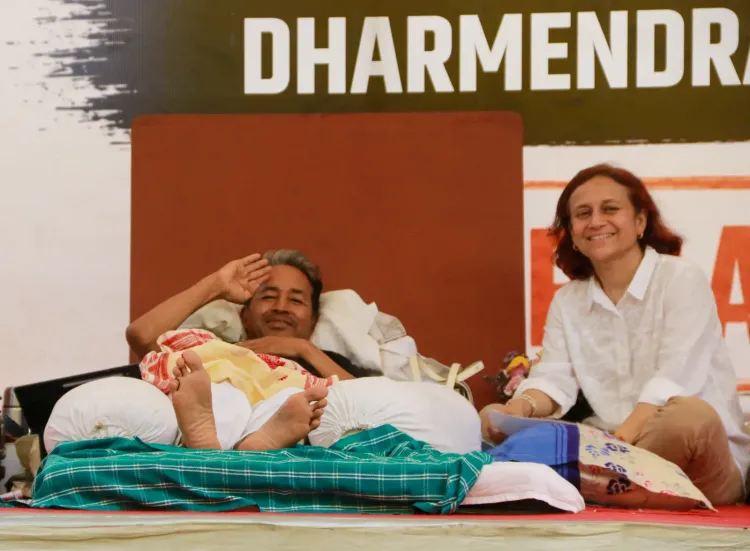
Sonam Wangchuk was shifted to hospital from Jantar Mantar , New Delhi , on 18 July after a 20-day hunger strike demanding Education Minister Dharmendra Pradhan's resignation over the NEET paper leak .
The hospitalisation was carried out in compliance with a Delhi High Court direction and on medical advice.
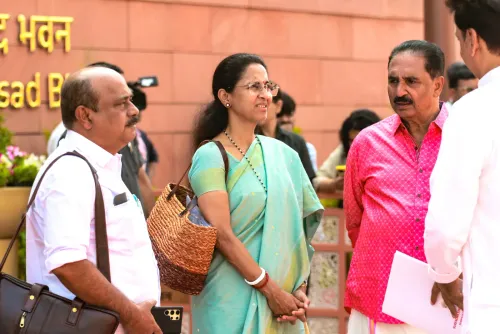
Opposition leaders including Congress , MNS , and TMC condemned the move as an 'attempt to crush democracy.' BJP MP Dinesh Sharma defended the action, saying the government is duty-bound to follow court orders.
JD(U) leader Neeraj Kumar said hospitalisation was medically necessary while acknowledging the government's responsibility to be sympathetic.
No Central government minister or official reportedly held talks with Wangchuk during his 20-day fast, according to Opposition leaders.
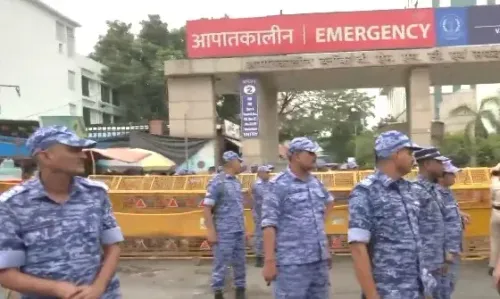
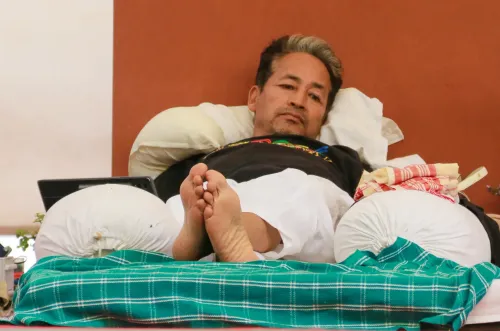
Climate activist Sonam Wangchuk was shifted to a hospital from his protest site at Jantar Mantar, New Delhi, in the early hours of Saturday, 18 July, after his health deteriorated following a 20-day hunger strike demanding the resignation of Union Education Minister Dharmendra Pradhan over the NEET paper leak controversy. The hospitalisation, carried out in compliance with a Delhi High Court direction and on medical advice, triggered a sharp political confrontation between the Opposition and the ruling National Democratic Alliance (NDA).
Opposition Calls It an Attack on Democracy
Congress MP Imran Pratapgarhi described the development as deeply troubling. 'This is very sad. It is an attempt to crush democracy. Anyone can protest peacefully in this country. Instead of speaking to a person who was fasting for so many days, the government chose to drag him away,' he said.
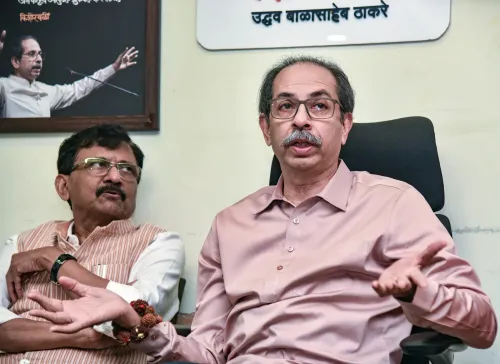
Maharashtra Navnirman Sena (MNS) leader Amit Thackeray called it 'one of the darkest days in the history of Indian politics,' adding: 'I have never seen democracy dying before my eyes like this. Such a great person, an educationist, a scientist, who has worked for farmers, who has worked for students, who has worked for our Indian Army — he has been on a hunger strike for 20 days, forget [Pradhan's] resignation, no one from the Central government came to have a dialogue with him.'
Congress leader Sachin Pilot said the government's first obligation should have been dialogue. 'Instead, they failed to fulfil them. His demands were not unreasonable. The entire country wants reforms in our education and examination system because public confidence in it has eroded… this reflects that the government is in no mood to listen to the demands, but the frustration of the youths will not end,' Pilot told reporters.
Rajasthan Assembly Leader of Opposition and Congress MLA Tika Ram Jully alleged that no minister, party office-bearer, or government official approached Wangchuk for talks. 'The government, feeling pressured, acted in an undemocratic and authoritarian manner by removing him from the protest site. Those participating in the sit-in were also assaulted. This is condemnable,' he said.
Trinamool Congress (TMC) MP Saugata Ray termed the move 'unfortunate,' while noting that action taken pursuant to a High Court order limits the scope for criticism. He added that his party supports the demand for the Education Minister's resignation. Political activist Yogendra Yadav described the Delhi Police action as 'shameful, cowardly, and illegal.'
NDA Defends the Action
Bharatiya Janata Party (BJP) MP Dinesh Sharma hit back at the Opposition, saying: 'Some people's work is to spread instability, chaos, and create divisions among people so that national sentiment does not emerge, and they spread rumours on other issues. Whatever the Honourable Court orders, it is the duty of every government to comply with it.'
Janata Dal (United) leader Neeraj Kumar acknowledged the right to dissent in a democracy but argued that expressing it through physical suffering is not appropriate, even when the underlying demand is legally valid. 'It is also the government's responsibility to be sympathetic in such situations,' he said, maintaining that hospitalising Wangchuk was medically necessary.
Background: The NEET Controversy and the Hunger Strike
Wangchuk, widely known for his work on sustainable technology and education in Ladakh, launched his hunger strike to press for accountability over the NEET-UG paper leak that shook India's medical entrance examination system. His 20-day fast drew growing public attention, with supporters gathering at Jantar Mantar and solidarity protests reported from multiple cities. The Centre had not publicly engaged with his demands before the hospitalisation.
What Happens Next
Wangchuk's medical condition and the political fallout are expected to keep the NEET controversy at the centre of parliamentary and public debate. Opposition parties have signalled they will continue pressing for Pradhan's resignation, while the government's position — anchored on the court's direction — leaves little room for immediate concession. Whether dialogue between the two sides materialises remains to be seen.
Point of View
Which had court backing. Democratic legitimacy is tested not just by legal compliance but by willingness to engage, and the Centre's refusal to send even a mid-level interlocutor to Jantar Mantar hands the Opposition a narrative gift. The NEET crisis has already eroded public trust in India's examination infrastructure; allowing a high-profile protest to escalate to a medical emergency without dialogue compounds that credibility deficit. The BJP's framing — that critics seek 'chaos and instability' — sidesteps the substance of Wangchuk's demands entirely, which is precisely the accountability gap the Opposition will continue to exploit.
NationPress
18 Jul 2026
Frequently Asked Questions
Why was Sonam Wangchuk shifted to hospital?
Wangchuk was hospitalised on 18 July after his health deteriorated following a 20-day hunger strike at Jantar Mantar, New Delhi. The move was carried out in compliance with a Delhi High Court direction and on the advice of medical experts.
What was Sonam Wangchuk protesting about?
Wangchuk had been on a hunger strike demanding the resignation of Union Education Minister Dharmendra Pradhan over the NEET-UG paper leak controversy. His protest drew widespread public attention and solidarity across India.
What did the Opposition say about Wangchuk's hospitalisation?
Opposition leaders called it an 'attempt to crush democracy.' Congress MP Imran Pratapgarhi, MNS leader Amit Thackeray, Congress leader Sachin Pilot, and TMC MP Saugata Ray all condemned the action, alleging the government made no effort to hold dialogue with Wangchuk during his 20-day fast.
How did the NDA respond to the Opposition's criticism?
BJP MP Dinesh Sharma said the government is duty-bound to comply with court orders and accused critics of seeking to spread 'instability and chaos.' JD(U) leader Neeraj Kumar said hospitalisation was medically necessary while calling on the government to remain sympathetic.
Did the Central government hold any talks with Sonam Wangchuk?
According to multiple Opposition leaders, no Central government minister, BJP office-bearer, or government official approached Wangchuk for dialogue during his 20-day hunger strike. The government has not publicly confirmed or denied this claim.