Lav-Kush Park in Ayodhya: ₹17.72 crore 'Art from Waste' project begins
Synopsis
Ayodhya is getting a park unlike any other — ₹17.72 crore, built entirely on an 'Art from Waste' philosophy, with scrap metal sculptures narrating the Ramayana tales of Lav and Kush. In a city already transformed by the Ram Mandir, this is civic planners' bid to make Ayodhya a year-round cultural and eco-tourism destination.
Key Takeaways
Lav-Kush Park will be built in Ayodhya at a cost of ₹17.72 crore under the State Smart City Mission .
The park's 'Art from Waste' theme will use repurposed urban scrap to create sculptures and installations depicting Ramayana stories.
Municipal Commissioner Jayendra Kumar confirmed the park will focus on the mythological tales of Lav and Kush , sons of Lord Ram .
Special workshops and tours for school and college students are planned to promote waste management awareness.
The project is part of CM Yogi Adityanath's Smart Cities vision for Uttar Pradesh .
Construction is set to begin shortly using eco-friendly materials .
Ayodhya is set to get a landmark new public space as the Lav-Kush Park, a ₹17.72 crore initiative built on an 'Art from Waste' theme, is approved for development under the State Smart City Mission. The park, being developed by the Ayodhya Municipal Corporation, will bring together Ramayana mythology, eco-conscious design, and interactive art — making it one of the most distinctive tourism projects in Uttar Pradesh in recent years.
What the Park Will Feature
At the heart of the project is the 'Art from Waste' concept: urban scrap and discarded materials will be repurposed into sculptures, models, and installations depicting the mythological stories of Lord Ram's sons, Lav and Kush. The park will also include scrap metal sculptures, artistic murals, and interactive exhibits drawing from the Ramayana tradition.
Modern amenities — including walkways, gardens, seating areas, lighting, and security systems — will be integrated throughout. Construction is scheduled to begin shortly, with eco-friendly materials to be used throughout the build.
What the Municipal Commissioner Said
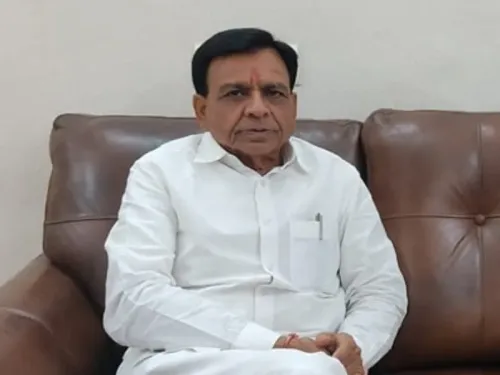
Municipal Commissioner Jayendra Kumar said the park will specifically focus on the stories of Lav and Kush, presenting these popular tales from the Ramayana era through modern art. 'These popular tales from the Ramayana era will be presented through the medium of modern art, enabling the younger generation to connect with their mythological history,' Kumar said.
Education and Environmental Goals
The park is designed to serve a dual purpose: cultural preservation and environmental awareness. Special tours and workshops for school and college students are planned to raise awareness about waste management and environmental conservation. Officials say the project integrates sustainable development principles with heritage storytelling — a combination rarely attempted at this scale in a pilgrimage city.
Notably, the 'Art from Waste' message carries particular resonance coming from Ayodhya, a city whose religious significance gives it national visibility. Experts believe such parks can meaningfully boost local economies alongside tourism footfall.
Ayodhya's Expanding Tourism Footprint
The Lav-Kush Park is part of a broader development push in Ayodhya, which has seen rapid upgrades to infrastructure, sanitation, and tourism facilities in recent years. The project aligns with Uttar Pradesh Chief Minister Yogi Adityanath's Smart Cities vision. Many religious figures believe that after landmarks like the Ram Mandir, Hanuman Garhi, and Kanak Bhawan, the Lav-Kush Park could emerge as a fresh focal point for visitors to the city.
With the Ram Mandir consecration having already drawn record pilgrim numbers, civic planners are clearly betting that Ayodhya's tourism moment extends well beyond a single shrine.
Point of View
Environmental optics, and Smart City branding — packaged into a single project. What makes it noteworthy is the 'Art from Waste' framing: it gives Ayodhya, a city whose identity is almost entirely devotional, a secular, eco-conscious hook that can attract a broader audience. The risk is execution — India's track record with themed public parks is uneven, and ₹17.72 crore is a meaningful outlay for a project whose impact depends heavily on curation quality and maintenance. If done well, it genuinely extends Ayodhya's tourist dwell time beyond the temple circuit; if not, it becomes another underused civic amenity.
NationPress
24 Sept 2026
Frequently Asked Questions
What is the Lav-Kush Park in Ayodhya?
The Lav-Kush Park is a planned public park in Ayodhya built on an 'Art from Waste' theme, depicting Ramayana stories of Lord Ram's sons Lav and Kush through scrap metal sculptures, murals, and interactive installations. It is being developed by the Ayodhya Municipal Corporation at a cost of ₹17.72 crore under the State Smart City Mission.
How much will the Lav-Kush Park cost?
The park will be developed at a cost of ₹17.72 crore, funded under the State Smart City Mission. Construction is scheduled to begin shortly using eco-friendly materials.
What is the 'Art from Waste' theme of the park?
The 'Art from Waste' concept involves collecting urban waste and scrap materials and repurposing them to create sculptures, models, and artistic installations. In the Lav-Kush Park, these will depict mythological narratives from the Ramayana.
Who will benefit from the Lav-Kush Park?
The park is designed for tourists, pilgrims, and students. Special workshops and guided tours for school and college students are planned to promote environmental awareness, while general visitors will be able to engage with Ramayana heritage through an eco-art experience.
How does the Lav-Kush Park fit into Ayodhya's broader development?
The park is part of a wider infrastructure and tourism push in Ayodhya aligned with Chief Minister Yogi Adityanath's Smart Cities vision. Religious figures and experts believe it could become a new focal point for visitors alongside existing landmarks such as the Ram Mandir, Hanuman Garhi, and Kanak Bhawan.