Badrinath Nagar Panchayat Earns ₹9 Lakh from Waste Management
Synopsis
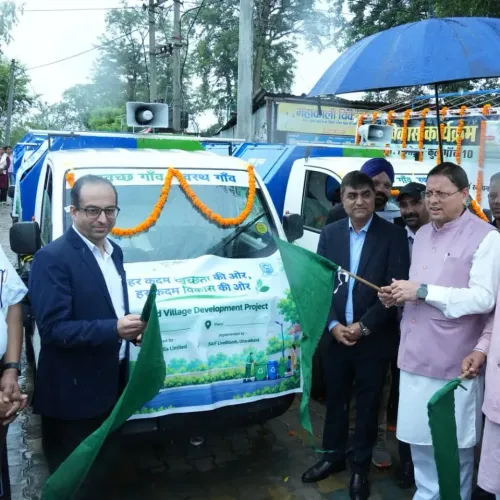
Nagar Panchayat Badrinath has earned ₹9 lakh through scientific waste management, the Uttarakhand CMO announced. The achievement highlights how high-altitude pilgrimage towns in Chamoli are turning waste into revenue while protecting fragile Himalayan ecology under the Swachh Bharat Mission framework.
Key Takeaways
Nagar Panchayat Badrinath earned ₹9 lakh through scientific waste management, as announced by the Chief Minister's Office of Uttarakhand on 20 November 2026 .
Badrinath is a major Char Dham pilgrimage site in Chamoli district , Uttarakhand, attracting large seasonal tourist and devotee footfall that creates acute waste disposal challenges.
Scientific waste management in Himalayan towns typically involves source segregation, composting, and dry-waste recycling — converting a cost into a revenue stream for cash-strapped local bodies.
The model aligns with the Swachh Bharat Mission (2014) , which promotes revenue generation through solid waste processing by urban local bodies.
Replication across other nagar panchayats on the Char Dham circuit — including Hemkund Sahib and Valley of Flowers corridors — could meaningfully reduce landfill pressure on ecologically fragile Himalayan zones.
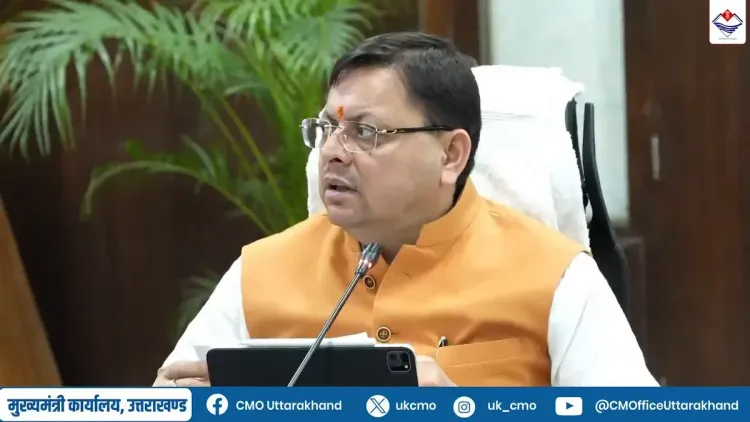
A Himalayan pilgrimage town has turned its garbage problem into a revenue stream. Nagar Panchayat Badrinath has earned ₹9 lakh through scientific waste management, the Chief Minister's Office of Uttarakhand announced on Friday, 20 November 2026 — a small but striking proof-of-concept for India's most ecologically fragile civic bodies.
The CMO's post, shared in Hindi, reads: 'Nagar Panchayat Badrinath ne vaigyanik kachhra prabandhan se kamaaye ₹09 lakh' — 'Nagar Panchayat Badrinath has earned ₹9 lakh through scientific waste management.'Why Badrinath's Waste Crisis Is Unlike Any Other
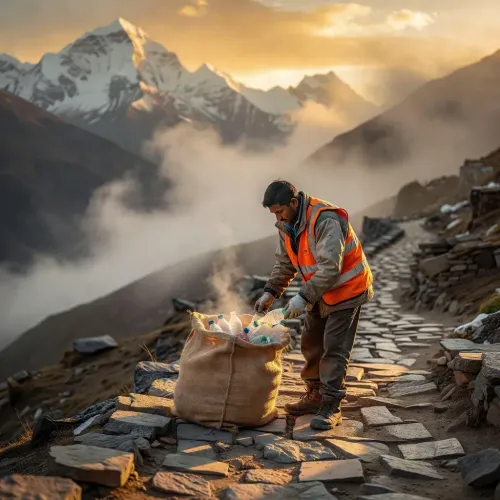
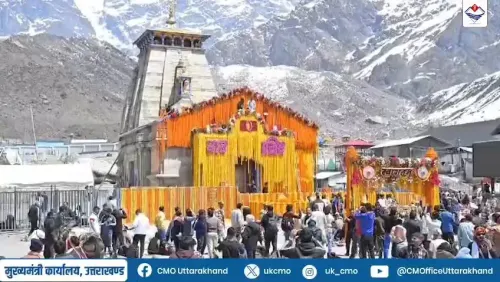
Badrinath, nestled in the Chamoli district of Uttarakhand at over 3,100 metres above sea level, is one of Hinduism's holiest Char Dham pilgrimage sites. Its temple draws hundreds of thousands of devotees every season — and every one of them generates waste in a zone where landfills are essentially impossible and ecological damage is irreversible. The challenge of solid waste disposal in high-altitude, geologically sensitive Himalayan towns is not a minor administrative headache. It is a civilisational test.
Conventional waste dumping in such terrain risks contaminating glacial streams, destabilising slopes, and polluting the very rivers that originate here. That is the pressure Nagar Panchayat Badrinath has been working against.
Scientific Segregation, Composting and the Revenue Turn
Small nagar panchayats across Uttarakhand have increasingly moved toward source segregation, composting, and dry-waste recycling as part of a broader state push to make pilgrimage towns self-sustaining. The model — processing organic waste into compost and channelling dry recyclables to buyers — converts a cost centre into a modest revenue line. The ₹9 lakh figure represents exactly that shift: waste that once required subsidised disposal is now generating cash.
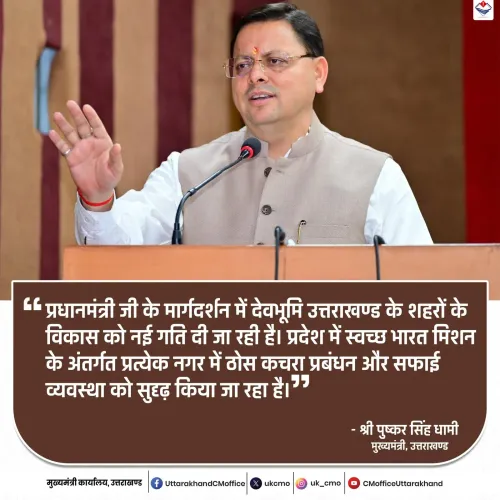
This approach aligns with the Swachh Bharat Mission, launched in 2014, which has consistently pushed urban local bodies to adopt scientific solid waste management and explore revenue generation from waste processing. For a nagar panchayat with limited tax base and seasonal population swings, even a few lakh rupees in earned income materially changes what civic services it can fund.
A Template for Uttarakhand's Char Dham Circuit
The significance here extends well beyond one town's balance sheet. Chamoli district alone contains multiple high-altitude pilgrimage and eco-tourism nodes — Hemkund Sahib, Valley of Flowers, Auli — all facing identical waste pressures once visitor numbers surge. If Badrinath's model can be replicated across the Char Dham circuit, Uttarakhand stands to simultaneously protect its Himalayan ecology and reduce the fiscal burden on its smallest civic bodies.
State budget allocations for scaling scientific waste infrastructure in nagar panchayats, and the rollout of similar waste-to-wealth projects elsewhere in the hills, will be the real measure of whether this becomes a system or stays a one-town story.
Badrinath has shown that in the Himalayas, cleaning up after pilgrims can pay for itself. The question now is whether Uttarakhand moves fast enough to prove it at scale.
Point of View
Sitting above the treeline on pilgrimage routes, can operationalise Swachh Bharat's revenue-from-waste mandate without waiting for large-scale infrastructure. The Uttarakhand government's decision to amplify this through the CMO's official channel suggests it is being positioned as a replicable template, not a one-off. The real policy test will come in the next state budget cycle: whether allocations for scientific waste infrastructure in nagar panchayats scale proportionally to the tourism revenue these towns generate for the state. If they do, Uttarakhand could emerge as a national model for eco-sensitive municipal waste governance.
NationPress
20 Nov 2026
Frequently Asked Questions
How did Nagar Panchayat Badrinath earn ₹9 lakh from waste management?
Nagar Panchayat Badrinath earned ₹9 lakh by adopting scientific waste management practices such as source segregation, composting of organic waste, and selling dry recyclables — converting waste disposal from a cost into a revenue stream.
What is scientific waste management in Indian nagar panchayats?
Scientific waste management refers to systematic source segregation of wet and dry waste, composting organic material, and channelling recyclables to buyers — reducing landfill dependence and generating revenue for local bodies under the Swachh Bharat Mission framework.
Why is waste management particularly challenging in Badrinath?
Badrinath sits above 3,100 metres in the ecologically fragile Himalayas and receives hundreds of thousands of pilgrims each season. Conventional landfilling is impossible there without risking glacial stream contamination and slope destabilisation, making scientific disposal critical.
What is the Swachh Bharat Mission's role in pilgrimage towns?
Launched in 2014, the Swachh Bharat Mission encourages all urban local bodies — including small nagar panchayats in hill states — to adopt scientific solid waste management and generate revenue from waste processing, reducing dependence on state subsidies.
Will other Uttarakhand pilgrimage towns adopt Badrinath's waste model?
The Uttarakhand government has been encouraging similar waste-to-wealth projects across nagar panchayats in ecologically sensitive zones. Replication along the full Char Dham circuit — covering Kedarnath, Gangotri, and Yamunotri corridors — depends on future state budget allocations for scientific waste infrastructure.