Uttarakhand CMO: 2 Tonnes of Waste Cleared at Kedarnath
Synopsis
The Uttarakhand CMO announced that the 'Carry Me Back' campaign at Kedarnath Dham has collected 2 tonnes of waste with pilgrim cooperation during the ongoing Char Dham Yatra 2026, marking a milestone in the state's high altitude waste management effort.
Key Takeaways
The Uttarakhand CMO announced on 22 June 2026 that 2 tonnes of waste have been collected at Kedarnath Dham under the 'Carry Me Back' campaign.
The campaign relies on pilgrim participation , asking devotees to carry their own waste back from the shrine rather than leaving it at the site.
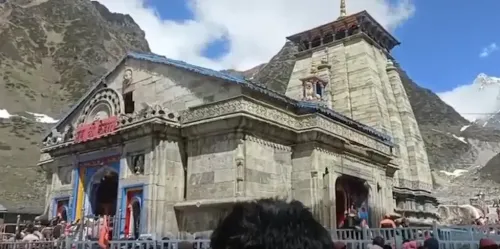
Kedarnath , located in Rudraprayag district , is one of the twelve Jyotirlingas and a key stop on the annual Char Dham Yatra .
The initiative builds on Swachh Bharat Abhiyan frameworks and Uttarakhand's own waste management protocols introduced for the yatra from around 2018–2019 .
The campaign's community driven model could serve as a template for extending similar drives to Yamunotri, Gangotri , and Badrinath .
The high altitude location makes waste management critical for protecting glacial water sources and Himalayan biodiversity.
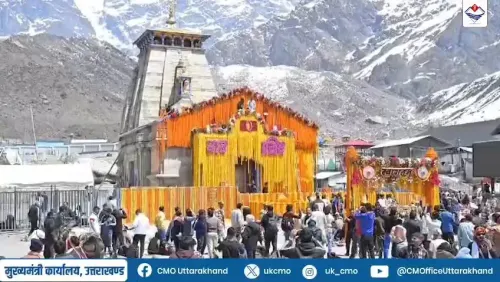
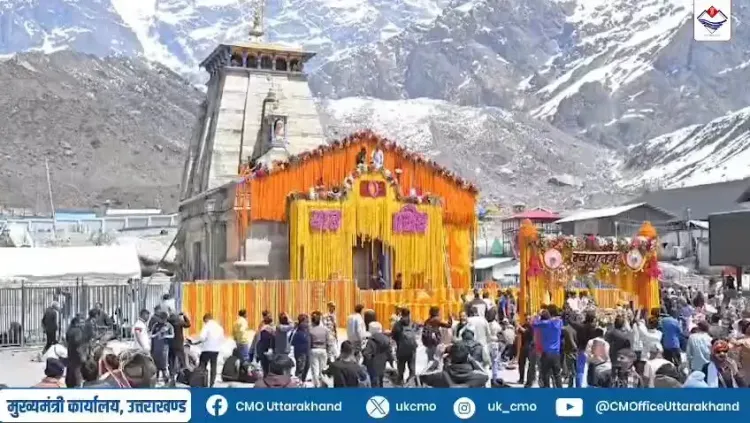
The Chief Minister's Office of Uttarakhand announced on Monday, 22 June 2026 that the ongoing cleanliness drive at Kedarnath Dham has collected 2 tonnes of waste with the active participation of pilgrims under the 'Carry Me Back' campaign. The initiative is part of a broader push to preserve the sanctity and ecology of one of India's most revered high altitude shrines during the Char Dham Yatra season.
Context
The CMO's post, shared in Hindi, stated: 'श्री केदारनाथ धाम को स्वच्छ और सुन्दर बनाने की मुहिम "कैरी मी बैक" के तहत श्रद्धालुओं के सहयोग से अभी तक किया गया 2 टन कचरा एकत्रित' — ('Under the "Carry Me Back" campaign to make Shri Kedarnath Dham clean and beautiful, 2 tonnes of waste have been collected so far with the cooperation of devotees.'). The announcement marks a visible milestone in the state government's effort to involve pilgrims directly in preserving the shrine's environment.
Kedarnath Dham, located in the Garhwal Himalayas of Rudraprayag district, is one of the twelve Jyotirlingas and draws lakhs of pilgrims every year as part of the Char Dham Yatra — a circuit that also includes Yamunotri, Gangotri, and Badrinath. The extreme altitude and fragile ecosystem of the region make waste accumulation a persistent environmental concern.
Policy Backdrop
The 'Carry Me Back' campaign is a participatory model introduced by the Uttarakhand government that urges pilgrims to carry their own non biodegradable waste back down from the shrine rather than leaving it at the site. This approach builds on the framework of the Swachh Bharat Abhiyan, launched in 2014, which included dedicated components for cleanliness at religious and tourist destinations across India.
The state had begun introducing special waste management protocols and restrictions on plastics for the Char Dham Yatra around 2018–2019, recognising that the annual surge in footfall posed risks to glacial water sources, biodiversity, and the visual sanctity of pilgrimage routes. Community driven collection models have since become a key instrument in this strategy, complementing regulatory measures such as single use plastic bans.
Stakeholders and Impact
The primary stakeholders in this effort are the pilgrims themselves, whose voluntary cooperation is central to the campaign's design. Local residents of Rudraprayag and temple management committees also have a direct stake, as unchecked waste accumulation affects livelihoods linked to religious tourism and the long term viability of the pilgrimage ecosystem.
Ecologically, Kedarnath sits in one of the most sensitive zones of the Himalayas, where plastic waste can leach into glacial streams and disrupt high altitude biodiversity. The collection of 2 tonnes of waste through pilgrim participation signals that community led models can generate measurable outcomes even in logistically challenging terrain.
What's Next
A key question going forward is whether the 'Carry Me Back' model will be extended to the other three sites on the Char Dham circuit — Yamunotri, Gangotri, and Badrinath — where similar pressures exist. Observers will also watch for any formal linkage between the campaign and stricter single use plastic regulations ahead of the next yatra season.
The success of participatory waste collection drives at high profile religious sites could also influence how other Himalayan states approach the intersection of faith based tourism and environmental stewardship, setting a replicable template for ecologically fragile pilgrimage destinations across India.
Point of View
The campaign attempts to convert religious sentiment into ecological responsibility, a model that is increasingly necessary as Char Dham footfall grows each year. The 2 tonne milestone, while modest in absolute terms, is politically significant because it demonstrates measurable results from a participatory approach that does not rely solely on enforcement. If the model is scaled to all four Char Dham sites, it could reshape how Indian states manage the tension between mass religious tourism and Himalayan conservation.
NationPress
21 Sept 2026
Frequently Asked Questions
What is the 'Carry Me Back' campaign at Kedarnath?
'Carry Me Back' is an Uttarakhand government initiative that urges pilgrims visiting Kedarnath Dham to carry their non biodegradable waste back with them rather than leaving it at the shrine, aiming to keep the high altitude site clean during the Char Dham Yatra.
How much waste has been collected at Kedarnath in 2026?
According to the Uttarakhand CMO's post on 22 June 2026, the 'Carry Me Back' campaign has collected 2 tonnes of waste at Kedarnath Dham with the cooperation of pilgrims.
Why is waste management a problem at Kedarnath?
Kedarnath sits in an ecologically fragile Himalayan zone where lakhs of pilgrims arrive annually for the Char Dham Yatra. Plastic and other waste can pollute glacial streams, harm biodiversity, and degrade the sanctity of the site.
Is the 'Carry Me Back' campaign linked to Swachh Bharat?
Yes, the campaign aligns with the broader Swachh Bharat Abhiyan launched in 2014, which included cleanliness components for religious and tourist sites. Uttarakhand has also introduced its own yatra specific waste management protocols since around 2018–2019.
Will the Carry Me Back campaign be extended to other Char Dham sites?
The Uttarakhand government has not formally announced an extension to Yamunotri, Gangotri, or Badrinath as of the June 2026 announcement, but the success of the Kedarnath model makes it a strong candidate for replication at the other three sites.