Maulana Barelvi Critiques SP's Call for Separate Quota for Muslim Women, Affirms Support for Women's Reservation Bill
Synopsis
In a recent statement, Maulana Shahabuddin Razvi Barelvi criticized the Samajwadi Party's demand for a separate quota for Muslim women, labeling it as politically motivated. He continues to advocate for the Women's Reservation Bill, which seeks to ensure 33% representation for women in legislatures.
Key Takeaways
Maulana Barelvi opposes the SP's call for a separate quota for Muslim women.
He supports the Women's Reservation Bill for enhancing women's representation.
The political landscape poses challenges to women's dignity and safety.
Disagreement exists within the Muslim community regarding women's roles.
Both clerics advocate for increased representation for women in politics.
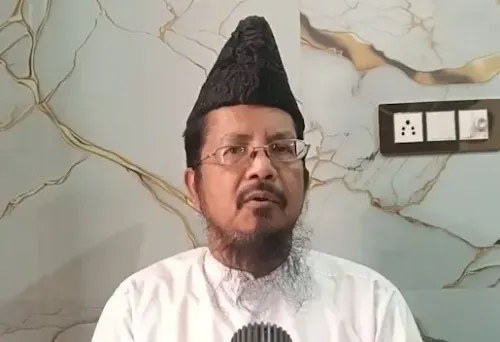
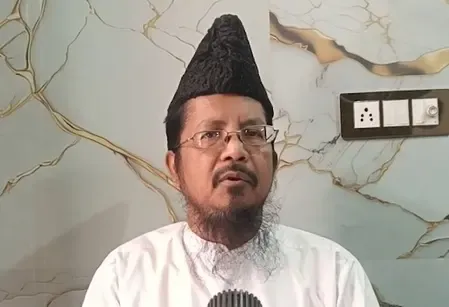
Bareilly, April 16 (NationPress) The Chief of All India Muslim Jamaat, Maulana Shahabuddin Razvi Barelvi, voiced his disapproval on Thursday regarding the Samajwadi Party's (SP) call for a distinct reservation for Muslim women, labeling it as "politically motivated." He reiterated his support for the Women's Reservation Bill, which aims to allocate 33 percent of seats for women in legislative bodies.
Barelvi expressed his endorsement for the proposal championed by Prime Minister Narendra Modi to improve women's presence through constitutional reforms.
He criticized the Samajwadi Party's approach, suggesting that their push for a unique quota for Muslim women is more about "politics of opposition" rather than actual empowerment.
"When the Samajwadi Party demands a separate reservation for Muslim women, it reflects their political strategy. They are more focused on opposition than on essential developmental matters," remarked Barelvi.
Nonetheless, he acknowledged that the participation of Muslim women in politics is a nuanced topic from an Islamic standpoint.
Barelvi pointed out that the current political climate may not always guarantee the dignity, safety, and modesty of women.
"Islam advises against Muslim women becoming entangled in the complexities of politics. The political landscape today poses challenges to dignity and security," he stated.
Yet, he underscored that Muslim women are constitutionally empowered and possess full voting rights.
"I do not dictate whether one should engage in politics; that is a personal decision. I merely present the Islamic viewpoint," Barelvi noted.
He referred to comments made by Union Home Minister Amit Shah about the Samajwadi Party, asserting that such statements hold merit if they are supported by tangible actions for the welfare of Muslim women.
Meanwhile, the cleric's opinions were met with disagreement from Shahi Mufti of Uttar Pradesh, Maulana Chaudhary Ifraheem Husain, who argued that Islam does not prevent women from engaging in public life.
"This interpretation contradicts Islamic teachings. Women have equal rights to participate in discussions and social services, and there are no restrictions on their involvement in societal issues," Husain asserted.
The differing perspectives highlight an ongoing debate within the Muslim community regarding the role of women in politics, even as national discussions continue about enhancing women's representation in legislative frameworks.
Despite their contrasting views on Muslim women's political engagement, both clerics have expressed support for the Women's Reservation Bill, advocating for increased representation of women in legislative entities.
Point of View
The debate surrounding women's representation in politics, particularly within the Muslim community, is complex and multifaceted. While there are varying interpretations of Islamic teachings regarding women's political involvement, the consensus remains that enhancing women's representation in legislative processes is crucial for inclusive governance.
NationPress
23 Sept 2026
Frequently Asked Questions
What is the Women's Reservation Bill?
The Women's Reservation Bill proposes a 33% quota for women in legislative bodies to ensure better representation and participation of women in politics.
Why did Maulana Barelvi criticize the Samajwadi Party?
Maulana Barelvi criticized the Samajwadi Party's demand for a separate reservation for Muslim women, calling it politically motivated and not genuinely focused on empowerment.
What is the Islamic perspective on women's participation in politics?
According to Maulana Barelvi, while Islam encourages women's involvement in societal issues, there are concerns regarding dignity and security in contemporary politics.
Who opposed Maulana Barelvi's views?
Shahi Mufti of Uttar Pradesh, Maulana Chaudhary Ifraheem Husain, disagreed with Barelvi, stating that Islam does not prohibit women from participating in public life.
Is there a consensus on women's political participation within the Muslim community?
No, there are differing opinions within the Muslim community regarding women's political participation, highlighting an ongoing debate on the issue.