PM Modi: Women Reservation Bill to Transform Nation's Politics
Synopsis
Prime Minister Narendra Modi highlights the transformative potential of the Women Reservation Bill, asserting that it will reshape the political landscape by engaging women in decision-making.
Key Takeaways
The Women Reservation Bill aims to reserve legislative seats for women.
PM Modi emphasized its importance for democratic strengthening.
Approval in Lok Sabha marks a significant legislative advancement.
Voting process included a division after Opposition demands.
Increased female representation could reshape political dynamics.
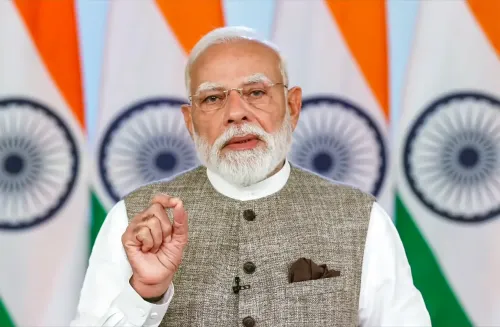
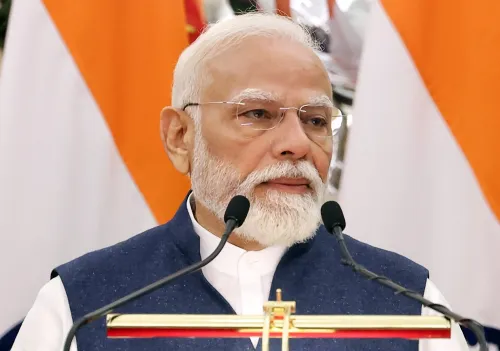
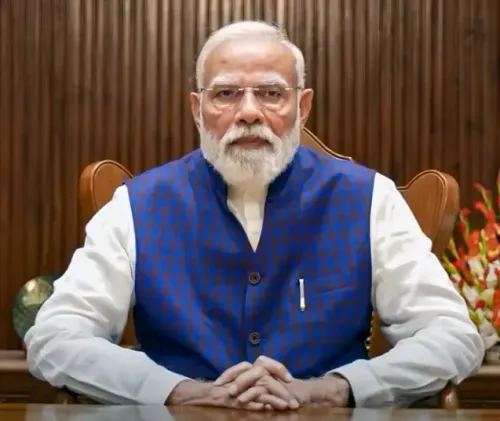
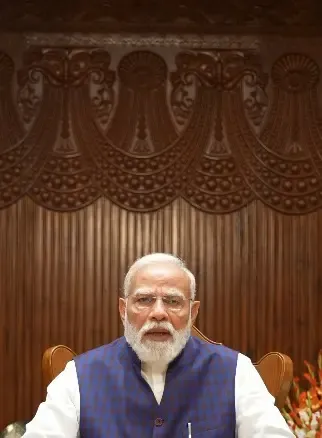
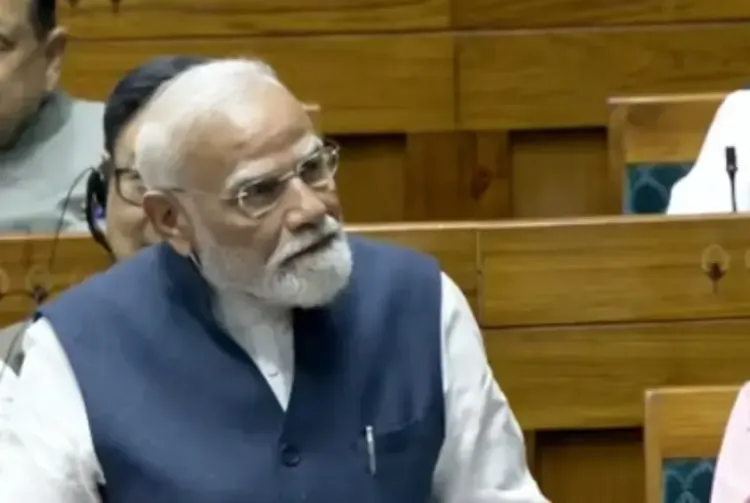
New Delhi, April 16 (NationPress) Prime Minister Narendra Modi stated on Thursday that the Women Reservation Bill is poised to transform the political landscape of the nation by engaging half of the populace in the decision-making process. He emphasized that this initiative will significantly alter the ‘disha and dasha’ (direction and condition) of the country’s governance.
Highlighting the advantages of women's reservation in realizing the vision of Viksit Bharat @2047, PM Modi noted that those who have opposed this initiative have faced repercussions from the women voters.
“We have the unique chance to guide the nation’s political trajectory and fortify democracy,” he urged, calling on political parties to view this opportunity beyond mere political rivalry.
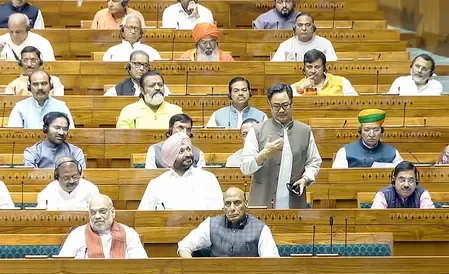
Earlier, the introduction of the Bill received approval in the Lok Sabha on Thursday, following a division of votes in the assembly. This development arose after the Opposition insisted on a recorded vote, prompting a formal division process.
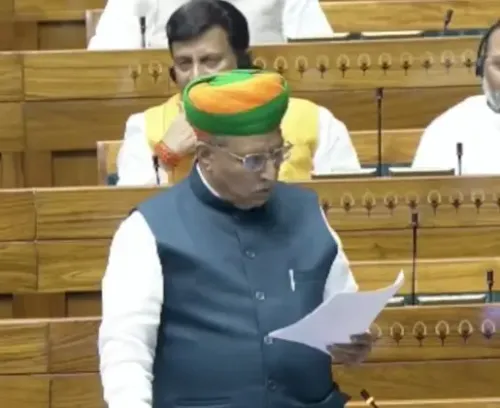
Union Law Minister Arjun Meghwal addressed the House to present the Bill, marking a pivotal advancement in the legislative agenda. This follows a previous round of voting where Members of Parliament supported the Bill's discussion. The Constitution (One Hundred and Thirty-First Amendment) Bill, 2026, alongside the Delimitation Bill 2026 and the Union Territories Laws (Amendment) Bill, 2026, were also introduced.
The Lok Sabha voted in favor of advancing the Constitution (One Hundred and Thirty-First Amendment) Bill, 2026, after the Opposition requested a division. The outcome saw 251 votes in support and 185 against, as declared by Speaker Om Birla, noting that this figure is subject to revision.
Generally, the Lok Sabha relies on voice voting to pass motions, but a division occurs when the result is contested. In these cases, the Automatic Vote Recorder system is employed to log votes categorized under “Ayes”, “Noes”, and “Abstain”.
Following this, vote slips were also utilized during the division proceedings, with a total of 333 members casting their votes and no abstentions recorded during that session.
“If any member wishes to alter their vote, they may request voting via slips,” the Lok Sabha Secretary General previously informed the assembly.
The Opposition pressed for a division as the House engaged in voting on the Women’s Reservation Bill introduction. The motion required a simple majority to pass, and the voting was conducted amidst heightened political involvement.
Lok Sabha Secretary General Utpal Singh provided members with insights into the operation of the automatic vote recording system, reiterating that voice votes are standard practice, although a division may be called upon member demand.
“Votes will not be registered if they are kept pressed before the first gong or are not pressed simultaneously until the second gong. Members can verify their vote on the individual results board,” Singh stated.
“If any member wishes to change their vote, they may request voting through slips,” he added.
Point of View
The introduction of the Women Reservation Bill signifies a pivotal moment in Indian politics. It reflects a larger movement towards inclusivity and the recognition of women's roles in governance, which could lead to more balanced and representative decision-making.
NationPress
23 Sept 2026
Frequently Asked Questions
What is the Women Reservation Bill?
The Women Reservation Bill aims to reserve a certain percentage of seats for women in legislative bodies, promoting gender equality in political representation.
Why is this bill significant?
This bill is significant as it seeks to empower women by ensuring their participation in the political process, which is crucial for a balanced and inclusive democracy.
What did PM Modi say about the bill?
PM Modi stated that the Women Reservation Bill will change the 'disha and dasha' of the nation's politics, involving women in crucial decision-making roles.
How was the bill received in the Lok Sabha?
The bill was approved in the Lok Sabha following a division of votes, with a majority supporting its introduction.
What are the expected outcomes of this bill?
The expected outcomes include enhanced representation of women in politics and the fostering of a more inclusive governance structure.