Bengal Assembly passes Panchayat Amendment Bill 2026: 169-13 vote
Synopsis
West Bengal’s new Panchayat Amendment Bill strips elected rural heads of bill-sanction powers, handing them to bureaucrats — and nine of the 13 votes against came from Mamata Banerjee’s own faction. The 169-13 result masks a deepening Trinamool split that could reshape Bengal’s rural politics.
Key Takeaways
The West Bengal Panchayat (Second Amendment) Bill, 2026 passed on 25 July 2026 with 169 votes in favour and 13 against .
The Bill shifts bill-sanction and signing authority from elected panchayat heads to bureaucrats , while elected heads retain proposal-approval powers.
Nine of the 13 dissenting votes came from the Mamata Banerjee -aligned minority faction of the Trinamool Congress legislative party.
The remaining opposition votes came from two Congress , one CPI(M) , and one AISF legislators; 32 legislators were absent.
The Bill was published in the Kolkata Gazette on 23 July 2026 and amends the West Bengal Panchayat Act, 1973 .
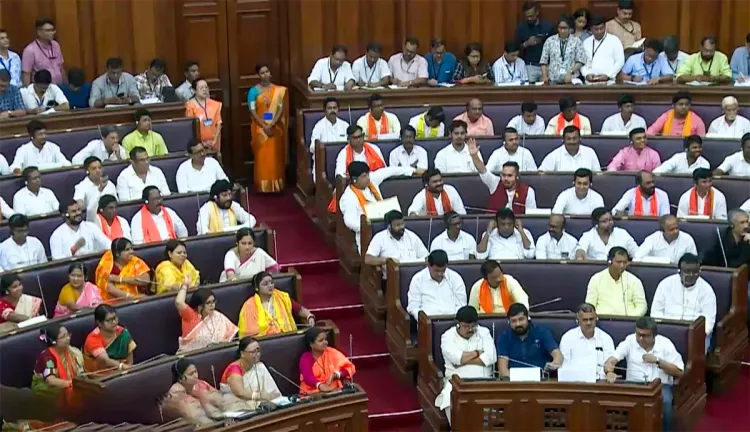
The West Bengal Panchayat (Second Amendment) Bill, 2026, was passed by the West Bengal Legislative Assembly on Saturday, 25 July 2026, with 169 votes in favour and just 13 against — a commanding majority that nonetheless exposed a significant internal split within the ruling dispensation. The legislation, gazetted on 23 July, seeks to substantially restructure the financial and administrative authority of elected heads across all three tiers of the state’s panchayat system.
Key Provisions of the Bill
The amendment targets several provisions of the West Bengal Panchayat Act, 1973, with the primary change being a curtailment of the bill-sanction and signing authority currently held by elected panchayat heads. Under the revised framework, elected representatives will retain the power to approve proposals, but the actual clearing and sanctioning of bills will shift to bureaucrats. The stated objectives are administrative stability, uninterrupted public service delivery, and smoother functioning of rural civic bodies.
What the Government Said
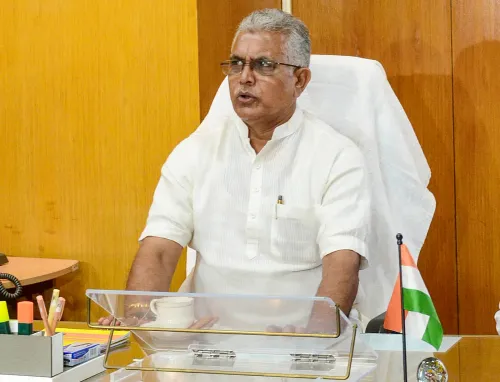
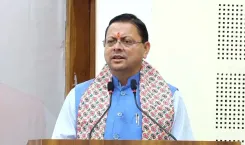
Panchayat Affairs and Rural Development Minister Dilip Ghosh defended the legislation during the Assembly debate, arguing it does not infringe on the constitutional powers of elected panchayat heads. “Rather, it is aiming at curtailing the authority for corruption and commission against rural civic services. Henceforth, the elected panchayat heads will only approve any proposal. But the Bill will be cleared and sanctioned by the bureaucrats,” he said. Ghosh added that the core objective is to ensure money sanctioned for public services is spent solely for that purpose.
Higher Education Minister Jagannath Chattopadhyay, also participating in the debate, trained his criticism on the previous Trinamool Congress-led administration under former Chief Minister Mamata Banerjee. “You ruined the panchayat system. That is why the corrupt panchayat heads have stopped coming to their offices. The public service is getting hampered. The system needs to be changed, and the new Bill is intended to bring about that change,” he said, alleging that a hereditary rather than participatory panchayat culture had taken root over the past 15 years.
Voting Breakdown and Opposition
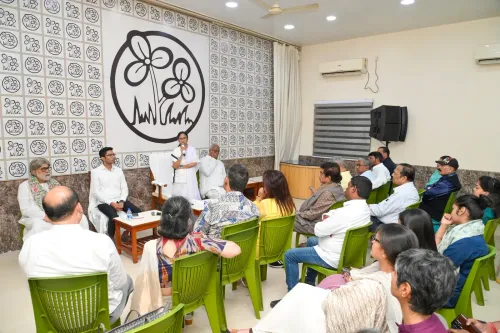
Of the 13 votes cast against the Bill, nine came from legislators belonging to the faction of the Trinamool Congress legislative party aligned with former Chief Minister Mamata Banerjee — described as the ‘original but minority’ grouping. The remaining four dissenting votes came from two Indian National Congress legislators, one CPI(M) legislator, and one All India Secular Front (AISF) legislator. A total of 32 legislators were absent during the voting.
Political Significance
The Bill’s passage lays bare the deepening fracture within the Trinamool Congress, with the Banerjee-aligned minority faction openly defying the ruling majority on a flagship governance measure. This comes amid an ongoing power struggle within the party that has played out across legislative votes in recent months. Critics argue that transferring financial sanction authority from elected representatives to bureaucrats risks undermining the democratic character of the panchayat system — a concern the government has rejected. How the restructured panchayat framework performs on the ground will be closely watched ahead of the next local body elections in West Bengal.
Point of View
However, is the nine Trinamool dissidents: the Banerjee-aligned faction’s open revolt on the floor of the House signals that the party’s internal fracture has moved beyond whispers into recorded votes. If that split deepens, it could complicate governance in a state where panchayat networks are the backbone of political mobilisation.
NationPress
25 Jul 2026
Frequently Asked Questions
What does the West Bengal Panchayat Amendment Bill 2026 change?
The Bill amends the West Bengal Panchayat Act, 1973, to shift bill-sanction and signing authority away from elected panchayat heads to bureaucrats. Elected heads will retain the power to approve proposals, but financial clearance will now rest with officials rather than representatives.
Why did the West Bengal government bring this Bill?
The government says the Bill is aimed at curbing corruption and ensuring that money sanctioned for public services is spent only for those purposes. Ministers cited what they described as a breakdown of panchayat functioning under the previous administration, including elected heads allegedly not reporting to their offices.
Who voted against the Panchayat Amendment Bill?
Thirteen legislators voted against the Bill: nine from the Mamata Banerjee-aligned minority faction of the Trinamool Congress legislative party, two from the Indian National Congress, one from CPI(M), and one from the All India Secular Front (AISF).
What is the significance of the Trinamool dissent in this vote?
Nine legislators from the Mamata Banerjee-aligned faction within the Trinamool Congress voted against the Bill, marking a visible floor-level split within the ruling party. It reflects an ongoing internal power struggle that has become increasingly public in recent months.
When was the Panchayat Amendment Bill published and when was it passed?
The Bill was published in the Kolkata Gazette on 23 July 2026 and was passed by the West Bengal Legislative Assembly on 25 July 2026.