West Bengal BJP govt to tackle bad loan recovery, SC/ST credit gap at SLBC
Synopsis
West Bengal's new BJP government is taking on two entrenched banking problems at once: recovery agents facing intimidation from wilful defaulters, and a credit-to-deposit ratio of 71 against a national average of 82. With SC/ST/OBC borrowers receiving just 6-7% of institutional loans, the government's push for financial inclusion also doubles as political consolidation after sweeping tribal-majority constituencies.
Key Takeaways
The new BJP government in West Bengal has pledged administrative support for bank loan recovery at forthcoming SLBC meetings.
Recovery agents have reportedly faced harassment and physical intimidation, allegedly with local political backing, under the previous administration.
West Bengal's credit-to-deposit ratio stands at 71 , significantly below the national average of 82 .
SLBC data shows only 6 to 7 per cent of institutional loans in FY 2025-26 went to SC, ST, and OBC borrowers.
The BJP swept SC/ST-majority constituencies in the recent assembly elections; TMC failed to win a single tribal-dominated seat.
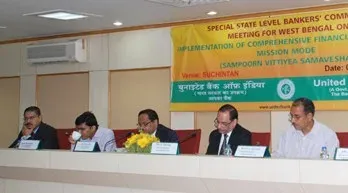
The newly formed Bharatiya Janata Party (BJP) government in West Bengal has signalled a decisive shift in its approach to banking cooperation, pledging administrative support for loan recovery operations and a push to expand institutional credit access for Scheduled Caste (SC), Scheduled Tribe (ST), and Other Backward Class (OBC) communities. The commitments are expected to be taken up at forthcoming State Level Bankers' Committee (SLBC) meetings, which bring together representatives from banks and the state government.
The Recovery Problem
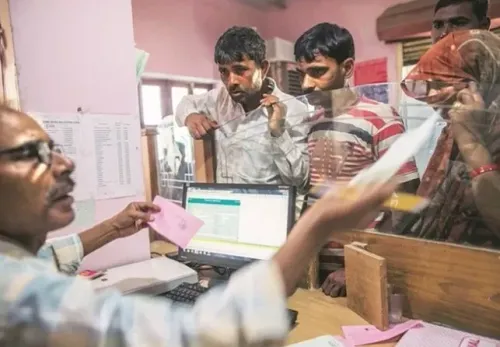
Bankers at SLBC meetings have repeatedly flagged inadequate state backing for loan recovery, particularly against wilful defaulters. According to a senior official at the Nabanna secretariat, recovery agents have at times faced harassment and physical intimidation — allegedly with local political support — leaving them unable to function effectively.
'The new government aims to foster a more cooperative environment in SLBC meetings. While encouraging banks to improve the CD ratio, it will also ensure administrative assistance so that recovery personnel can function without fear,' a state secretariat official said.
The Credit-Deposit Gap
West Bengal's credit-to-deposit (CD) ratio currently stands at approximately 71, well below the national average of 82. State officials have long pressed banks to close this gap, while bankers have argued that the absence of administrative muscle in recovery has dampened their lending appetite. The new government's position — that it will push on both fronts simultaneously — marks a departure from the previous administration's approach, which bankers reportedly found one-sided.
Expanding Credit for Backward Communities
The BJP government has also committed to working with banks to widen loan access for socially marginalised groups. SLBC data for financial year 2025-26 shows that only 6 to 7 per cent of total institutional loans disbursed in the state went to SC, ST, and OBC borrowers — a figure the government has identified as a priority area for improvement.
The Political Context
The focus on backward communities is not incidental. During the recently concluded West Bengal assembly elections, BJP candidates swept constituencies where SC or ST voters formed the majority. Notably, the All India Trinamool Congress (TMC) failed to win a single tribal-dominated assembly seat. Analysts observe that the new government's emphasis on financial inclusion for these communities aligns directly with consolidating its electoral gains in those regions.
What Comes Next
The government's commitments are expected to be formalised through the SLBC framework, with administrative directives likely to follow for district-level officials to support recovery operations. Whether the CD ratio and credit inclusion targets translate into measurable outcomes will depend on the pace of implementation and the degree of coordination between the state bureaucracy and bank branches across West Bengal.
Point of View
Partly because the recovery environment made lending risky; fixing that environment is a prerequisite, not a parallel track. The 6-7% credit share for SC/ST/OBC borrowers is a damning figure that the previous government rarely highlighted at SLBC forums. Whether the new administration moves from signalling to enforcement — issuing binding district-level directives, not just committee assurances — will be the real test. The electoral motive is transparent, but that does not make the policy wrong; it makes accountability more important.
NationPress
19 Sept 2026
Frequently Asked Questions
What is the State Level Bankers' Committee (SLBC) and why does it matter for West Bengal?
The SLBC is a forum where representatives of banks and the state government meet to coordinate credit policy, set targets, and resolve operational issues. In West Bengal, it has become the arena where bankers have repeatedly raised concerns about inadequate administrative support for loan recovery — concerns the new BJP government says it will now address.
Why have bank loan recovery agents faced problems in West Bengal?
According to a senior official at the Nabanna secretariat, recovery agents have faced harassment and physical intimidation from defaulters and their associates, sometimes with alleged local political backing. The absence of state administrative support left agents vulnerable, discouraging active recovery efforts.
What is West Bengal's credit-to-deposit ratio and how does it compare nationally?
West Bengal's credit-to-deposit ratio stands at approximately 71, well below the national average of 82. A lower CD ratio indicates that banks are deploying a smaller share of deposits as loans within the state, which limits economic activity and credit access.
How much of West Bengal's institutional lending reaches SC, ST, and OBC borrowers?
According to SLBC's own data for financial year 2025-26, only 6 to 7 per cent of total institutional loans in the state were disbursed to Scheduled Caste, Scheduled Tribe, and OBC borrowers — a figure the new government has identified as a key area for improvement.
How do the BJP's election results connect to its banking policy focus?
BJP candidates won in constituencies where SC or ST voters form the majority during the recent West Bengal assembly elections, while TMC failed to win a single tribal-dominated seat. The new government's push to expand institutional credit for backward communities is seen as part of a broader development agenda targeting these constituencies.