Bengal SIR: ECI raises ex-judges' honorarium up to ₹2.60 lakh
Synopsis
Lakhs of Bengal voters remain stuck in SIR limbo, and the ECI is now paying retired judges more to clear the backlog. Former Chief Justices will get ₹2.60 lakh a month. A new rule also stops voters from staying ‘pending’ just because a decision awaits an e-signature.
Key Takeaways
The ECI on 27 November 2026 raised the monthly honorarium for former judges on West Bengal's SIR appellate tribunals.
Former Chief Justices will get ₹2.60 lakh and former judges ₹2.50 lakh a month, effective from 20 November .
The ECI asked Chief Secretary Manoj Kumar Agarwal to release pending dues immediately.
More than 60 lakh names were placed on the SIR “pending” list in West Bengal.
Voters whose cases are decided but not yet e-signed need no longer stay pending, and EROs are authorised to decide such cases.
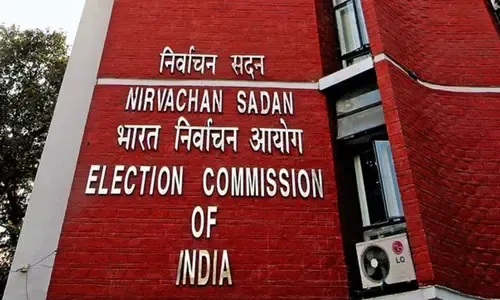
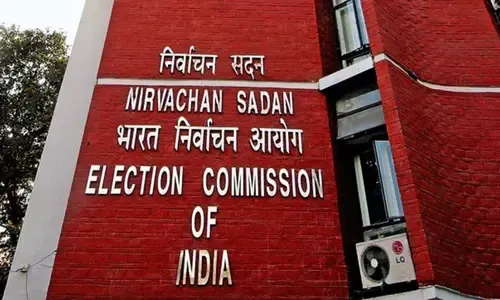
The Election Commission of India (ECI) on Friday, 27 November 2026, approved a hike in the monthly honorarium for former Chief Justices and former judges of the Calcutta High Court. These retired judges sit on the appellate tribunals hearing appeals from voters whose names were deleted during the Special Intensive Revision (SIR) in West Bengal earlier this year. Under the revised guidelines, former Chief Justices will receive ₹2.60 lakh a month and former judges ₹2.50 lakh a month, effective from 20 November.
Key Developments
The Commission has written to West Bengal Chief Secretary Manoj Kumar Agarwal, asking for the honorarium and other expenses owed to the judges to be paid immediately. The revised payments will be calculated from 20 November.
On the same day, the ECI issued a second decision covering voters whose cases are still pending before the tribunals. That one could affect a larger number of people than the pay revision.
Change in Rules for Pending Voter Cases
According to the ECI's fresh notification, some voters have already had their cases decided by a judicial officer, but the decision has not yet been e-signed. Their names no longer need to stay on the pending list only because the e-signature is outstanding.
In such cases, the Commission has authorised the electoral registration officers (EROs) to take decisions. This could clear a procedural bottleneck that has held up the final status of a number of voters.
Background: How the Tribunals Came About
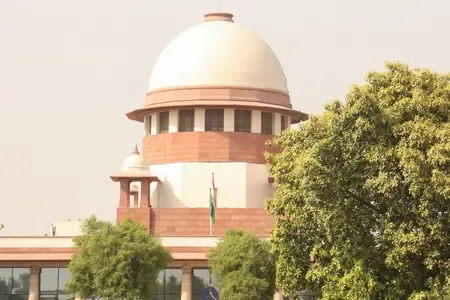
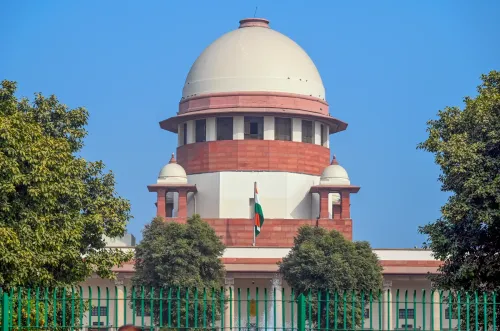
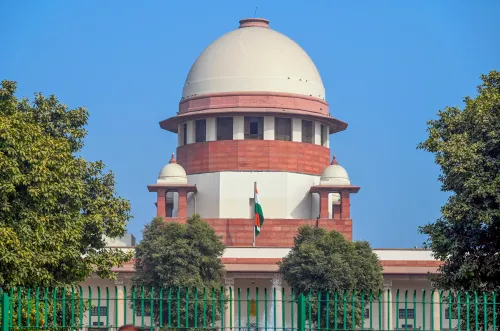
The special appellate tribunals were set up in April on the orders of the Supreme Court. Their job is to dispose of appeals from voters excluded from the final electoral roll after the SIR exercise. The apex court had earlier directed that retired judges be appointed to these tribunals to settle cases involving data discrepancies.
The scale of the task is large. In West Bengal, more than 60 lakh names were placed on the “pending” list under the SIR process.
Many excluded voters have approached the tribunals, claiming they are legitimate electors. Some cases have been resolved, but most remain pending.
Resignations and Operational Strain
The tribunals have had difficulties of their own. Some of the appointed former judges have resigned, including a former Chief Justice of the Calcutta High Court. They cited infrastructural problems and personal reasons.
The higher honorarium and the instruction for immediate payment come against this backdrop of resignations and a large backlog.
What Happens Next
Attention now shifts to how quickly the state administration releases the payments and whether the ERO provision reduces the number of pending names. For lakhs of affected voters in West Bengal, the pace of tribunal hearings will decide whether their names are restored to the rolls in time for future electoral exercises.
Point of View
Which has since lost members to resignations over poor infrastructure. When more than 60 lakh names were left in limbo, the deeper question is why the revision process produced so many disputed entries at all. The e-signature fix is the more meaningful reform, because a pending tag on a decided case should never have been allowed to cost a citizen their vote. Speed and transparency in clearing the backlog, not the size of honoraria, will decide whether public trust in the SIR holds.
NationPress
27 Nov 2026
Frequently Asked Questions
What honorarium will judges on Bengal's SIR tribunals receive?
Former Chief Justices will receive ₹2.60 lakh a month and former judges ₹2.50 lakh a month. The revised rates apply from 20 November, as approved by the ECI on 27 November 2026.
Why were SIR appellate tribunals set up in West Bengal?
They were set up in April on the Supreme Court's orders to hear appeals from voters excluded from the final electoral roll after the Special Intensive Revision. Retired judges were appointed to settle cases involving data discrepancies.
How many voters are affected by the SIR in West Bengal?
More than 60 lakh names were placed on the pending list under the SIR process in West Bengal. Many excluded voters have appealed, and most cases are still pending.
What is the ECI's new rule on e-signatures for pending cases?
If a judicial officer has decided a voter's case but the decision is not yet e-signed, the voter's name no longer has to stay on the pending list. Electoral registration officers have been authorised to take decisions in such cases.
Why did some tribunal judges resign?
Some former judges, including a former Chief Justice of the Calcutta High Court, resigned citing infrastructural problems and personal reasons.