As West Bengal Election Strategies Emerge, Humayun Kabir Seeks Political Allies
Synopsis
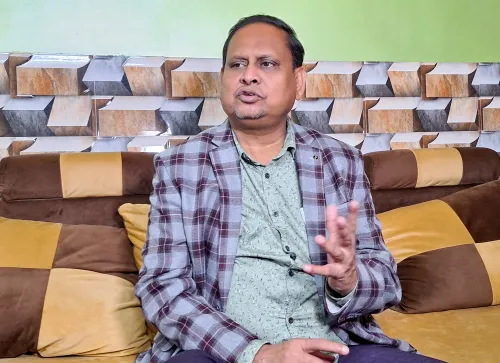
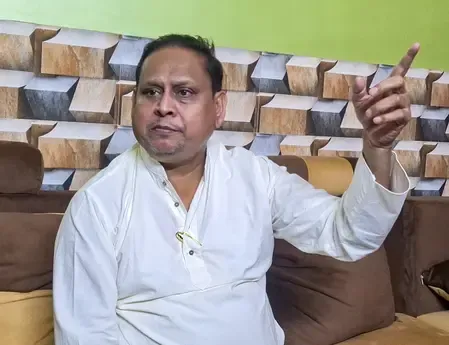
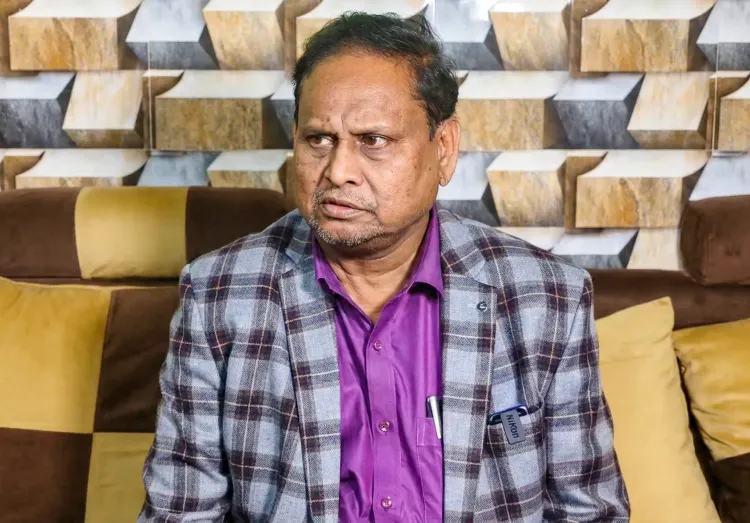
As West Bengal gears up for its Assembly elections, major political players are solidifying their strategies while smaller parties scramble for relevance. Humayun Kabir, a former Trinamool Congress MLA, is on the hunt for alliances to bolster his political presence.
Key Takeaways
The political landscape in West Bengal is evolving , with major parties finalizing their strategies.
Humayun Kabir seeks alliances to strengthen his political presence.
The Left Front faces challenges in securing a united front with its allies.
Minority communities remain a crucial factor in the electoral dynamics.
New Delhi, Feb 25 (NationPress) As the political landscape for the forthcoming West Bengal Assembly elections sharpens, major parties are solidifying their plans while smaller entities strive to assert their presence through alliances.
Reports indicate that the ruling Trinamool Congress is nearing the finalization of its candidate list, while both the Bharatiya Janata Party (BJP) and the Congress are set to compete independently.
The Election Commission has commenced preparations for the elections, with the announcement of the election timetable anticipated shortly.
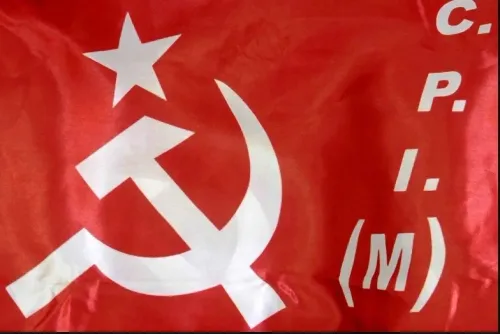
The Left Front, which held power in West Bengal for over thirty years, has yet to finalize its seat-sharing agreement with the Indian Secular Front (ISF). However, the Communist Party of India (Marxist) or CPI(M), its principal faction, is believed to be making headway toward this goal.
Nevertheless, the CPI(M) still requires the backing of its other Left Front partners to formalize this arrangement.
Among these allies, the All India Forward Bloc (AIFB) previously opposed the proposed seat-sharing deal with the ISF and has put forth candidates in various constituencies, despite attempts by CPI(M) leadership to ensure alliance cohesion.
Left Front chairman Biman Bose now faces the challenge of uniting alliance partners to forge a consensus.
Sources have revealed that CPI(M) state secretary Md Salim has once again agreed to allocate the Deganga Assembly constituency to the ISF.
In the 2021 Assembly elections, the AIFB had presented a candidate from Deganga, who finished in fourth place with under 3,000 votes, indicating a significant drop in support compared to the party's performance in 2016.
The Trinamool Congress retained the seat, while the ISF candidate secured second place, trailing by over 32,500 votes.
The Left Front, which had participated in the last Assembly elections in coalition with the Congress, failed to achieve considerable electoral success, with the ISF managing to win only the Bhangar seat, held by its founder Naushad Siddiqui.
The ISF also expressed interest in the Raninagar seat, where the Congress lost to a Trinamool Congress candidate by nearly 80,000 votes, but the CPI(M) is reported to have retained that constituency within the Left Front's allocation.
Naushad Siddiqui is expected to run again from Bhangar, which he currently represents in the 294-member West Bengal Assembly.
Meanwhile, the Janata Unnayan Party (JUP), launched by former Trinamool Congress MLA Humayun Kabir, appears politically marginalized following its high-profile debut coinciding with the foundation-laying ceremony of a proposed replica structure linked to the Babri Masjid.
Kabir, who previously represented the Trinamool Congress, has positioned himself as a potential political influencer and harbors ambitions of becoming a kingmaker post the Assembly elections.
He has explored potential coalitions with the All India Majlis-e-Ittehadul Muslimeen (AIMIM) and the CPI(M), but those attempts have yet to bear fruit.
A recent breakfast meeting between Kabir and CPI(M) state secretary Md Salim drew criticism, leading the Left leadership to seemingly distance itself from any potential agreement.
AIMIM president Asaduddin Owaisi has also expressed interest in broadening the party's footprint in West Bengal following its electoral successes in Muslim-majority areas of Bihar in recent elections.
However, AIMIM's efforts to expand its organizational presence in West Bengal have so far been limited.
Kabir has recently called on CPI(M) leadership to reassess its alliance strategy, although such a shift appears unlikely at this time.
Muslims make up over 30 percent of West Bengal's population, with notably higher concentrations in districts adjacent to Bangladesh.
Political entities have historically sought to consolidate support among minority communities, which remain a crucial factor in the state’s electoral dynamics.
Point of View
The upcoming West Bengal Assembly elections reveal a critical juncture in the state's political arena. Major parties are strategically positioning themselves, while smaller players like Humayun Kabir look to carve out a niche. The evolving alliances will shape the electoral landscape, with minority communities playing a pivotal role.
NationPress
1 Oct 2026
Frequently Asked Questions
What is the significance of the West Bengal Assembly elections?
The West Bengal Assembly elections are crucial as they determine the state's governance and political direction. With significant voter demographics, the outcome can influence national politics.
Who is Humayun Kabir?
Humayun Kabir is a former MLA from the Trinamool Congress who has launched the Janata Unnayan Party and is seeking alliances to enhance his political influence.
What role do minority communities play in West Bengal politics?
Minority communities, particularly Muslims, make up over 30% of West Bengal's population and are essential in shaping electoral outcomes.