Census 2027 self-enumeration data fully protected, says Bengal CM Adhikari
Synopsis
West Bengal has launched Census 2027 self-enumeration — the first digital, caste-inclusive Census in Indian history. Chief Minister Suvendu Adhikari personally inaugurated the process, deploying 14,399 staff and stressing legal data protection, even as he took a pointed swipe at the previous TMC government for delayed preparations.
Key Takeaways
West Bengal officially launched Census 2027 self-enumeration on 1 August , with the window open until 15 August .
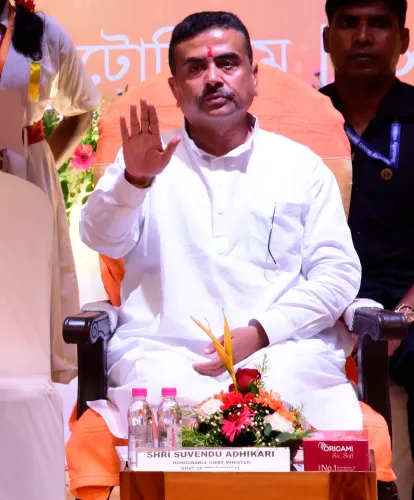
Chief Minister Suvendu Adhikari inaugurated the process by completing his own self-enumeration and assured full legal protection of personal data.
A total of 14,399 state government staff , including 3,400 supervisors , have been deployed for the exercise.
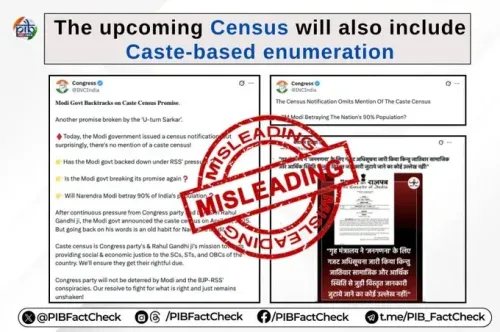
This is India's first 100 per cent digital Census and the first to collect caste-based data .
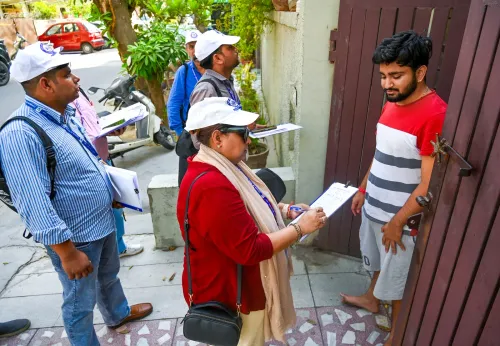
Door-to-door verification by Census workers will follow from 16 August to 15 September .
Adhikari accused the previous TMC government of failing to begin preparatory work on time.
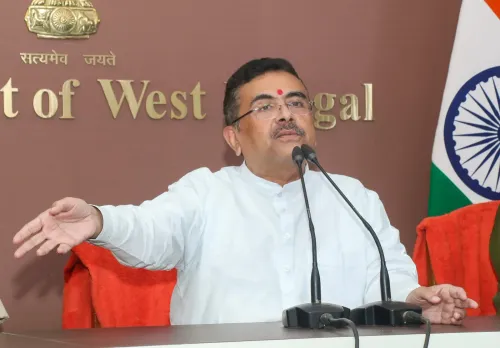
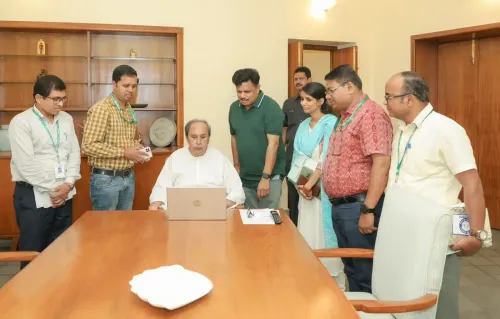
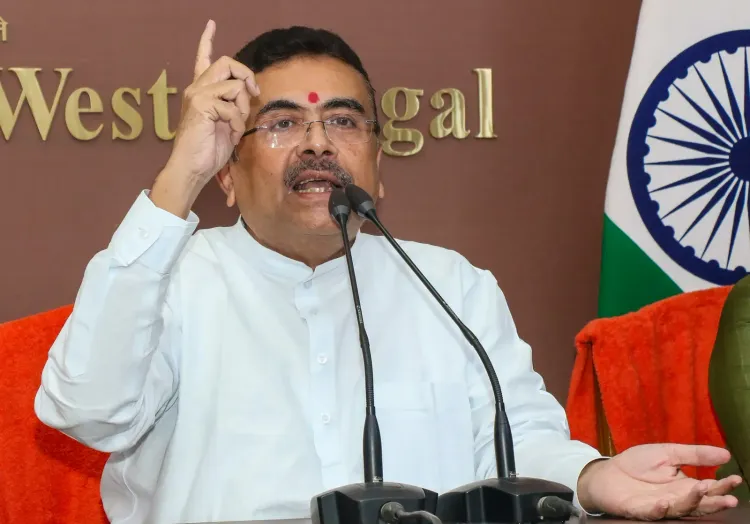
West Bengal Chief Minister Suvendu Adhikari on Saturday, 1 August assured residents that all personal data submitted through the self-enumeration process for Census 2027 will be legally protected and used solely for statistical and developmental purposes. The assurance came as the state officially launched the digital self-enumeration phase, which Adhikari inaugurated symbolically by completing his own enumeration.
Key Developments
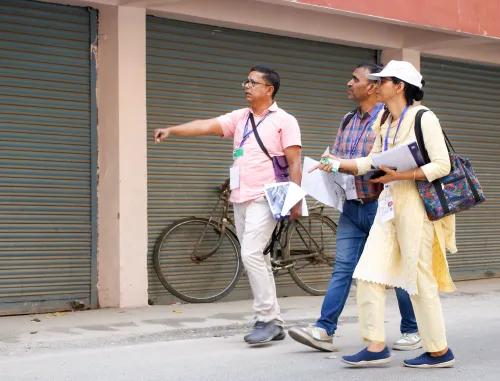
The Census 2027 self-enumeration window runs from 1 August to 15 August, during which citizens can submit household and family information online. Following this phase, Census workers will conduct door-to-door verification from 16 August to 15 September to cross-check and, where necessary, correct submitted data.
A total of 14,399 state government staff have been deployed for the Census exercise, of whom 3,400 are serving as supervisors, according to the Chief Minister.
What the Chief Minister Said
'There are two important things in this year's Census. It is a 100 per cent digital census. Secondly, self-enumeration is being conducted for the first time,' Adhikari said after completing the process himself.
'The information provided by the people of the state will be confidential and legally protected. It will be used only for statistics, planning and development. There is no scope for disclosure or misuse of personal information. The tagline of this time's census is ‘People’s Welfare’. I wish the Census exercise to be successful for the purpose of a developed India,' he added.
First-Ever Caste Census and Digital Infrastructure
This edition of the Census marks two historic firsts: it is the first to be conducted entirely through digital means, and the first to collect caste-based data. A dedicated mobile application has been provided to enumerators, enabling collected information to be uploaded directly to a central server — a shift the administration says will make data collection faster, more accurate, and significantly reduce paper use.
Adhikari noted that the inclusion of caste data will create permanent statistical records, eliminating the need for citizens to stand in separate queues to establish caste credentials for accessing benefits. 'There will be permanent statistics on caste information,' he said.
Political Backdrop
Adhikari also took aim at the previous government led by Mamata Banerjee of the All India Trinamool Congress (TMC), alleging that the prior administration had failed to begin Census preparatory work on time. The claim, made without elaboration, reflects the sharp political divide between the current state leadership and its predecessor.
This comes amid a broader national push to complete the Census, which was delayed significantly from its original schedule. West Bengal's early launch of the self-enumeration phase positions it among the states moving swiftly to meet the revised 2027 deadline.
What Happens Next
Once the door-to-door verification phase concludes on 15 September, data will be consolidated and transmitted to the central government. Citizens will have an opportunity to flag and correct discrepancies during the verification window. The administration has underlined that no personal information will be disclosed or shared beyond its statistical mandate.
Point of View
Caste-inclusive Census in West Bengal is significant beyond administrative logistics — it is a political statement. For the Adhikari government, the caste Census offers an opportunity to consolidate OBC and SC/ST constituencies by promising permanent data-backed entitlements, bypassing the ad hoc queue-based system. The swipe at the Mamata Banerjee administration over delayed preparations is tactical, framing the BJP-led state government as the deliverer of a long-overdue national exercise. The more substantive question — whether the digital infrastructure and data-security assurances can hold up at scale across a state of over 90 million people — remains unanswered and deserves independent scrutiny.
NationPress
16 Sept 2026
Frequently Asked Questions
What is Census 2027 self-enumeration in West Bengal?
Census 2027 self-enumeration is a process launched on 1 August in West Bengal that allows citizens to submit their household and family data online without waiting for a Census worker to visit. It runs until 15 August, after which door-to-door verification begins from 16 August to 15 September.
Is personal data submitted in Census 2027 safe?
West Bengal Chief Minister Suvendu Adhikari has assured that all data submitted through self-enumeration is legally protected and will be used exclusively for statistics, planning, and development. He stated there is no scope for disclosure or misuse of personal information.
Why is Census 2027 historic?
Census 2027 is the first in India to be conducted entirely through digital means and the first to collect caste-based data. A dedicated mobile application allows enumerators to upload information directly to a central server, reducing paper use and improving accuracy.
How many staff are deployed for the Census in West Bengal?
A total of 14,399 state government staff have been deployed for Census 2027 in West Bengal, of whom 3,400 are serving as supervisors, according to Chief Minister Suvendu Adhikari.
What does the caste-based Census mean for citizens?
For the first time, permanent statistical records of caste information will be created, which Adhikari says will eliminate the need for citizens to stand in separate queues to establish caste credentials when accessing government benefits and welfare schemes.