West Bengal Census Phase 1 done: 1.73 lakh HLBs covered by Sep 14
Synopsis
West Bengal has wrapped up all 1,73,066 Houselisting Blocks for Census Phase 1 by the 14 September deadline — covering 99.7% of projected households across hills, plains, and riverine zones. For a state with India's most complex administrative geography, completing this on time is a logistical feat that sets a national benchmark for the long-delayed Census exercise.
Key Takeaways
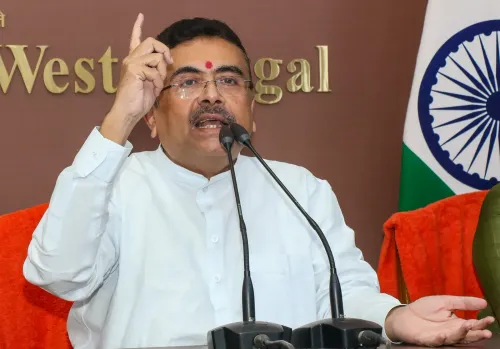
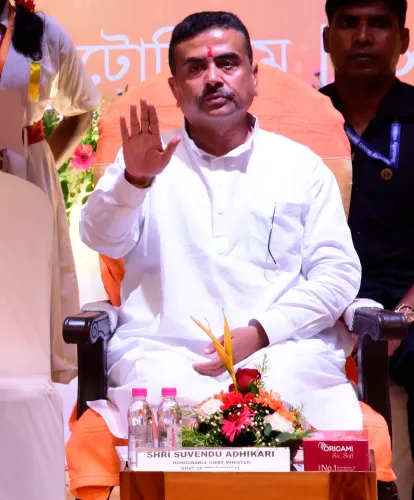
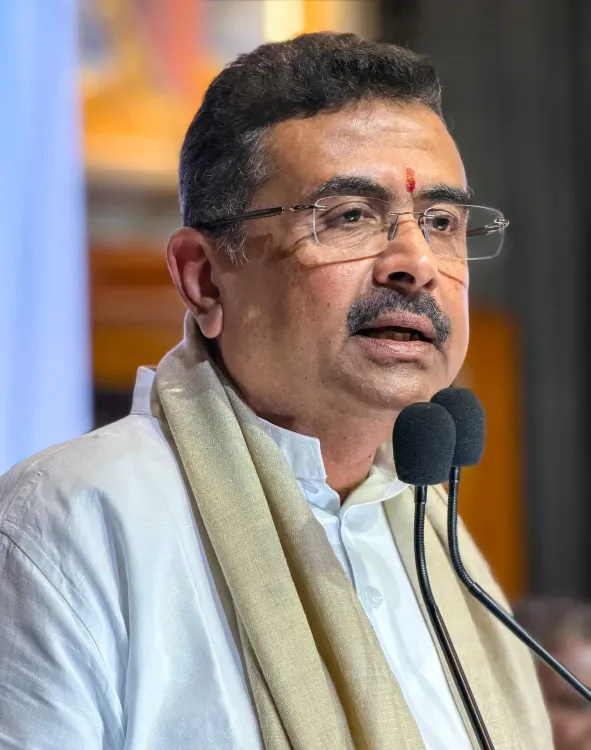
West Bengal completed Census Phase 1 field work by the 14 September deadline, Chief Minister Suvendu Adhikari confirmed on Wednesday.
All 1,73,066 Houselisting Blocks (HLBs) across every district, subdivision, block, and municipality were covered.
More than 3.68 crore census houses ( 3,68,30,150 ) were enumerated against a projected 3.69 crore — a coverage rate of nearly 99.7 per cent .
The operation spanned diverse terrain including hills, plains, and riverine belts across the state.
Phase 1 data will feed into the population enumeration phase; the national Census has been delayed since 2021 due to the Covid-19 pandemic.
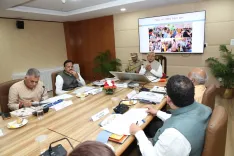
West Bengal has completed the first phase of Census field work ahead of the 14 September deadline, Chief Minister Suvendu Adhikari announced on Wednesday, calling it a 'proud and momentous milestone' for the state. All 1,73,066 Houselisting Blocks (HLBs) across every district, subdivision, block, municipal corporation, and municipality have been covered, according to Adhikari.
Key Figures from the Field Operation
In a post on his official X account, Chief Minister Adhikari stated that more than 3.68 crore census houses — specifically 3,68,30,150 — have been successfully enumerated against a projected target of 3.69 crore. This translates to an enumeration coverage of nearly 99.7 per cent of all expected households, which officials have described as an outstanding operational benchmark.
The exercise covered households across diverse geographies, including hills, plains, and riverine belts — terrain that historically poses logistical challenges for large-scale administrative operations.
What the Chief Minister Said
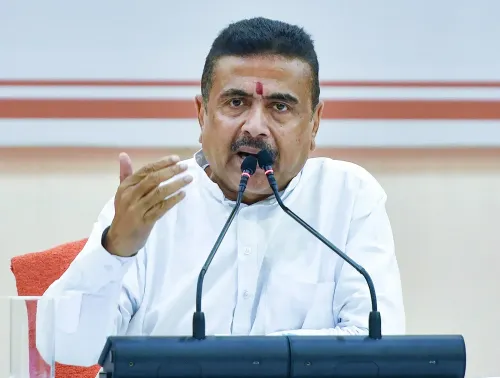
'I am immensely pleased to share that West Bengal has achieved 100 per cent field work completion for Census Phase-1 well within the deadline of September 14. A proud and momentous milestone for West Bengal. Through sheer dedication, meticulous planning and relentless effort, our administrative machinery has covered every corner of the State with remarkable speed and accuracy,' Adhikari said in his X post.
He also acknowledged the role of district-level administration, stating: 'District Magistrates, SDOs, BDOs, Municipal Commissioners, and In Charge Officers for their tireless round-the-clock coordination and leadership' were central to the achievement.
Ground-Level Workforce Credited
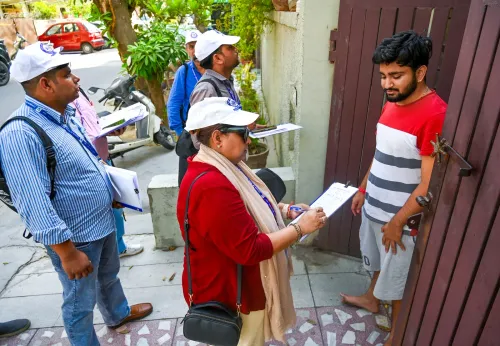
Chief Minister Adhikari credited thousands of grassroots enumerators and supervisors who, he said, 'walked miles in every weather condition, reaching every household across hills, plains and riverine belts.' The acknowledgement underscores the scale of human deployment required to conduct a Census exercise across one of India's most densely populated states.
Notably, West Bengal is among India's most populous states, with a complex administrative geography spanning urban agglomerations, rural blocks, and remote riverine zones — making the 100 per cent HLB coverage figure particularly significant from an operational standpoint.
Citizens' Role Highlighted
Adhikari also extended thanks to the general public, saying: 'My deepest thanks to every Citizen of our State for their warm hospitality, patient cooperation, and proactive participation in opening their doors to our enumerators. When we work together with commitment and unity, West Bengal sets the standard for excellence.'
The Census field work, long delayed from its original schedule, marks a significant administrative step for the state. The data gathered in Phase 1 — the houselisting and housing census — forms the foundational layer for the population enumeration phase that follows.
What Comes Next
Phase 1 data will now be processed and validated before the second phase of the Census — actual population enumeration — is conducted. The broader national Census exercise, delayed since 2021 due to the Covid-19 pandemic, is being watched closely as it will inform policy decisions on welfare schemes, delimitation, and resource allocation across India. West Bengal's on-time completion of Phase 1 sets a benchmark that other states will be measured against.
Point of View
But the real test lies in data quality — not just coverage speed. The national Census has been delayed by over four years, and political pressures around delimitation mean every state's enumeration figures will face intense scrutiny. That Adhikari chose to announce this milestone via a personal X post, rather than through an official government release, also reflects how Census milestones are increasingly being framed as political wins. The phase that truly matters — population enumeration — is still ahead, and accuracy there will determine the credibility of the entire exercise.
NationPress
16 Sept 2026
Frequently Asked Questions
What is Census Phase 1 in West Bengal?
Census Phase 1, also called the houselisting and housing census, involves enumerating all residential structures before the actual population count. West Bengal completed this phase by 14 September, covering all 1,73,066 Houselisting Blocks across the state.
How many houses were enumerated in West Bengal's Census Phase 1?
More than 3.68 crore census houses — specifically 3,68,30,150 — were enumerated, representing nearly 99.7 per cent of the projected 3.69 crore households. Chief Minister Suvendu Adhikari described this as an outstanding operational benchmark.
Why is the Census delayed in India?
India's decennial Census, originally scheduled for 2021, was postponed due to the Covid-19 pandemic and has not yet been fully conducted. West Bengal's completion of Phase 1 is part of the resumed Census exercise being carried out across the country.
What happens after Census Phase 1 is completed?
After Phase 1 data is processed and validated, the second phase — actual population enumeration — will be conducted. The final Census data will inform welfare scheme allocations, parliamentary delimitation, and national resource planning.
Who conducted the Census field work in West Bengal?
The field work was carried out by thousands of grassroots enumerators and supervisors, coordinated by District Magistrates, SDOs, BDOs, Municipal Commissioners, and other district-level officials, according to Chief Minister Suvendu Adhikari.