Bengal polls Phase 2: Adhir Ranjan flags anti-incumbency wave, calls Mamata 'restless'
Synopsis
Congress leader Adhir Ranjan Chowdhury's charge that Mamata Banerjee is 'restlessly' moving booth to booth in Bhabanipur — calling it unprecedented — is the sharpest signal yet that Phase 2 of the West Bengal polls is anything but routine. With a 76.68% six-hour turnout and a baton charge outside the CM's own constituency, the election is already generating heat well beyond the ballot box.
Key Takeaways
Adhir Ranjan Chowdhury claimed an "anti-incumbency wave" in West Bengal during Phase 2 polling on Wednesday .
Voter turnout reached 76.68 per cent in the first six hours — far above the 45.10 per cent recorded in the same window during the 2024 Lok Sabha polls .
Central forces carried out a baton charge in Bhabanipur to disperse agitated TMC supporters; Suvendu Adhikari filed a complaint with the Chief Electoral Officer .
Bhabanipur is the high-profile contest between CM Mamata Banerjee and Leader of Opposition Suvendu Adhikari .
Phase 2 covers 142 constituencies across six districts , monitored by 142 general observers and 95 police observers .
No casualties or large-scale voter intimidation reported as of latest updates.
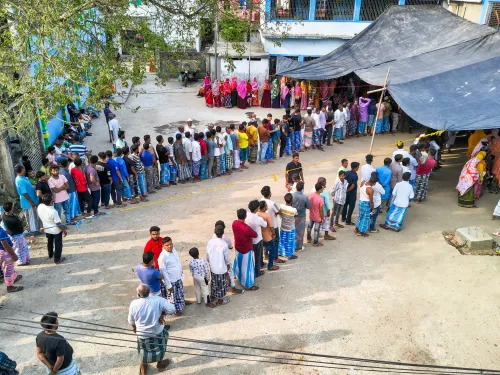
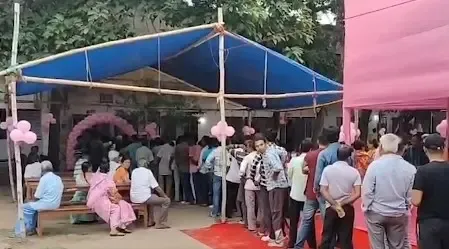
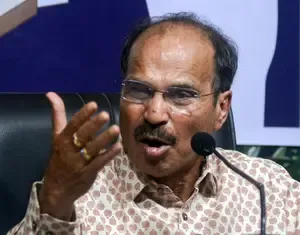
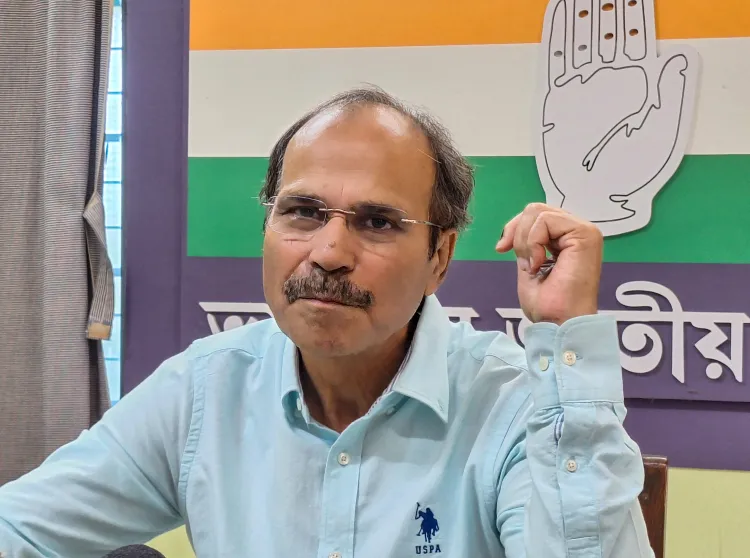
Congress leader Adhir Ranjan Chowdhury on Wednesday claimed that an "anti-incumbency wave" is sweeping West Bengal, and suggested that Chief Minister Mamata Banerjee appears "restless" as voting continued across 142 constituencies in the second phase of the West Bengal Assembly elections. The remarks came as voter turnout in the first six hours — till 3 pm — touched 76.68 per cent, significantly higher than the 45.10 per cent recorded during the same window in the 2024 Lok Sabha polls.
Chowdhury's Claims on Anti-Incumbency
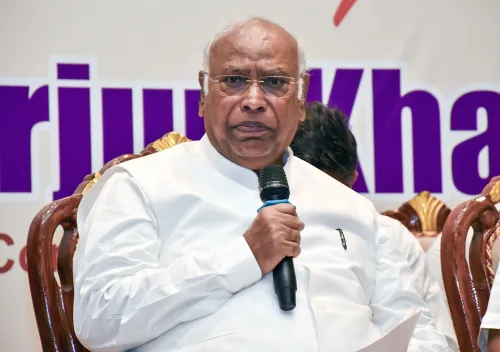
Speaking to reporters, Chowdhury said, "There is an anti-incumbency wave, but in this wave, which party will benefit, it's tough to say now because the votes of the opposition will be divided. However, if the Trinamool's vote remains intact, then they will definitely benefit. However, one thing is clear: there is an anti-incumbency wave in Bengal and the real question is who will benefit from it."
He added that the ruling All India Trinamool Congress (TMC) could still hold its ground if its core vote bank consolidates, but acknowledged that a split opposition vote makes the outcome unpredictable. The Congress leader's remarks reflect a broader unease within opposition ranks about translating public discontent into electoral gains.
Mamata's Constituency Activity Draws Attention
Chowdhury also took aim at Chief Minister Mamata Banerjee's visible campaign activity in her own constituency of Bhabanipur, in South Kolkata. "For the first time, we are seeing Mamata Banerjee restlessly roaming around and interacting with the voters. This is the first time we are seeing her going from one booth to another in her constituency. This is unprecedented. I feel that Mamata Banerjee is not confident of her win, which is why she seems so restless," he said.
Bhabanipur is witnessing a high-profile contest between Chief Minister Mamata Banerjee and Leader of Opposition Suvendu Adhikari, making it one of the most closely watched seats of this election cycle.
Tensions in Bhabanipur, Baton Charge Reported
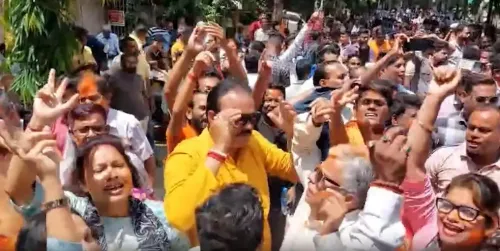
Tensions flared in the Bhabanipur Assembly constituency during polling, where central forces resorted to a baton charge to disperse agitated TMC supporters. The situation further escalated in the Kalighat area — located close to the Chief Minister's official residence — where TMC workers staged protests and raised slogans against Adhikari.
Following the incident, Suvendu Adhikari lodged a formal complaint with the Chief Electoral Officer of West Bengal. Authorities attributed the relative containment of violence to the deployment of central forces under the surveillance of 142 general observers and 95 police observers — up from 84 in the first phase. No casualties or major injuries were reported, and large-scale voter intimidation was not recorded as of the latest updates.
Phase 2 Polling: Scale and Turnout
The second phase covers 142 constituencies spread across six districts of West Bengal. The 76.68 per cent turnout recorded in the first six hours is substantially higher than the corresponding figure from the 2024 general elections, signalling strong voter engagement — though analysts caution against reading turnout alone as a directional indicator for any single party.
Sporadic reports of poll-related violence and disruption emerged from certain pockets since morning, but officials maintained that no large-scale incidents were confirmed. The heightened deployment of central forces has been widely credited for keeping the situation largely under control.
What to Watch Next
With the second phase underway, attention will now shift to the remaining phases and whether the anti-incumbency sentiment Chowdhury describes translates into seat gains for the opposition — or whether TMC's organisational strength and consolidated vote bank blunts any wave. The Bhabanipur result, in particular, will be seen as a referendum on Mamata Banerjee's personal standing in the state.
Point of View
And the optics matter. Yet the Congress leader's simultaneous admission that a divided opposition may squander the anti-incumbency wave is a candid confession of the coalition's structural weakness. High turnout in Phase 2 is being read as enthusiasm, but in Bengal's fractured political landscape, enthusiasm has historically favoured the party with the superior ground machine — which, for now, remains TMC. The real story is not whether there is a wave, but whether anyone is positioned to ride it.
NationPress
21 Sept 2026
Frequently Asked Questions
What did Adhir Ranjan Chowdhury say about the West Bengal elections?
Congress leader Adhir Ranjan Chowdhury claimed there is an 'anti-incumbency wave' in West Bengal during Phase 2 polling. He also said Chief Minister Mamata Banerjee appeared 'restless' and was unusually active in her own Bhabanipur constituency, suggesting she lacked confidence in her win.
What happened in Bhabanipur during Phase 2 polling?
Central forces resorted to a baton charge in the Bhabanipur Assembly constituency to disperse agitated TMC supporters. Tensions also escalated in the nearby Kalighat area, prompting Leader of Opposition Suvendu Adhikari to file a complaint with the Chief Electoral Officer of West Bengal.
How was voter turnout in West Bengal Phase 2 polling?
Voter turnout in the first six hours of Phase 2 polling stood at 76.68 per cent as of 3 pm — substantially higher than the 45.10 per cent recorded during the same period in the 2024 Lok Sabha elections, indicating strong voter engagement.
How many constituencies are voting in Phase 2 of the West Bengal Assembly elections?
Phase 2 covers 142 constituencies spread across six districts of West Bengal. The polling is being monitored by 142 general observers and 95 police observers, up from 84 in Phase 1.
Who is contesting from Bhabanipur in the West Bengal Assembly elections?
Bhabanipur is witnessing a high-profile contest between Chief Minister Mamata Banerjee and Leader of Opposition Suvendu Adhikari, making it one of the most closely watched constituencies of this election cycle.