Bengal BJP govt scraps imam, purohit stipends; Congress cries 'political ambition'
Synopsis
West Bengal's new BJP government has scrapped state allowances for both imams and purohits — ending a TMC-era scheme in one of its first Cabinet decisions. The move is being framed as secular neutrality, but the Congress sees a post-election reversal driven by political ambition rather than principle.
Key Takeaways
The BJP -led West Bengal Cabinet has decided to discontinue state stipends for both imams and purohits , effective June 2025 .
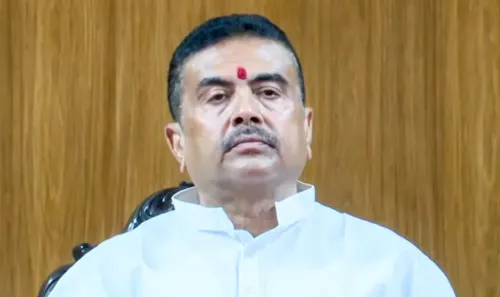
Chief Minister Suvendu Adhikari has stated he governs for the entire state, not for any specific community.
Congress MLA Aradhana Misra-Mona accused the BJP of changing its stance after electoral victory for 'political ambition.' BJP leader T.R.
Srinivas cited the previous government's alleged allocation of ₹5,700 crore to minority affairs against just ₹155 crore for science and technology.
Jamiat Ulema district secretary Mohammad Ashraf Ali Qasmi said the move will not financially impact religious leaders as they draw salaries from their respective places of worship.
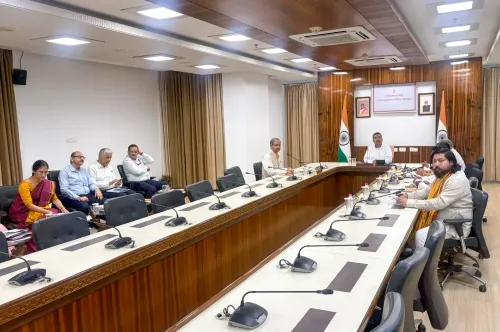
The Bharatiya Janata Party (BJP)-led West Bengal government has decided to discontinue state-funded allowance schemes for both imams (Muslim priests) and purohits (Hindu priests), effective June 2025. The decision, taken at the new government's second Cabinet meeting, ends a stipend structure that had been in place under the previous administration of former Chief Minister Mamata Banerjee.
Key Developments
Chief Minister Suvendu Adhikari has maintained that he governs for all of West Bengal, not for any particular community or religion. The Cabinet's move to scrap both the imam and purohit allowances simultaneously has been framed by the ruling party as a step toward secular governance — treating all religious communities equally by extending benefits to none through the state exchequer.
What the Congress Said
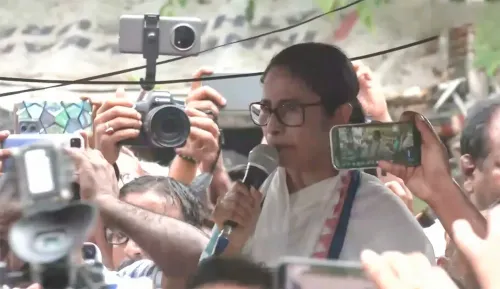
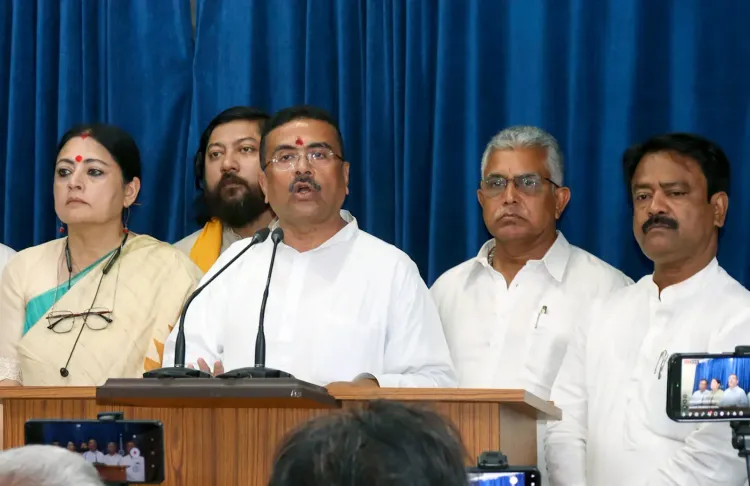
Congress MLA Aradhana Misra-Mona accused the BJP of reversing positions taken during the election campaign solely for political gain. 'The issue is that making statements only for political gain during elections, and then changing those statements or actions after elections, is a clear example of political ambition,' she said. Notably, Misra-Mona also acknowledged the positive aspect of Adhikari's stated commitment to govern for all communities, calling that stance 'a good thing.'
What the BJP Said
BJP leader T.R. Srinivas defended the Cabinet decision as 'a very positive development' under Chief Minister Adhikari. He cited figures from the previous government's interim budget, claiming that the Banerjee administration allocated just ₹155 crore for science and technology while directing ₹5,700 crore to the Minority Affairs and Madrasa Education Department. 'We are now doubting what she wanted to do,' Srinivas said, adding that the new government believes in 'India first, Nation first.'
Community Leaders Respond
District Secretary of Jamiat Ulema in Kolkata, Mohammad Ashraf Ali Qasmi, offered a measured response. He noted that the previous government had allocated allowances to religious leaders in recognition of their community services, but clarified that the discontinuation would not materially affect imams or purohits since both groups draw primary salaries from their respective mosques and temples. 'Both religious leaders get salaries from the mosques and temples respectively,' Qasmi said. He added that he supports the decision 'if it has been taken in order to not create biases amid religions,' and stressed that it is the government's duty to work for all citizens across healthcare, education, and other public services — irrespective of religion.
Broader Context
The stipend schemes for imams and purohits were introduced during the Trinamool Congress (TMC) government's tenure and had long drawn criticism from opposition parties who argued they amounted to state patronage of religious institutions. The BJP's decision to scrap both simultaneously attempts to neutralise charges of religious favouritism, though critics from the Congress argue the move is more about political optics than principled governance. This comes amid a broader national debate about the appropriate role of state funding in religious affairs.
How the new West Bengal government manages the balance between community outreach and secular governance is likely to remain a defining political test in the months ahead.
Point of View
And now governing on that promise looks less like conviction and more like convenient optics. The deeper question the mainstream coverage is missing is structural: state-funded religious stipends — regardless of which community receives them — sit uneasily with constitutional secularism. Bengal's new government has an opportunity to set a principled precedent, but only if the savings are visibly redirected to non-sectarian public services. Without that, this is a budget line change dressed as a values statement.
NationPress
7 Oct 2026
Frequently Asked Questions
Why has the West Bengal government scrapped imam and purohit allowances?
The BJP-led West Bengal Cabinet decided to discontinue state-funded stipends for both imams and purohits from June 2025, framing the move as a step toward equal treatment of all religious communities. Chief Minister Suvendu Adhikari has said he governs for the entire state and not for any particular section or community.
When will the allowance schemes be discontinued?
The discontinuation is set to take effect from June 2025, as decided at the new BJP government's second Cabinet meeting in West Bengal.
What has the Congress said about the decision?
Congress MLA Aradhana Misra-Mona accused the BJP of making election-time statements for political gain and reversing them after winning power, calling it 'a clear example of political ambition.' She did, however, welcome Adhikari's stated commitment to govern for all communities.
Will imams and purohits be financially affected by this decision?
According to Jamiat Ulema district secretary Mohammad Ashraf Ali Qasmi, the discontinuation will not significantly impact religious leaders since both imams and purohits draw primary salaries from their respective mosques and temples, and were not dependent on the state allowance.
What did the BJP say about the previous government's religious spending?
BJP leader T.R. Srinivas claimed that the Mamata Banerjee government allocated ₹5,700 crore to the Minority Affairs and Madrasa Education Department in its interim budget, compared to just ₹155 crore for science and technology, questioning the previous administration's spending priorities.