Bengaluru mass murder: Police weigh legal options for accused Indushekar's daughter
Synopsis
Seven members of a single family allegedly murdered over 20 days, bodies dumped across Karnataka and Tamil Nadu — and now Bengaluru police face an unusual legal puzzle: Indushekar's daughter, accused of helping lure victims and dispose of bodies, was a minor when the killings happened but has since turned 18, putting her legal fate in an uncertain zone between the Juvenile Justice Board and adult criminal law.
Key Takeaways
Bengaluru police are examining legal provisions applicable to the daughter of mass murder accused Indushekar , who was a minor during the alleged killings but has recently turned 18 .
She is accused of helping lure seven family members to the house and assisting her father in disposing of the bodies across Karnataka and Tamil Nadu .
All seven bodies have been recovered, including that of 10-year-old Puneeth ; final rites have been performed.
The alleged killings took place over approximately 20 days , between 14 October and 3 November .
Indushekar reportedly cited mental harassment and property disputes as motives, though police suspect additional reasons and are continuing to verify his claims.
If adult criminal provisions cannot be applied, the daughter may have to be produced before the Juvenile Justice Board , which would also need to grant permission for her questioning.
The Bengaluru police are examining legal provisions applicable to the daughter of Indushekar, the prime accused in the Bengaluru mass murder case, after she recently turned 18 — having been a minor at the time the alleged killings took place. Investigators confirmed on Thursday, 12 November 2026, that they are verifying documents to establish her exact age at the time of the offences, while simultaneously seeking guidance from legal experts and studying relevant court precedents.
The Legal Complexity at the Centre
Under Indian law, persons aged between 16 and 18 who are alleged to have committed serious offences — including murder — can, in the rarest of rare cases, be assessed for their capacity to understand the consequences of their actions. Police are exploring whether such provisions apply here, given the gravity of the alleged crime. Investigators are also assessing the mental capacity of Indushekar's daughter as part of that determination.
If the police are unable to proceed under provisions applicable to serious juvenile offenders, she may have to be produced before the Juvenile Justice Board. Any interrogation of her would also require the Board's prior permission, adding a procedural layer to an already complex investigation.
Her Alleged Role in the Killings
According to investigators, Indushekar's daughter allegedly assisted her father in killing and disposing of the body of her mother, Sunitha. Police suspect she helped lure relatives — including her paternal grandmother, uncles, and aunts — to the family home by contacting them and inviting them over, reportedly claiming she wanted to eat non-vegetarian food because her mother had gone away. After her father allegedly killed the relatives at the house, she is suspected of having assisted in transporting and disposing of the bodies at multiple locations across Karnataka and Tamil Nadu.
Investigators are currently questioning her to establish the precise extent of her alleged involvement and are cross-checking her statements with other evidence gathered so far.
All Seven Bodies Recovered, Motive Under Scrutiny
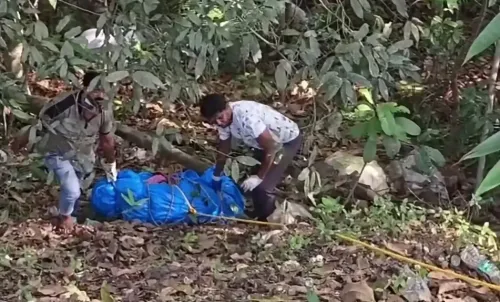
Police have recovered all seven bodies in this case — a task that took teams working around the clock for four days across multiple states. The victims were Indushekar's wife Sunitha, mother-in-law Roopavathi, brothers-in-law Shivakumar and Shankar, sisters-in-law Divya and Nalini, and 10-year-old Puneeth, Shankar's son. The bodies were handed over to respective families after legal formalities, and the final rites have been performed.
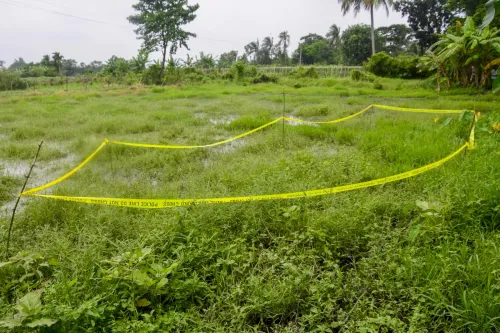
The bodies of Sunitha and Roopavathi were traced near Salem in Tamil Nadu. Those of Shivakumar and Divya were recovered from gorges along the road at Chamundi Hills in Mysuru. Shankar and Nalini's bodies were found in the dense forest region of Shiradi Ghat, spanning parts of Hassan and Mangaluru districts. The body of young Puneeth was discovered near Nandi Hills on the outskirts of Bengaluru.
What the Accused Has Said
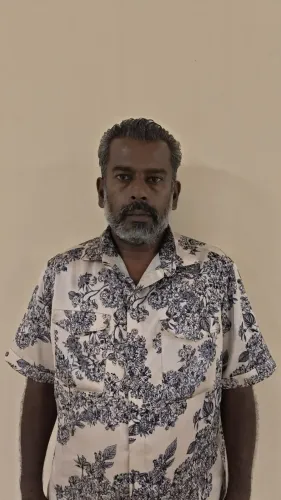
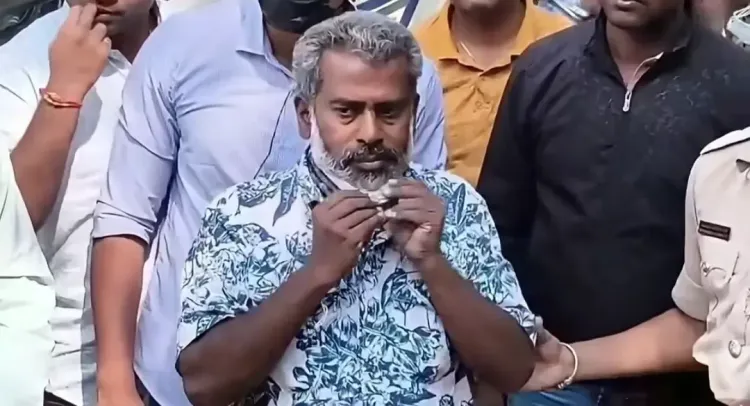
Indushekar — also identified as Indu Shekar or Sekar — was arrested by the Rajajinagar police in Bengaluru. During preliminary questioning, he reportedly told investigators that mental harassment by his wife and her family, combined with property-related disputes, drove him to commit the murders. The alleged killings are believed to have occurred over approximately 20 days, between 14 October and 3 November, with victims allegedly lured to his house in the Rajajinagar-Bhashyam Circle area under the pretext of family gatherings before being killed and their bodies transported to different locations.
However, police suspect there may be additional motives beyond those stated by the accused, and are continuing to cross-verify his claims. Notably, a 10-year-old boy reportedly survived the incident. The investigation remains active as authorities work to establish a definitive motive and the full chain of events.
What Happens Next
The legal fate of Indushekar's daughter hinges on the outcome of ongoing document verification and expert consultations. If authorities conclude she was between 16 and 18 at the time of the offences, the question of whether she understood the consequences of her alleged actions will be central to determining which legal framework applies. The case has drawn significant attention for both its scale — seven members of a single family killed — and the alleged involvement of the accused's own child in the crimes.
Point of View
But it hinges on a mental capacity assessment — a process that is both time-consuming and contested in Indian courts. What is striking here is the alleged orchestration: not just passive knowledge, but active luring of victims and disposal of evidence. If the prosecution cannot clear the juvenile framework hurdle, it risks a significantly lower sentencing ceiling for someone accused of a central role in seven deaths. The case will test how robustly investigators have documented her alleged conduct, independent of her father's statement.
NationPress
12 Nov 2026
Frequently Asked Questions
What is the Bengaluru mass murder case involving Indushekar?
It is a case in which Indushekar , also known as Indu Shekar or Sekar, is accused of killing seven members of his wife's family over approximately 20 days between 14 October and 3 November 2026 , disposing of their bodies across Karnataka and Tamil Nadu. All seven bodies have since been recovered by police.
What is the alleged role of Indushekar's daughter in the murders?
According to investigators, Indushekar's daughter allegedly helped lure relatives to the family home by contacting them and inviting them over under a false pretext. She is also suspected of assisting her father in killing her mother and in disposing of the bodies at multiple locations across Karnataka and Tamil Nadu.
Why is the daughter's legal status complicated?
She was a minor at the time the alleged killings took place but has recently turned 18. Under Indian law, persons aged 16 to 18 accused of heinous offences may be tried as adults only in the rarest of rare cases, based on a mental capacity assessment. If this threshold is not met, she would have to be dealt with by the Juvenile Justice Board.
Where were the victims' bodies found?
The seven bodies were recovered from multiple locations: Sunitha and Roopavathi near Salem in Tamil Nadu; Shivakumar and Divya from gorges at Chamundi Hills in Mysuru; Shankar and Nalini from the Shiradi Ghat forest region; and 10-year-old Puneeth near Nandi Hills on the outskirts of Bengaluru.
What motive has the accused given for the killings?
Indushekar reportedly told investigators during preliminary questioning that mental harassment by his wife and her family, along with property-related disputes, led him to commit the murders. However, police suspect there may be additional motives and are continuing to verify his statements.