Bhagalpur entrepreneur credits PM Mudra Yojana, PMEGP for business growth
Synopsis
A Bhagalpur concrete products maker took a ₹5 lakh Mudra loan in 2021, scaled up with a ₹30 lakh PMEGP loan in 2024, and now employs multiple workers — a micro-level data point in the larger debate over whether India's flagship credit schemes are genuinely moving the needle on grassroots entrepreneurship in Bihar.
Key Takeaways
Rajeev Pradeep of Bhagalpur, Bihar availed a ₹5 lakh loan under PM Mudra Yojana in 2021 .
He later secured a ₹30 lakh loan under PMEGP in 2024 to expand his concrete products manufacturing unit.
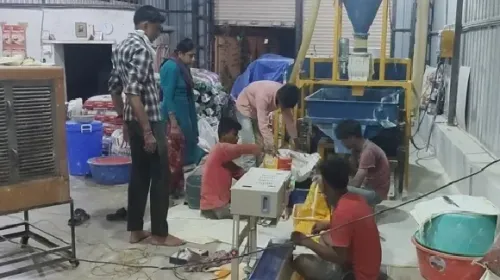
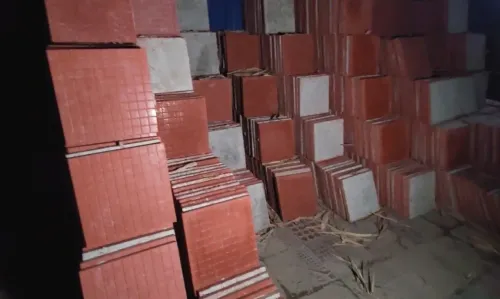
His unit produces pavers, chequered tiles, and RCC benches, employing multiple local workers.
Workers at his unit have also accessed welfare schemes including Ujjwala Yojana .
Rajeev highlighted the direct benefit transfer (DBT) system for eliminating middlemen in subsidy delivery.
Infrastructure projects including a four-lane road , marine drive , and Ganga bridge work are reportedly underway in Bhagalpur.
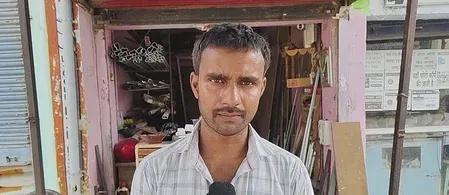
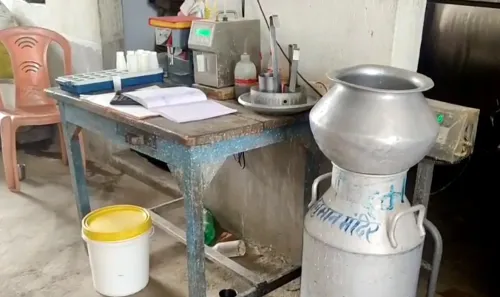
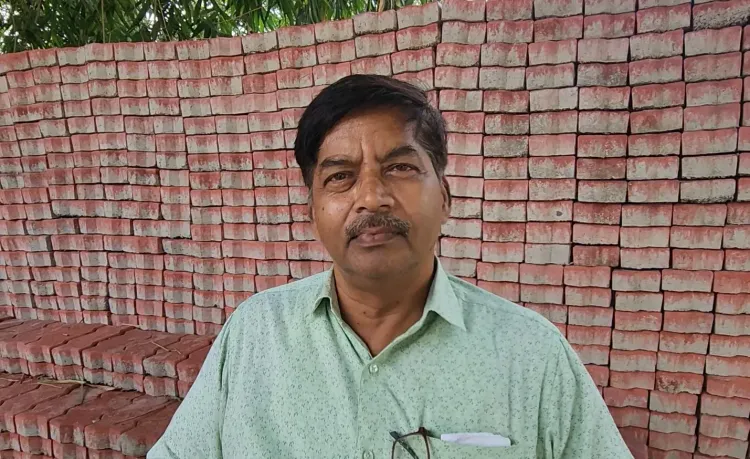
A concrete products manufacturer in Bhagalpur, Bihar, has credited two Central government schemes — the PM Mudra Yojana and the Prime Minister's Employment Generation Programme (PMEGP) — for enabling him to build and scale his enterprise, generating local employment in the process. The account offers a ground-level view of how federal welfare financing is playing out in one of Bihar's major urban centres.
From a ₹5 Lakh Loan to a Growing Manufacturing Unit
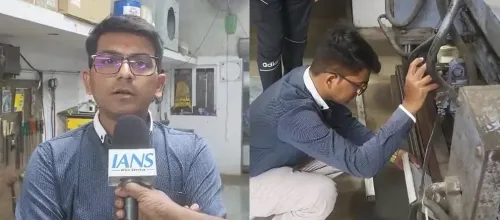
Rajeev Pradeep, who runs a concrete products manufacturing unit in Bhagalpur, availed his first loan of ₹5 lakh under the PM Mudra Yojana in 2021. Buoyed by early business growth, he subsequently secured a larger loan of ₹30 lakh under PMEGP in 2024. The capital allowed him to manufacture pavers, chequered tiles, and RCC benches — products with steady demand in urban infrastructure projects.
'In the beginning, we took advantage of Prime Minister Narendra Modi's Mudra Yojana. The work improved, and later, through PMEGP, we received a substantial loan. Today, we are in a strong position and doing good work. Many workers are associated with me, and they are also benefiting through these schemes,' Rajeev said.
Workers Also Benefit from Welfare Initiatives
Rajeev noted that workers employed at his unit have also accessed government welfare programmes, including the Ujjwala Yojana, which provides subsidised LPG connections to low-income households. He highlighted the government's direct benefit transfer (DBT) system as a key enabler, saying it has eliminated intermediaries and ensured timely, discrimination-free disbursement of funds directly into beneficiaries' bank accounts.
'Now there is no role for middlemen. The money comes directly into our accounts,' he said, crediting the system's efficiency as a meaningful improvement over earlier delivery mechanisms.
Infrastructure Push Reshaping Bhagalpur
Beyond his own enterprise, Rajeev pointed to broader infrastructure development as evidence of regional progress. He cited ongoing work on a four-lane road, a marine drive, airport-related projects, Greenfield Road construction, and the Ganga bridge as visible indicators of Bhagalpur's transformation. 'Bhagalpur is changing rapidly, and there is much more to come,' he said.
This comes amid the Modi government marking 12 years in office, with the ruling dispensation increasingly highlighting grassroots success stories from its flagship schemes as part of its outreach narrative. PM Mudra Yojana, launched in 2015, has disbursed loans to millions of micro-entrepreneurs nationally; PMEGP, administered through the Khadi and Village Industries Commission (KVIC), targets employment creation in rural and semi-urban areas.
Broader Context
Bihar remains one of India's lower-income states, and access to formal credit has historically been a significant barrier for small entrepreneurs in districts like Bhagalpur. Accounts such as Rajeev's reflect the stated intent of collateral-free lending schemes, though independent assessments of aggregate employment outcomes under PMEGP and Mudra have produced varied findings. As of recent government data, PM Mudra Yojana has cumulatively sanctioned loans worth several lakh crore rupees since inception, with a significant share directed at first-generation entrepreneurs.
Whether individual success stories translate into measurable district-level employment gains remains a question that policy researchers continue to examine.
Point of View
At the aggregate level, produce contested data. PM Mudra Yojana has been praised for democratising credit access but critiqued for high non-performing asset ratios in some categories; PMEGP's employment multiplier has been questioned in independent audits. The Bihar context matters — formal credit penetration in the state remains below the national average, making even incremental gains significant. But one entrepreneur's account, however credible, cannot substitute for district-level impact assessments that the government has been slow to commission or publish.
NationPress
23 Sept 2026
Frequently Asked Questions
What is PM Mudra Yojana and how did it help this Bhagalpur entrepreneur?
PM Mudra Yojana is a Central government scheme that provides collateral-free loans to micro and small enterprises. Rajeev Pradeep of Bhagalpur used a ₹5 lakh Mudra loan in 2021 to start his concrete products manufacturing unit making pavers, chequered tiles, and RCC benches.
What is PMEGP and what loan did the Bhagalpur businessman receive?
The Prime Minister's Employment Generation Programme (PMEGP) is a credit-linked subsidy scheme administered through KVIC to create employment in rural and semi-urban areas. Rajeev Pradeep secured a ₹30 lakh PMEGP loan in 2024 to expand his existing manufacturing business in Bhagalpur.
How has the direct benefit transfer system benefited workers in Bhagalpur?
According to Rajeev Pradeep, the DBT system has removed intermediaries from welfare delivery, ensuring funds reach beneficiaries directly in their bank accounts without delays or discrimination. Workers at his unit have also benefited from schemes like Ujjwala Yojana through the same mechanism.
What infrastructure developments are underway in Bhagalpur?
Rajeev cited a four-lane road, a marine drive project, airport-related work, Greenfield Road construction, and progress on the Ganga bridge as ongoing infrastructure developments in Bhagalpur, pointing to accelerating urban development in the district.
How significant are Mudra and PMEGP loans for Bihar entrepreneurs?
Bihar has historically had below-average formal credit penetration, making collateral-free schemes like Mudra and PMEGP especially relevant for first-generation entrepreneurs in districts like Bhagalpur. However, independent assessments of aggregate employment outcomes under these schemes have produced varied findings nationally.