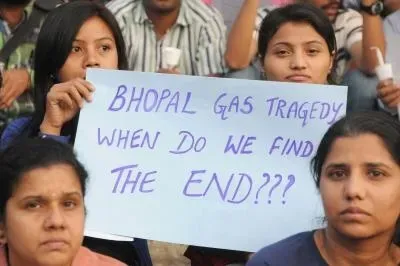
Bhopal gas tragedy survivors flag sewage in drinking water across 30 colonies
Synopsis
Forty years after the Bhopal gas disaster, survivor groups say the suffering has not stopped — this time from sewage-laced tap water. A fresh survey of 30 colonies near the abandoned Union Carbide plant found faecal contamination in 43 of 63 samples, and a Supreme Court sewerage order from 2018 remains unimplemented eight years on.
Key Takeaways
43 of 63 drinking water samples from 30 colonies near the abandoned Union Carbide factory in Bhopal tested positive for faecal coliform contamination.
90% of samples from Upper Lake -supplied areas and 25% from Kolar Dam -supplied areas failed the contamination test.
The Supreme Court directed the Bhopal Municipal Corporation in 2018 to lay sewerage lines; the project remains incomplete eight years later.
Residents are reportedly exposed to water-borne diseases including diarrhoea , vomiting , and typhoid .
Survivor groups demand time-bound sewerage implementation and an independent water quality monitoring system.
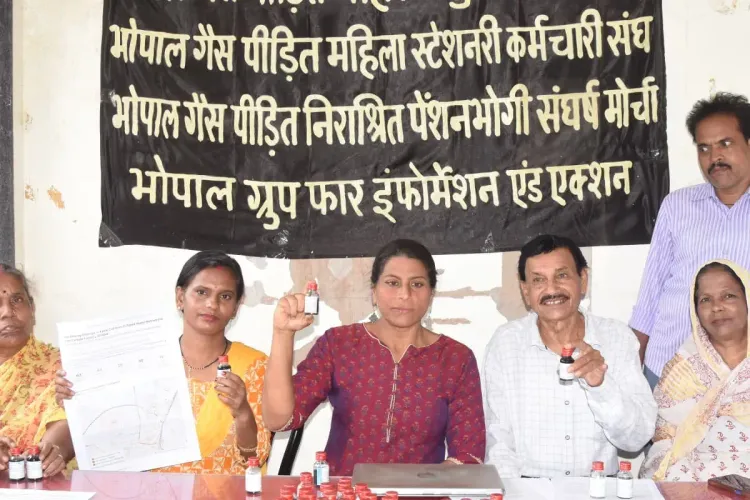
Four organisations representing survivors of the 1984 Bhopal gas tragedy on Friday, 31 July alleged that sewage-contaminated drinking water is being supplied to colonies surrounding the abandoned Union Carbide factory in Bhopal, pointing to a persistent failure of basic civic infrastructure that has compounded decades of suffering for affected residents.
What the Survey Found
The organisations released a report at a press conference stating that 43 of 63 drinking water samples collected from taps across 30 colonies this month tested positive for faecal coliform — a marker of sewage contamination. This means drinking water in 19 out of 30 communities surveyed was found to be contaminated with faecal matter, according to their findings.
Nawab Khan, president of the Bhopal Gas Peedit Mahila Purush Sangharsh Morcha, said the data pointed to a serious and ongoing public health crisis. 'We tested 63 water samples from taps in 30 communities this month, and the presence of faecal coliform was confirmed in 43 samples. There is clear evidence that drinking water supplied to 19 out of 30 communities is contaminated with faeces,' Khan said.
According to the report, 90 per cent of samples from areas receiving water from the Upper Lake tested positive for contamination, while 25 per cent of samples from areas supplied via the Kolar Dam source also failed the test.
The Infrastructure Gap Behind the Crisis
The organisations alleged that the absence of underground sewerage lines and adequate drainage systems has caused sewage to mix with drinking water pipelines. Residents in the affected colonies are reportedly being exposed to water-borne diseases including diarrhoea, vomiting, and typhoid as a result.
This comes against a backdrop of longstanding judicial intervention. The Supreme Court had directed authorities in 2004 to provide piped drinking water to residents after groundwater near the abandoned Union Carbide site was found to be contaminated with toxic chemicals. In 2018, the apex court further directed the Bhopal Municipal Corporation (BMC) to lay sewerage lines and improve drainage following complaints of faecal contamination in piped water supplies.
Eight Years of Unfulfilled Assurances
According to the survivor organisations, the BMC had assured the Supreme Court that the sewerage and drainage work would be completed within three months of the 2018 directive. More than eight years later, the project reportedly remains incomplete.
Rachna Dhingra of the Bhopal Group for Information and Action said: 'We demand time-bound implementation of the sewerage and drainage project and an independent system to regularly monitor drinking water quality. People should not have to suffer because of the failure to provide basic civic amenities.'
Demands and the Road Ahead
The four organisations have collectively urged the Madhya Pradesh state government and the Bhopal Municipal Corporation to urgently complete the sewerage and drainage network and guarantee safe drinking water access across all affected colonies. They have also called for an independent, regular water quality monitoring mechanism to prevent further health risks.
With the Supreme Court's directives spanning two decades remaining only partially implemented, the episode raises sharp questions about accountability in one of the world's worst industrial disaster zones — and whether affected communities will continue to wait for remediation that has long been promised but not delivered.
Point of View
Compounded by institutional inertia. The Supreme Court intervened on Bhopal's water contamination in 2004 and again in 2018; the BMC's three-month assurance to the apex court is now eight years old and unfulfilled. What the survey exposes is not just a civic failure but a pattern: communities already devastated by the world's worst industrial disaster are being failed a second time, by the very remediation system meant to protect them. The 90% contamination rate in Upper Lake-supplied areas is a specific, verifiable figure that demands a specific, verifiable response — not another assurance.
NationPress
31 Jul 2026
Frequently Asked Questions
What did the Bhopal water contamination survey find?
A survey conducted by four survivor organisations found that 43 of 63 drinking water samples collected from taps in 30 colonies near the abandoned Union Carbide factory in Bhopal tested positive for faecal coliform, indicating sewage contamination. The findings were released at a press conference on 31 July.
Why are Bhopal gas tragedy survivors affected by water contamination?
The colonies around the abandoned Union Carbide factory site lack underground sewerage lines and proper drainage, which the organisations allege is causing sewage to mix with drinking water pipelines. The Supreme Court had ordered piped water supply to the area in 2004 after groundwater was found contaminated with toxic industrial chemicals.
What did the Supreme Court order regarding Bhopal's water supply?
The Supreme Court directed authorities in 2004 to provide piped drinking water to residents near the Union Carbide site, and in 2018 further directed the Bhopal Municipal Corporation to lay sewerage lines and improve drainage. The BMC reportedly assured the court the work would be done within three months, but it remains incomplete eight years later.
Which areas showed the highest contamination levels?
Areas supplied with water from the Upper Lake recorded the highest contamination rate, with 90 per cent of samples testing positive for faecal coliform. Areas receiving water from the Kolar Dam source had a 25 per cent failure rate.
What are survivor groups demanding?
The organisations are demanding time-bound implementation of the sewerage and drainage project, an independent system for regular drinking water quality monitoring, and urgent action by the Madhya Pradesh state government and the Bhopal Municipal Corporation to ensure safe water supply across all affected colonies.