LegRAA AI tool for judges in pilot phase, ₹53.57 crore earmarked: Meghwal
Synopsis
India's judiciary is quietly going digital — two AI tools built by NIC, including LegRAA for legal research and Digital Courts 2.1 for case management with voice-to-text, are in pilot testing. With ₹53.57 crore set aside under eCourts Phase III and a 2026–31 legal access scheme rolled out, the Centre is betting on technology to unclog one of the world's most overburdened court systems.
Key Takeaways
LegRAA , an AI-based legal research tool built by NIC , is in pilot testing to assist judges as of 31 July .
Digital Courts 2.1 , also in pilot phase, offers AI-enabled voice-to-text transcription for court orders and judgments. ₹53.57 crore has been earmarked under the Future Technological Advancements component of eCourts Phase III .
AI deployment in courts will be governed by Supreme Court of India policies and respective High Court rules.
DISHA 2.0 scheme runs 2026–31 , covering all districts pan-India with four legal access components including Tele-Law and Nyaya Bandhu .
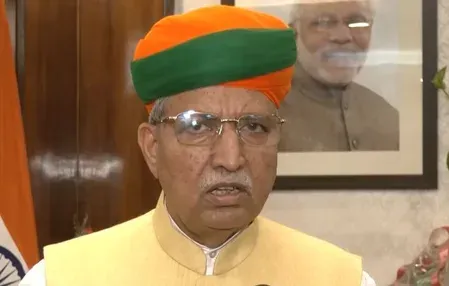
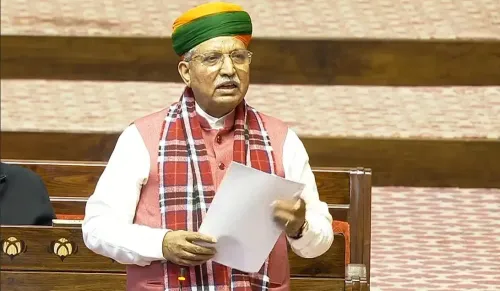
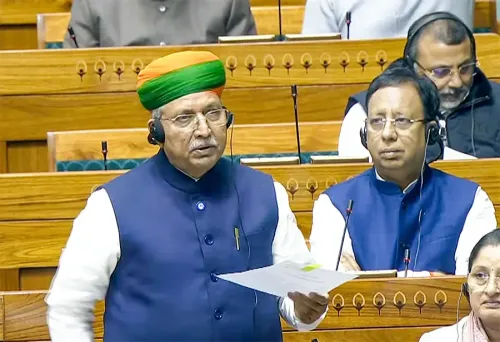
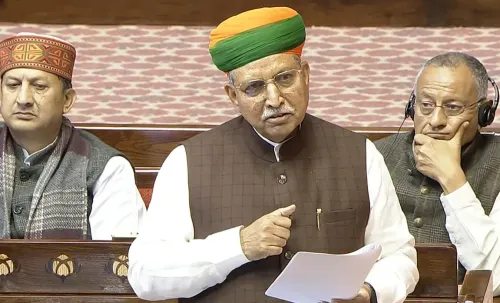
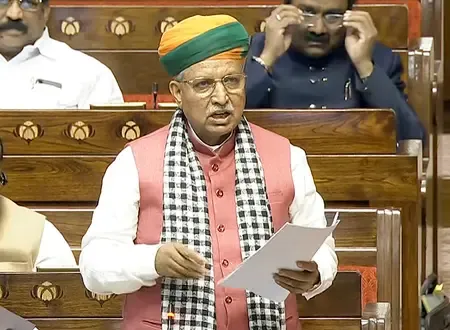
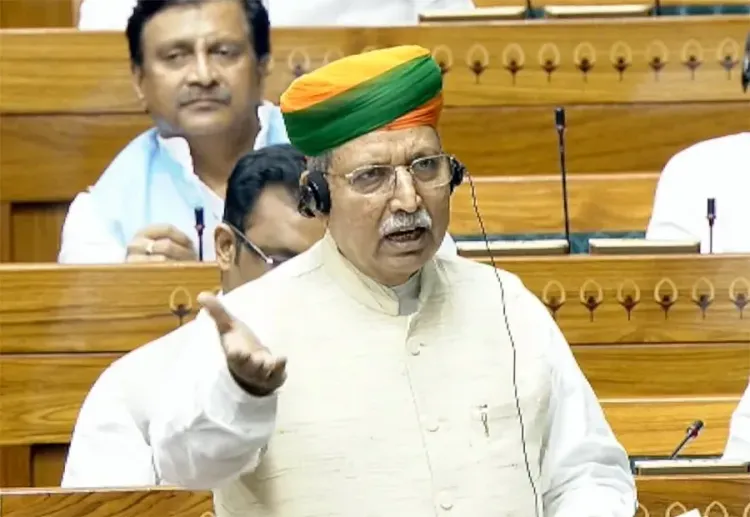
An AI-based legal research tool, Legal Research Analysis Assistant (LegRAA), developed by the Artificial Intelligence Division of the National Informatics Centre (NIC) and NIC's Centre of Excellence for eCourts (CoEE), is currently undergoing pilot testing to assist judges in legal research, the Centre informed the Lok Sabha on Friday, 31 July. The disclosure was made by Minister of State for Law and Justice Arjun Ram Meghwal in a written reply, offering the first detailed parliamentary account of the judiciary's AI roadmap.
Two AI Tools in Testing
Alongside LegRAA, a second AI-based platform — Digital Courts 2.1 — has also been developed by CoEE at NIC's Pune facility. Described as an integrated digital case management platform, it offers a single-window interface for case-related information and incorporates AI-enabled voice-to-text transcription and translation to assist judges and judicial officers in dictating court orders and judgments. Both tools remain in the pilot testing phase as of the minister's reply.
Governance and Deployment Framework
Meghwal clarified that the operational framework governing deployment and future use of AI-based judicial solutions will be decided in accordance with the Rules of Business and the policies of the Supreme Court of India and respective High Courts. This places ultimate authority over AI adoption firmly within the judiciary's own institutional hierarchy, not solely with the executive.
₹53.57 Crore Earmarked Under eCourts Phase III
The eCourts Mission Mode Project, implemented under the National e-Governance Plan by the Department of Justice in coordination with the eCommittee of the Supreme Court, has a dedicated provision for emerging technologies under its Phase III. An amount of ₹53.57 crore has been earmarked specifically under the Future Technological Advancements component to fund AI adoption aimed at enhancing judicial efficiency. This comes amid a broader push to digitise court infrastructure across the country.
DISHA 2.0: Legal Access for All
In response to a separate Lok Sabha query, Meghwal outlined the Designing Innovative Solutions for Holistic Access to Justice (DISHA) 2.0 scheme — a Central Sector Scheme for pan-India implementation, covering all districts including those in Gujarat, for the period 2026–31. The scheme leverages technology to expand people-friendly legal services platforms and comprises four components: Tele-Law: Reaching the Unreached (free pre-litigation advice); Nyaya Bandhu (Pro-Bono Legal Services) Programme; Legal Literacy and Legal Awareness Programme; and VIDHI (Vision for Integrated Delivery of Harmonised Legal Initiatives)-Sanjeevani, a centralised integrated dashboard for scheme monitoring. Progress will also be tracked through regular review meetings, field visits, regional workshops, and a dedicated Programme Management Unit.
With both LegRAA and Digital Courts 2.1 moving through pilots, the pace at which these tools clear testing and receive judicial approval will determine how quickly AI enters India's courtrooms at scale.
Point of View
Yet the parliamentary reply reveals that the two AI tools most relevant to judicial productivity — LegRAA and Digital Courts 2.1 — are still in pilot testing with no confirmed rollout timeline. The ₹53.57 crore earmark under eCourts Phase III is modest relative to the scale of the problem. Critically, the government has placed deployment authority with the Supreme Court and High Courts, which is constitutionally sound but historically slow. The real question is not whether AI can help judges — it clearly can — but whether the institutional approval chain will allow these tools to reach district courts, where the backlog is heaviest, before the next phase review.
NationPress
31 Jul 2026
Frequently Asked Questions
What is LegRAA, the AI tool for judges?
LegRAA, or Legal Research Analysis Assistant, is an AI-based tool developed by the Artificial Intelligence Division of the National Informatics Centre (NIC) and its Centre of Excellence for eCourts (CoEE) to assist judges in conducting legal research. It is currently in the pilot testing phase, as confirmed by Minister of State for Law and Justice Arjun Ram Meghwal in Parliament on 31 July.
What is Digital Courts 2.1 and how does it differ from LegRAA?
Digital Courts 2.1 is a separate AI-based integrated digital case management platform developed by CoEE at NIC's Pune facility. Unlike LegRAA, which focuses on legal research, Digital Courts 2.1 provides a single-window interface for case information and includes voice-to-text transcription and translation to help judges dictate orders and judgments. It is also in pilot testing.
How much funding has been allocated for AI in Indian courts?
₹53.57 crore has been earmarked under the Future Technological Advancements component of the eCourts Mission Mode Project Phase III, specifically to fund AI adoption aimed at enhancing judicial efficiency. The project is implemented by the Department of Justice in coordination with the eCommittee of the Supreme Court.
Who will decide how AI tools are used in courts?
The operational framework for deploying AI-based judicial tools will be decided in accordance with the Rules of Business and the policies of the Supreme Court of India and the respective High Courts, as stated by Minister Meghwal. The executive does not unilaterally control deployment.
What is the DISHA 2.0 scheme and who does it cover?
DISHA 2.0 (Designing Innovative Solutions for Holistic Access to Justice) is a Central Sector Scheme running from 2026 to 2031, covering all districts across India including Gujarat. It aims to expand access to legal services through four components: Tele-Law, Nyaya Bandhu pro-bono services, Legal Literacy programmes, and the VIDHI-Sanjeevani monitoring dashboard.