Govt allocates ₹2,010 crore for judicial infra and eCourts modernisation
Synopsis
The Centre has split ₹2,010 crore between physical court infrastructure (₹810 crore) and eCourts Phase-III digitisation (₹1,200 crore) in Budget 2026 — a dual bet on bricks-and-bytes to tackle India's mounting case pendency. Meanwhile, 775 Fast Track Special Courts for rape and POCSO cases are running on a temporary extension through September 2026, with 15 still to be made operational.
Key Takeaways
The Centre has allocated ₹2,010 crore in Union Budget 2026 for judicial infrastructure and court digitisation. ₹810 crore is earmarked for the CSS for Development of Infrastructure Facilities for District and Subordinate Courts . ₹1,200 crore is allocated for eCourts Project Phase-III , covering digitisation, training, and capacity building.
775 Fast Track Special Courts , including 398 ePOCSO courts , are operational across 29 states/UTs as of 30 April .
The FTSC scheme has been temporarily extended to 30 September 2026 , against a sanctioned target of 790 courts .
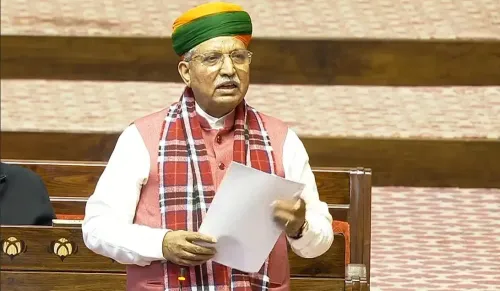
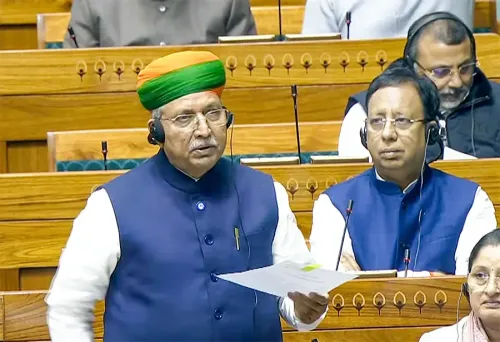
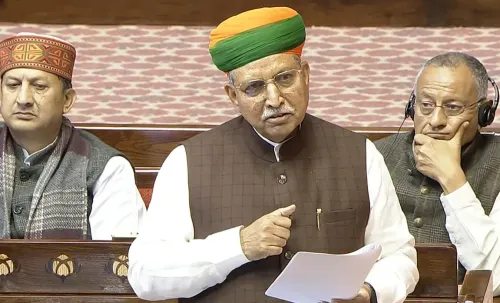
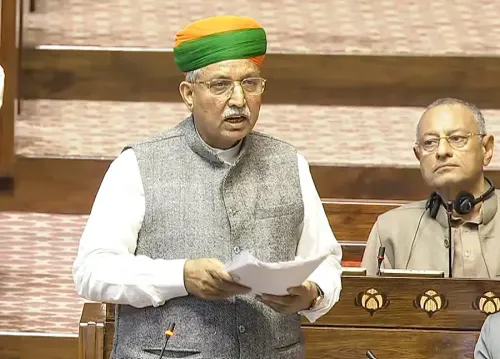
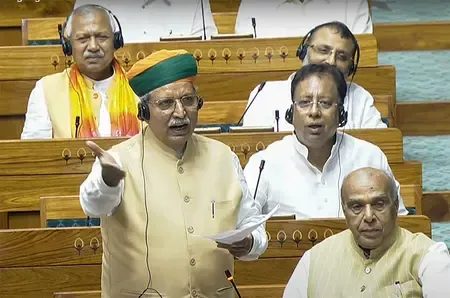
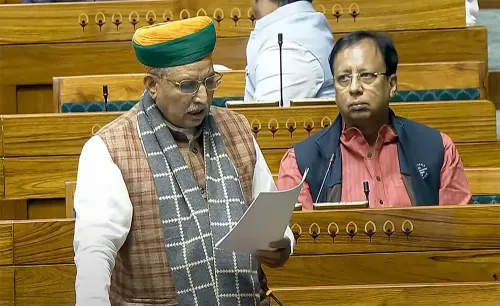
Law Minister Arjun Ram Meghwal disclosed the figures in a written reply to the Lok Sabha on 26 July .
The Centre has earmarked ₹2,010 crore in the Union Budget 2026 to strengthen judicial infrastructure and accelerate the digitisation of courts across India, Law Minister Arjun Ram Meghwal informed the Lok Sabha on 26 July. The outlay covers physical court infrastructure, digital transformation under the eCourts initiative, and capacity-building programmes for judicial staff.
How the Funds Are Split
Of the total allocation, ₹810 crore has been set aside under the Centrally Sponsored Scheme (CSS) for the Development of Infrastructure Facilities for District and Subordinate Courts. A separate ₹1,200 crore has been allocated for the eCourts Project Phase-III, which focuses on digitising court processes, training, and building institutional capacity across the judiciary.
According to the minister, budgetary provisions under these schemes are determined by approved outlays and the availability of funds, ensuring alignment with fiscal planning cycles.
What the Government Said
Arjun Ram Meghwal, responding in a written reply to a Lok Sabha question, acknowledged that faster case disposal depends on several variables beyond infrastructure alone. 'The expeditious disposal of cases depends on multiple factors including complexity of case, quality of investigation, availability of relevant evidence and presentation thereof by the Advocates, timely delivery of the court processes, active participation of the parties, judicial procedures, etc,' he said.
The Centre, he added, is working in coordination with state governments and the judiciary to ensure accessible, speedy, and effective justice delivery nationwide.
Fast Track Courts: Status and Extension
Separately, the minister updated the House on the status of Fast Track Special Courts (FTSCs), including exclusive POCSO (ePOCSO) courts, launched in October 2019 to expedite trials in rape and child sexual offence cases under the Protection of Children from Sexual Offences (POCSO) Act, 2012.
The scheme, originally designed to establish 790 FTSCs, was extended twice. Its last formal extension ran until 31 March 2026, and has since been temporarily extended to 30 September 2026. As of 30 April, 775 FTSCs — including 398 exclusive ePOCSO courts — were operational across 29 states and Union Territories, according to data provided by High Courts.
Why This Matters
India's judicial system carries a pendency burden running into tens of millions of cases. The eCourts Phase-III investment, in particular, signals a structural push toward paperless proceedings, e-filing, and virtual hearings — reforms that reformers and legal experts have long argued are essential to clearing backlogs. Notably, this is the third phase of the eCourts programme, reflecting the government's sustained commitment to digital court infrastructure since the initiative's earlier rollouts.
With the FTSC scheme now temporarily extended, the focus turns to whether the remaining 15 courts out of the sanctioned 790 can be made operational before the September 2026 deadline, and whether a longer-term renewal will follow.
Point of View
010 crore allocation is substantial on paper, but the real measure of success lies in execution speed and outcome tracking — two areas where past judicial infrastructure schemes have struggled. The eCourts programme has been running since Phase-I, yet case pendency has continued to climb; Phase-III's ₹1,200 crore must translate into measurable reductions in filing-to-disposal timelines, not just hardware procurement. The FTSC story is also telling: with 15 courts still unestablished and the scheme on its third extension, the gap between sanctioned targets and ground reality raises questions about state-level implementation capacity that fresh funding alone will not resolve.
NationPress
24 Oct 2026
Frequently Asked Questions
What is the ₹2,010 crore judicial allocation announced by the government?
The Centre has allocated ₹2,010 crore in Union Budget 2026 for two schemes: ₹810 crore for physical infrastructure of district and subordinate courts, and ₹1,200 crore for eCourts Project Phase-III covering court digitisation, training, and capacity building. Law Minister Arjun Ram Meghwal disclosed this in a written reply to the Lok Sabha on 26 July.
What is the eCourts Project Phase-III?
eCourts Project Phase-III is a centrally sponsored initiative aimed at digitising court processes across India, including e-filing, virtual hearings, and training for judicial staff. It received ₹1,200 crore in Budget 2026 and builds on two earlier phases of the programme.
How many Fast Track Special Courts are currently operational?
As of 30 April, 775 Fast Track Special Courts — including 398 exclusive ePOCSO courts — were functional across 29 states and Union Territories. The scheme targets 790 such courts and has been temporarily extended to 30 September 2026.
Why were Fast Track Special Courts set up?
Fast Track Special Courts were launched in October 2019 to expedite trials in rape cases and offences under the Protection of Children from Sexual Offences (POCSO) Act, 2012. They were established to reduce pendency of serious criminal cases involving women and children.
Does more funding guarantee faster disposal of court cases?
Not automatically, according to Law Minister Arjun Ram Meghwal. He noted that case disposal depends on multiple factors including case complexity, quality of investigation, evidence availability, advocate performance, timely court processes, and active participation of all parties — not infrastructure alone.