Bhupender Yadav Meets Bhutan's Energy Minister at COP31
Synopsis
Union Environment Minister Bhupender Yadav held a bilateral meeting with Bhutan's Minister Lyonpo Sonam Tashi at COP31 in Antalya, covering mountain resilience, biodiversity conservation and clean energy — deepening a partnership rooted in decades of Himalayan cooperation.
Key Takeaways
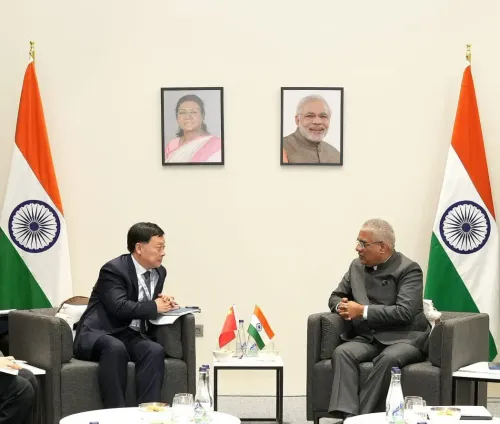
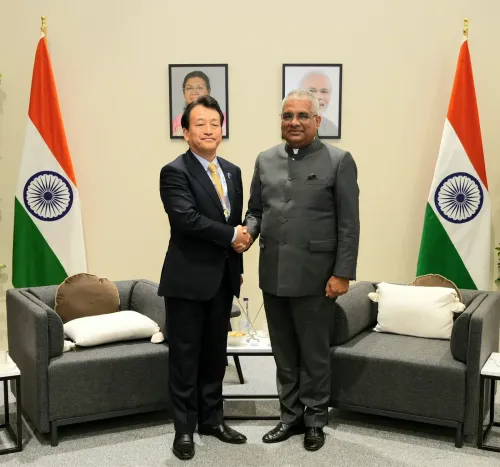
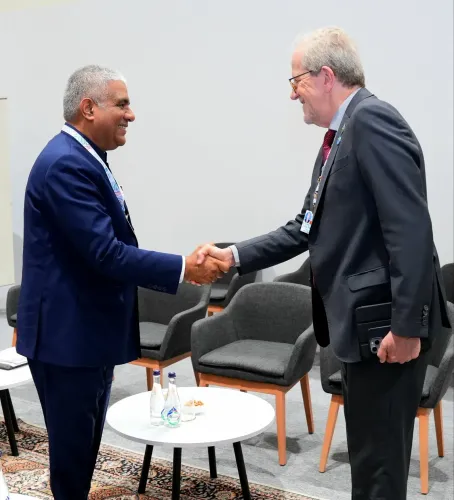
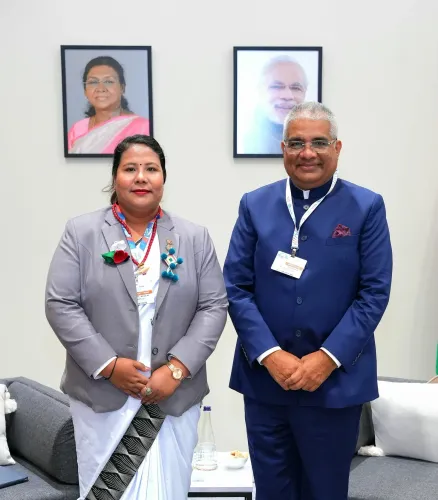
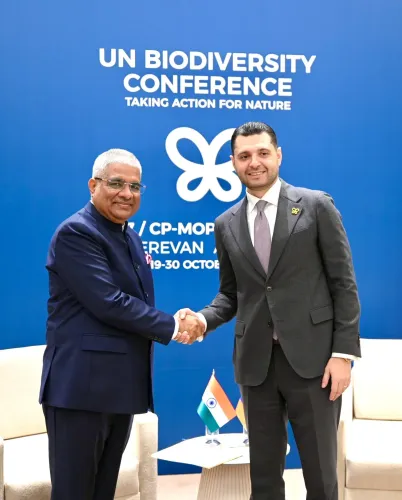
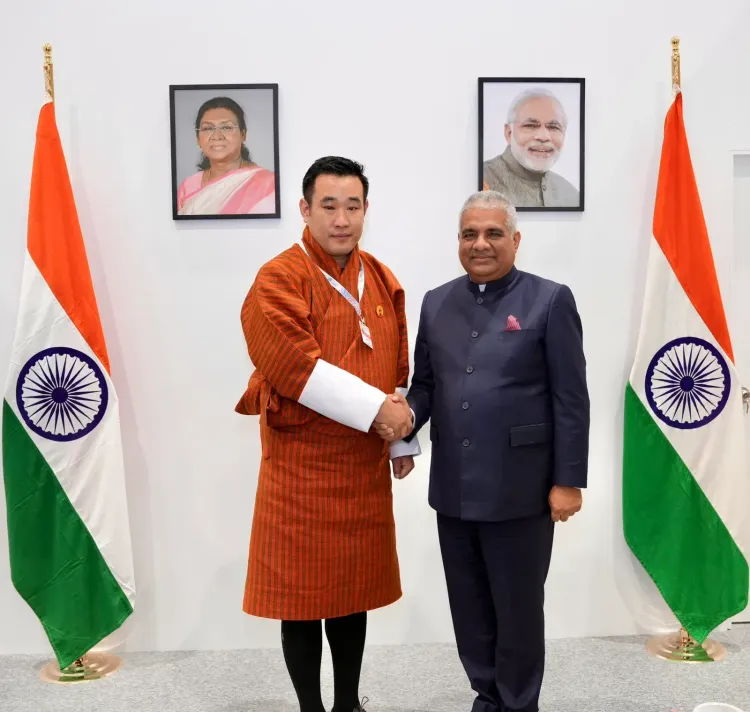
Union Environment Minister Bhupender Yadav met Bhutan's Minister for Energy and Natural Resources Lyonpo Sonam Tashi on the sidelines of COP31 in Antalya, Türkiye on November 20, 2026 .
Discussions focused on three pillars: mountain resilience , biodiversity conservation , and clean energy cooperation.
India and Bhutan have cooperated on hydropower since the 1960s , with a joint 2009 target to develop 10,000 MW of capacity.
The meeting aligns with India's Neighbourhood First policy, which prioritises shared Himalayan ecological and climate interests.
Both countries share the Eastern Himalayan biodiversity hotspot , making joint conservation frameworks a strategic priority.
Follow-up bilateral working groups and potential new MoUs on biodiversity or clean energy are expected in the coming months.
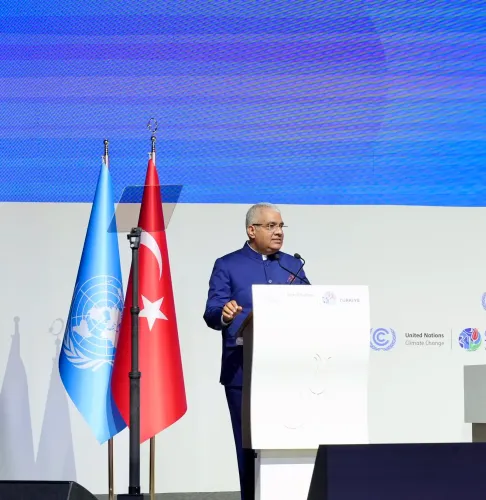
On the sidelines of COP31 in Antalya, Türkiye, Union Environment Minister Bhupender Yadav sat down with Bhutan's Minister for Energy and Natural Resources, Lyonpo Sonam Tashi on Friday, November 20, 2026 — a meeting that placed the India-Bhutan relationship squarely inside the world's most consequential climate conversation.
Yadav described the exchange as 'very productive', with both sides sharing views on the ongoing climate negotiations and mapping out pathways to deepen cooperation across three specific pillars: mountain resilience, biodiversity conservation, and clean energy.
Why Mountains and Glaciers Dominate This Bilateral
India and Bhutan are not just neighbours — they are co-inheritors of one of the planet's most climate-stressed landscapes. The Himalayas, shared across both countries, face accelerating glacier melt, shifting monsoon patterns, and cascading risks for downstream communities numbering in the hundreds of millions. When Yadav and Tashi speak of 'mountain resilience', that is the precise, urgent reality behind the diplomatic language. India's Neighbourhood First policy has consistently elevated Himalayan cooperation above routine diplomacy, treating shared ecological vulnerability as a strategic imperative rather than an optional agenda item. Bhutan's near-total economic reliance on its natural environment — from hydropower revenues to its constitutionally mandated forest cover — makes it one of India's most naturally aligned climate partners.Hydropower History and the Clean Energy Thread
The clean energy dimension of Friday's meeting carries decades of institutional weight. India and Bhutan have cooperated on hydropower since the 1960s, with both governments setting a joint target as early as 2009 to develop 10,000 MW of capacity through collaborative projects. That infrastructure relationship — where Bhutan exports surplus hydropower to India — forms the economic spine of the bilateral partnership. At a COP where nations are under pressure to demonstrate concrete clean energy commitments, revisiting and potentially expanding that cooperation sends a signal well beyond the two countries' borders. It positions the partnership as a live, working model of South-South climate collaboration.Biodiversity Conservation on the Table
The explicit mention of biodiversity conservation adds another dimension. The Eastern Himalayan biodiversity hotspot straddles both nations, hosting rare species and fragile ecosystems that are acutely sensitive to temperature rise. Joint conservation frameworks — monitoring, corridor management, anti-poaching coordination — have long been discussed; a COP setting, with international attention on nature-based solutions, provides renewed impetus to formalise those commitments. Watch for follow-up bilateral working group meetings in the months ahead, and any new memoranda of understanding on either mountain ecosystems or clean energy that could emerge from the momentum generated in Antalya. Two Himalayan-linked nations, one climate summit, and a bilateral relationship old enough to have its own hydropower history — Yadav and Tashi's conversation in Türkiye may be a sideline meeting on paper, but its implications run all the way back to the mountains they both answer to.Point of View
New Delhi signals that bilateral ties with Himalayan neighbours are not just friendship gestures but active components of its international climate posture. The hydropower cooperation lineage — stretching back to the 1960s — gives India a credible, concrete track record to point to when other nations debate the gap between climate pledges and delivery. If new MoUs or working-group mandates emerge from Antalya, they will further consolidate Bhutan's role as India's most institutionally embedded climate partner in the neighbourhood.
NationPress
20 Nov 2026
Frequently Asked Questions
What did Bhupender Yadav discuss with Bhutan's minister at COP31?
Yadav met Bhutan's Minister for Energy and Natural Resources Lyonpo Sonam Tashi at COP31 in Antalya to exchange views on climate negotiations and discuss cooperation on mountain resilience, biodiversity conservation and clean energy .
Where is COP31 being held in 2026?
COP31 is being held in Antalya, Türkiye , where the bilateral meeting between India and Bhutan's environment and energy ministers took place on November 20, 2026 .
What is India's hydropower cooperation history with Bhutan?
India and Bhutan have cooperated on hydropower since the 1960s . By 2009 , both governments had set a joint target to develop 10,000 MW of hydropower capacity through collaborative projects, forming the economic core of the bilateral relationship.
What is Bhutan's role in India's Neighbourhood First policy?
Bhutan is one of India's closest partners under the Neighbourhood First policy, sharing Himalayan ecosystems, hydropower infrastructure, and climate vulnerabilities. Clean energy and biodiversity conservation are consistent pillars of their cooperation.
What are the expected outcomes from Yadav's meeting with the Bhutan minister?
Potential follow-up outcomes include bilateral working group meetings on mountain resilience and new memoranda of understanding on biodiversity conservation or clean energy, which could be announced in the months following the Antalya meeting.