Bihar CM Orders Mandatory Computer Ed in All Govt Schools

Synopsis
Bihar's Chief Minister has directed officials to prepare a plan for making computer education compulsory in all government schools from the next academic year, in a move that could reshape digital access for millions of students across the state.
Key Takeaways
The Chief Minister of Bihar directed officials on 26 September 2026 to draft a plan for mandatory computer education in all government schools.
The directive targets rollout from the next academic year , setting a tight implementation window for the Bihar Education Department .
The move aligns with the National Education Policy 2020 , which recommended digital literacy integration across school curricula.
Key implementation challenges include hardware procurement, teacher training , and securing adequate budget provisions.
Government school students — largely from rural and lower-income households — stand to be the primary beneficiaries if the plan is executed effectively.
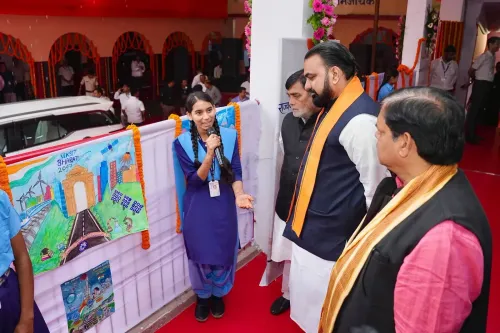
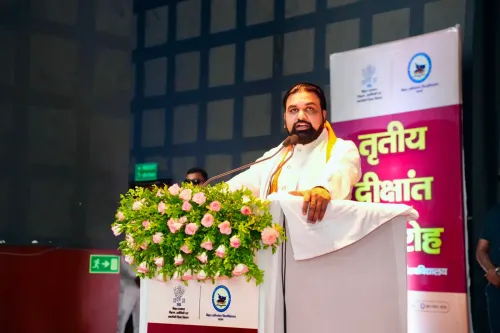
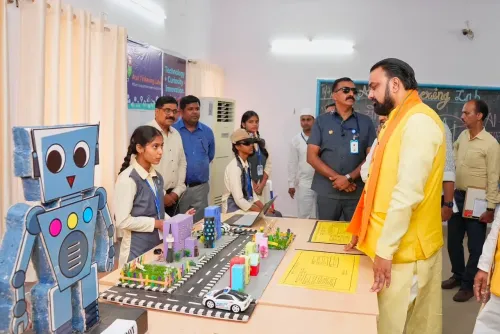
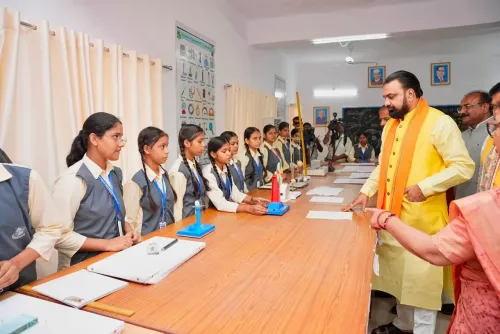
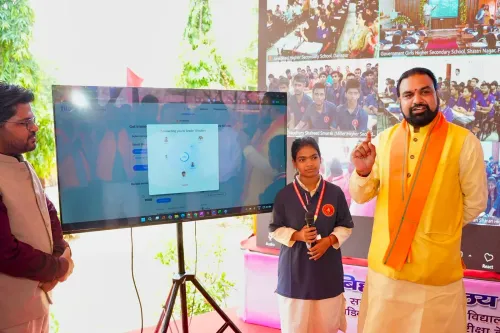
Every child sitting in a government classroom in Bihar — from the plains of the Gangetic belt to the remotest block school — is now at the centre of a digital reckoning. On Saturday, 26 September 2026, the Chief Minister's Office of Bihar announced that the Chief Minister has directed officials to prepare a plan for making computer education compulsory in all government schools starting next academic year.
The official post read: 'माननीय मुख्यमंत्री जी ने अगले वर्ष से सभी सरकारी विद्यालयों में कंप्यूटर शिक्षा अनिवार्य रूप से शुरू करने की दिशा में योजना तैयार करने के निर्देश दिए।' — 'The Honourable Chief Minister has directed officials to prepare a plan for mandatorily starting computer education in all government schools from next year.'
Why This Directive Hits Different for Bihar
Bihar's government school network is one of the largest in the country, serving millions of children — the majority of them from rural and economically marginalised households. For most of these students, a school computer lab is the only realistic gateway to digital literacy. The directive is not a curriculum tweak; it is a structural intervention in who gets to participate in a digital economy.
The move aligns squarely with the National Education Policy 2020, which called for the integration of digital literacy and computational thinking into school curricula across India. Several states moved faster than Bihar on this count. The Chief Minister's order signals that Bihar intends to close that gap — and to do it at scale, across every public institution simultaneously.
The Implementation Gauntlet Ahead
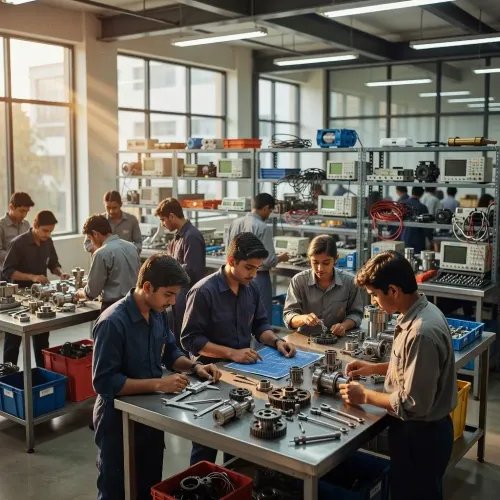
Directing a plan is one thing. Executing it inside a single academic cycle is quite another. The Bihar Education Department now faces the task of mapping hardware shortfalls, training teachers who may have little or no background in computer instruction, and securing budget provisions — all before the next school year begins.
Teacher training is likely the sharpest bottleneck. Infrastructure — desks, devices, power supply — can be procured. A confident, classroom-ready computer teacher cannot be assembled overnight. The quality of the implementation plan that officials now prepare will determine whether this directive becomes a landmark reform or another well-intentioned announcement that stalls at the rollout stage.
The stakes are real: get it right, and Bihar's next generation of government-school students enters the workforce with a foundational skill that was once the preserve of private-school children. That is the finish line worth watching.
Point of View
A qualitative leap. The real test is whether the state can compress what typically takes years of phased rollout into a single planning cycle. If the implementation plan produced by officials is robust and funded, this could become a benchmark for large-state digital education reform; if it is underfunded or under-staffed, it risks reinforcing scepticism about directive-driven policymaking.
NationPress
26 Sept 2026
Frequently Asked Questions
What did the Bihar Chief Minister announce about computer education?
The Bihar Chief Minister directed officials on 26 September 2026 to prepare a plan for making computer education compulsory in all government schools starting from the next academic year.
When will computer education become mandatory in Bihar government schools?
The directive targets the next academic year as the start date, though the detailed implementation plan — including timelines, hardware and teacher training — is still being prepared by the Bihar Education Department.
How does this relate to the National Education Policy 2020?
The National Education Policy 2020 recommended integrating digital literacy and computational thinking into school curricula nationwide. Bihar's directive is a direct step towards fulfilling that recommendation at the state level.
Which students will benefit from mandatory computer education in Bihar?
Students enrolled in government schools across Bihar — the majority of whom come from rural and economically weaker sections — are the primary target group for this initiative.
What are the main challenges in implementing this directive?
The key challenges include procuring sufficient computer hardware, training teachers who may lack digital instruction skills, ensuring reliable power supply in rural schools, and securing adequate budget allocations before the next academic session begins.