Bihar CM Launches Eastern Zonal Meet on Missing Children
Synopsis
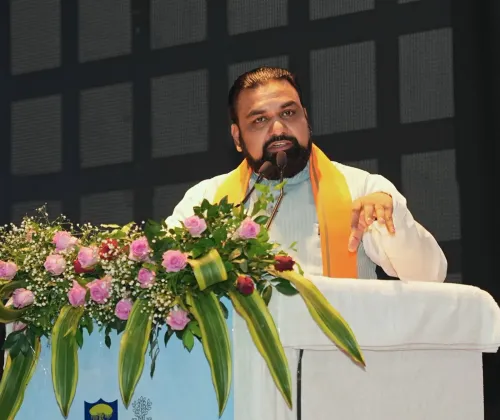
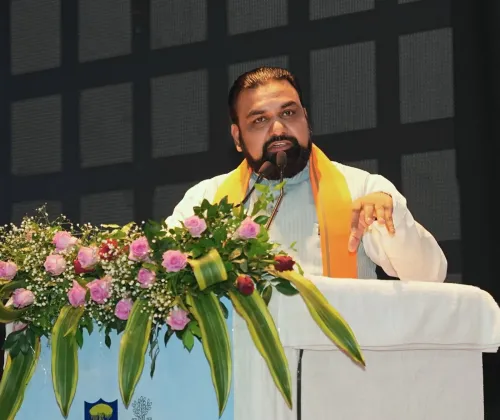
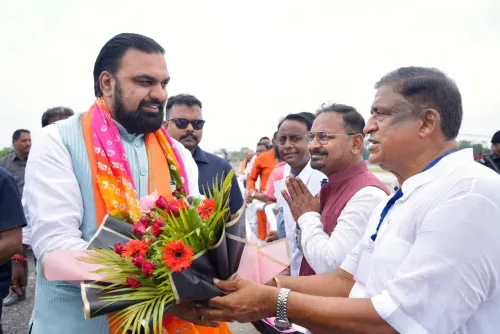
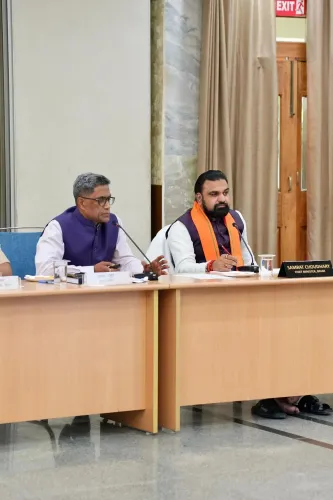
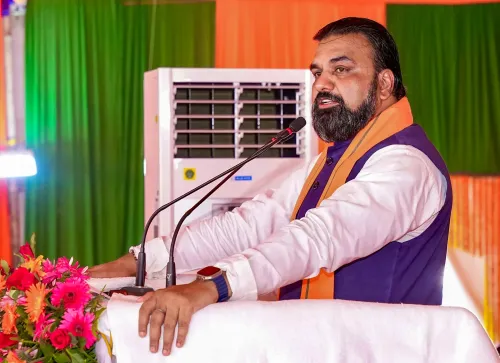
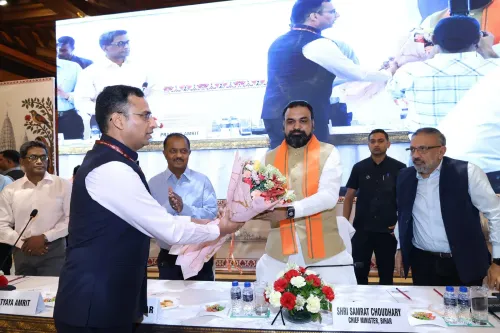
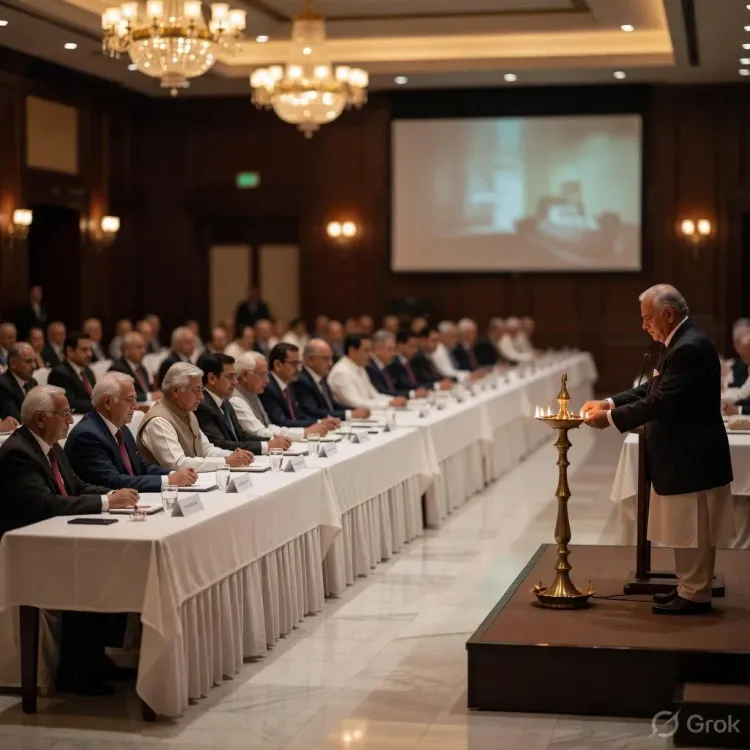
Bihar Chief Minister Samrat Choudhary inaugurated the Eastern Zonal Conference on Missing Children and Human Trafficking at Gyan Bhawan, Patna on 8 August 2026, convened by the Bihar Home Department to strengthen inter-state police coordination and child protection across eastern India.
Key Takeaways
Bihar CM Samrat Choudhary inaugurated the Eastern Zonal Conference on Missing Children and Human Trafficking on 8 August 2026 .
The event was held at Gyan Bhawan, Patna and organised by the Bihar Home Department .
The conference brings together eastern Indian states to address gaps in inter-state coordination on child protection and anti-trafficking operations.
Eastern India is among the highest-reporting regions for missing children, many linked to labour and sexual exploitation networks.
The TrackChild portal , a national database for missing children, is part of the broader central framework Bihar operates within.
Joint recommendations or standard operating procedures from participating states are the expected outcome of the consultation.
A child goes missing somewhere in eastern India every few hours — and the systems meant to find them rarely talk to each other. Bihar Chief Minister Samrat Choudhary moved to close that gap on Saturday, 8 August 2026, inaugurating the Eastern Zonal Conference-cum-Consultation on Missing Children and Human Trafficking at Gyan Bhawan, Patna — a regional summit convened by the Bihar Home Department to force a harder conversation about inter-state coordination on child protection.
What the eastern states are up against
Eastern India — Bihar, Jharkhand, West Bengal, Odisha — consistently figures among the highest-reporting zones for missing children, many of whom are funnelled into labour and sexual exploitation networks that cross state lines with ease. The problem is structural: traffickers operate across borders; police jurisdictions do not. Zonal consultations of this kind exist precisely to bridge that gap, aligning state police forces on intelligence sharing, rescue protocols, and victim repatriation.
Bihar has been part of central government frameworks on trafficking for years, including the Immoral Traffic (Prevention) Act machinery and the TrackChild portal — a national database launched by the Ministry of Women and Child Development in the early 2010s to log and trace missing children across states. The persistent holding of such conferences signals that coordination, while improving, remains a work in progress.
Gyan Bhawan as a policy stage
Gyan Bhawan is Bihar's premier government convention centre, regularly used for high-stakes state-level deliberations. Hosting this eastern zonal meet in Patna places Bihar — and Chief Minister Choudhary — at the centre of a regional child-protection push, signalling the state's intent to take an active convening role rather than a passive participant's seat.
The Bihar Home Department's ownership of the event is also telling: framing missing children and trafficking as a law-and-order and intelligence challenge, not merely a welfare one, typically sharpens operational outcomes. Police-led conferences tend to produce actionable SOPs over purely advisory recommendations.
What comes next from Patna
Observers will watch for joint recommendations or standard operating procedures emerging from the eastern states following the consultation — the real measure of whether a conference translates into coordination. If the participating states agree on unified protocols for reporting, tracking, and rescuing missing children, the 8 August summit will be remembered as more than a ceremonial opening.
The children still unaccounted for across eastern India are the ultimate test of what gets decided inside Gyan Bhawan today.
Point of View
Which tends to yield more operational outcomes than welfare-ministry-led forums. For Chief Minister Choudhary, the summit offers a governance dividend: visible leadership on a cause with broad public sympathy and real federal relevance. The harder test will come in the weeks after — whether joint SOPs actually emerge, or whether the conference remains a well-attended photo opportunity.
NationPress
9 Aug 2026
Frequently Asked Questions
What is the Eastern Zonal Conference on Missing Children and Human Trafficking?
It is a regional consultation bringing together eastern Indian states — including Bihar, Jharkhand, West Bengal, and Odisha — to improve inter-state police coordination, intelligence sharing, and rescue operations for missing children and trafficking victims.
Who inaugurated the conference and where was it held?
Bihar Chief Minister Samrat Choudhary inaugurated the conference on 8 August 2026 at Gyan Bhawan , the state government's premier convention centre in Patna .
Which department organised the event?
The Bihar Home Department organised the Eastern Zonal Conference-cum-Consultation on Missing Children and Human Trafficking.
What is the TrackChild portal?
The TrackChild portal is a national database launched by India's Ministry of Women and Child Development in the early 2010s to log and track missing children across states, supporting inter-state tracing efforts.
What outcomes are expected from the Patna conference?
Observers expect the participating eastern states to release joint recommendations or standard operating procedures for reporting, tracking, and rescuing missing children — the practical measure of whether the consultation produces real coordination.