Patna water metro launched on Ganga ahead of Chhath, fare set at ₹50
Synopsis
Patna has become only the second Indian city after Kochi to launch a water metro, with air-conditioned boats now ferrying passengers 9.5 km along the Ganga at ₹50 a ride — timed to ease the massive Chhath Puja footfall on the river. Bihar is already eyeing similar services on three more rivers.
Key Takeaways
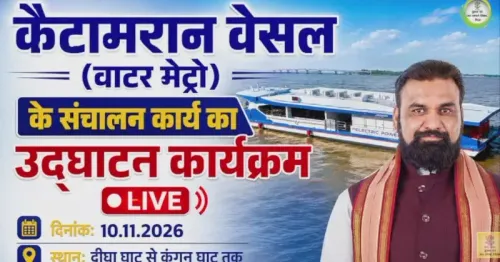
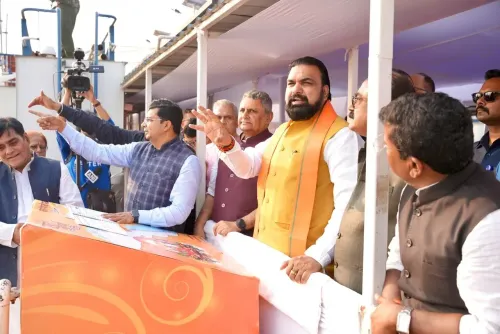
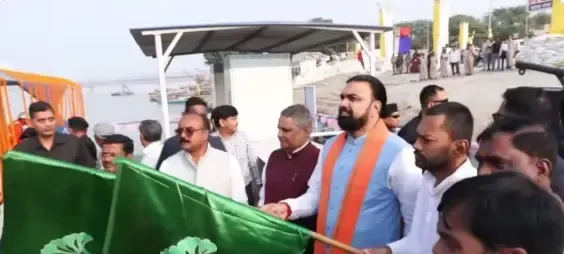
Bihar Chief Minister Samrat Choudhary inaugurated Patna's water metro at Digha Ghat on 10 November 2026 .
The service connects Digha Ghat to NIT Ghat over 9.5 km at a fare of ₹50 per passenger.
Patna is now the second city in India after Kochi to operate a water metro service.
Air-conditioned boats with a capacity of 100 passengers each will run daily from 9 am to 6 pm .
Boats feature CCTV cameras , an automatic location system, and fast-charging capability of 10–15 minutes at Gandhi Ghat.
Bihar is exploring water transport on the Son , Gandak , and Kosi rivers through a dedicated task force.
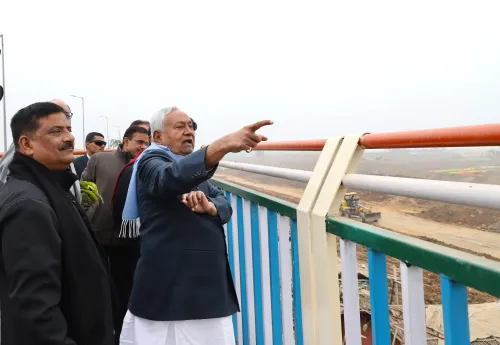
Patna became the second city in India to launch a water metro service on 10 November 2026, with Bihar Chief Minister Samrat Choudhary inaugurating the facility at Digha Ghat just days before the Chhath Puja festival. The service runs along the Ganga, connecting Digha Ghat to NIT Ghat over a distance of approximately 9.5 km, with a flat fare of ₹50 per passenger.
Key Details of the Service
The water metro will operate daily between 9 am and 6 pm, managed by the Bihar State Tourism Development Corporation. Modern air-conditioned metro boats, each with a capacity of approximately 100 passengers, will ply the designated route. The launch was attended by Deputy Chief Minister Vijay Kumar Choudhary and Health Minister Nishant Kumar.
The service had been announced earlier by Union Minister for Ports, Shipping and Waterways Sarbananda Sonowal. With this launch, Patna joins Kochi in Kerala as the only Indian cities to operate such a service.
Safety and Technology Features
The vessels have been fitted with CCTV cameras and an automatic location system monitored remotely, ensuring passenger safety. A specialised supercharger installed at Gandhi Ghat can recharge the boats' batteries in reportedly 10 to 15 minutes. Additionally, three to four rescue boats will be deployed along the route to respond to emergencies.
Broader Waterway Ambitions
The Bihar government is also exploring passenger and tourism services on the Son, Gandak, and Kosi rivers. A task force comprising officials from the Union Ministry of Ports, Shipping and Waterways, the Inland Waterways Authority of India, and the Bihar government will be constituted to examine the feasibility of these additional routes. This signals a broader pivot toward river-based mobility across the state.
Impact on Patna's Urban Connectivity
The service is designed to serve as an alternative to road transport, easing congestion along the Ganga riverfront — a stretch that sees extremely high footfall during Chhath Puja. Beyond festival season, the water metro is expected to promote tourism and improve intra-city connectivity. This launch marks a significant moment for Bihar's urban infrastructure, long associated with road and rail rather than waterways.
How the service performs during the peak Chhath rush will be an early test of its operational readiness and long-term viability.
Point of View
When Patna's ghats are overwhelmed — is strategically astute, but the service's credibility will be tested in those very first days of peak demand. At ₹50 a ride and with only a 9 am–6 pm window, it currently excludes the early-morning and late-evening crowds that define Chhath. The ambition to extend services to the Son, Gandak, and Kosi rivers is noteworthy, but Bihar's infrastructure track record means the task force announcement warrants monitoring rather than celebration. The Kochi water metro comparison is apt in aspiration; Kochi's model, however, was years in the making with far heavier Centre-state investment. Whether Patna can match that operational consistency is the real question.
NationPress
10 Nov 2026
Frequently Asked Questions
What is the Patna water metro and where does it run?
The Patna water metro is a river-based public transport service operating along the Ganga between Digha Ghat and NIT Ghat, covering approximately 9.5 km. It was inaugurated by Bihar Chief Minister Samrat Choudhary on 10 November 2026, ahead of the Chhath Puja festival.
What is the fare and timing of the Patna water metro?
The fare is fixed at ₹50 per passenger for the full route. The service operates daily from 9 am to 6 pm and is managed by the Bihar State Tourism Development Corporation.
Is Patna the first city in India to have a water metro?
No. Patna is the second city in India to introduce a water metro service, after Kochi in Kerala. The launch marks a significant addition to Bihar's urban transport infrastructure.
What safety features do the Patna water metro boats have?
The boats are equipped with CCTV cameras and an automatic location system monitored remotely. Three to four rescue boats will also be deployed along the route, and a supercharger at Gandhi Ghat can fully recharge the vessels' batteries in reportedly 10 to 15 minutes.
Will Bihar expand water transport to other rivers?
Yes, the Bihar government is exploring passenger and tourism services on the Son, Gandak, and Kosi rivers. A task force involving the Union Ministry of Ports, Shipping and Waterways, the Inland Waterways Authority of India, and the Bihar government will be constituted to assess feasibility.