Bihar CMO Pushes for Centre-State Coordination on Border Crime
Synopsis
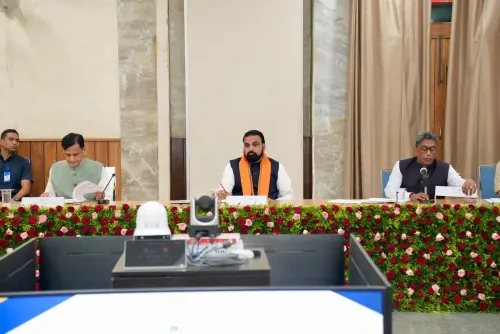
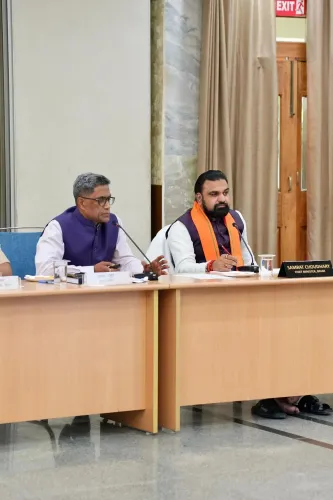
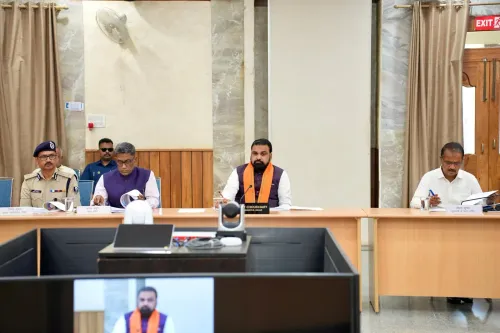
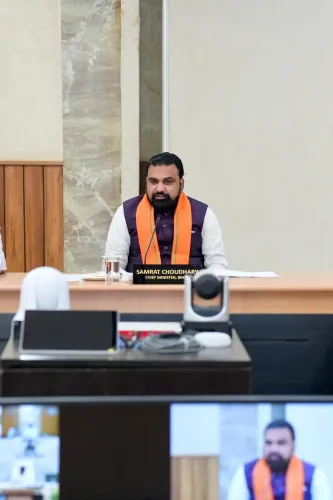
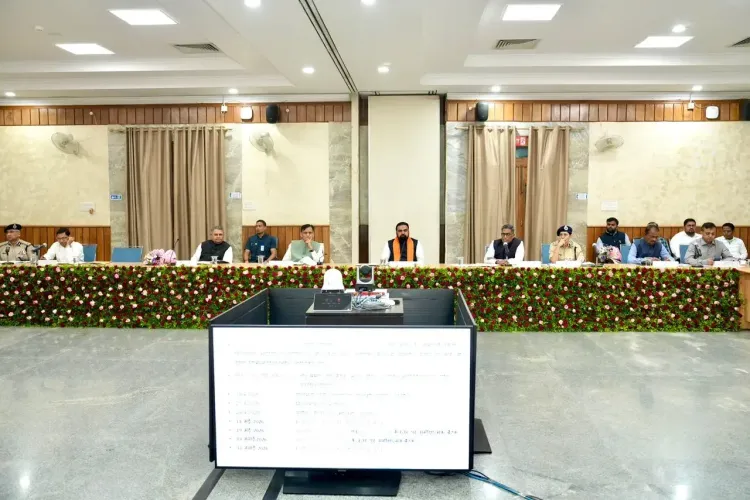
The Chief Minister's Office of Bihar on September 26, 2026 flagged a high-level meeting stressing better coordination between the central and state governments to curb infiltration, forged documents, counterfeit currency, and drug trafficking along Bihar's porous Nepal frontier.
Key Takeaways
The Chief Minister's Office of Bihar posted on September 26, 2026 about a meeting focused on border security.
The meeting emphasised better coordination between the Government of India and the Government of Bihar .
Five specific threats were named: infiltration, forged documents, counterfeit currency, drug trafficking, and other criminal activities.
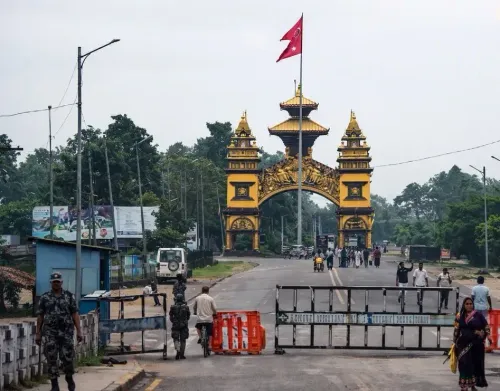
Bihar's northern districts share an open frontier with Nepal , guarded primarily by the Sashastra Seema Bal (SSB) established in 1963 .
Potential follow-up measures include joint task forces, intelligence-sharing protocols, and enhanced SSB deployments in Bihar border districts.
Infiltration, fake documents, counterfeit currency, narcotics — the long, porous frontier Bihar shares with Nepal has never been a quiet border. On Saturday, September 26, 2026, the Chief Minister's Office of Bihar signalled that the state is pressing hard for tighter federal-state machinery to plug every one of those gaps.
The CMO posted that a high-level meeting had placed strong emphasis on 'better coordination between the Government of India and the Government of Bihar' to effectively check infiltration in border areas, forged documents, counterfeit currency, drug trafficking, and other criminal activities. The statement is direct and consequential — it names five distinct threat vectors simultaneously, signalling that the meeting covered operational ground, not just protocol.
The Nepal Frontier: Bihar's Most Vulnerable Flank
Bihar's northern districts share an open, largely unfenced boundary with Nepal — a geography that security planners have wrestled with for decades. The Sashastra Seema Bal (SSB), established in 1963 to guard the Indo-Nepal and Indo-Bhutan borders, is the primary central force deployed along this frontier. Yet the SSB operates on central command, while ground intelligence and local policing remain state responsibilities — a structural gap that bilateral coordination meetings are designed to bridge.
Counterfeit Indian currency, often traced to cross-border smuggling routes, has been a documented challenge along this corridor for years. The simultaneous flagging of narcotics trafficking reflects the northward creep of drug-supply networks that exploit the same porous entry points used by other contraband.
What the Emphasis on 'Better Coordination' Actually Means
When a state government formally stresses coordination with the Centre on border security, the operational ask is usually specific: faster intelligence sharing, joint task forces, co-located command posts, or enhanced SSB deployments in identified hot-spot districts. The CMO's post does not specify which of these mechanisms was agreed upon — but naming all five crime categories in a single communiqué points to a comprehensive security review rather than a single-issue discussion.
Bihar and the central government have held repeated such coordination rounds on cross-border crime along the Nepal frontier. The watch item now is whether this meeting produces structural follow-through — joint task forces, district-level coordination cells, or a fresh deployment push in border districts that have repeatedly appeared in crime data.
Five threat vectors, one meeting, one message: Bihar wants action from the Centre — and it wants it visible.
Point of View
States hold the ground intelligence. By making the coordination demand official and public, the CMO is both signalling urgency to New Delhi and creating accountability for follow-through. The timing matters too: repeat meetings without visible operational outcomes tend to become political liabilities for state governments in border districts where residents directly experience the fallout of smuggling and infiltration. The real test is whether this round produces a joint task force or enhanced deployment order — not another meeting summary.
NationPress
26 Sept 2026
Frequently Asked Questions
What was discussed in the Bihar border security meeting on September 26 2026?
The meeting stressed better coordination between the Government of India and the Government of Bihar to effectively curb infiltration, forged documents, counterfeit currency, drug trafficking, and other criminal activities in border areas.
Which border does Bihar share and why is it a security concern?
Bihar shares a long, largely open border with Nepal. The porous frontier has been a longstanding concern due to infiltration, narcotics smuggling, and counterfeit currency networks that exploit the lack of fencing and difficult terrain.
What is the Sashastra Seema Bal and what is its role in Bihar?
The Sashastra Seema Bal (SSB) is a central paramilitary force established in 1963 to guard the Indo-Nepal and Indo-Bhutan borders. It is the primary agency deployed along Bihar's northern frontier to check cross-border crime.
Why does Bihar need coordination with the central government on border security?
The SSB operates under central command while ground policing and local intelligence gathering remain state responsibilities. Effective border security requires both agencies to share intelligence and act jointly, which is why formal coordination meetings are held.
What follow-up actions could come after this Bihar border security meeting?
Possible outcomes include the formation of joint task forces, enhanced SSB deployments in high-risk border districts, co-located command posts, and faster intelligence-sharing protocols between state police and central agencies.