Bihar CM's Office Pushes Strategy for Farm Export Markets
Synopsis
The Chief Minister's Office of Bihar on 23 June 2026 signalled a push for an integrated strategy to brand and market the state's unique agricultural produce in national and international markets, aiming to secure better prices and wider market access for Bihar's farmers.
Key Takeaways
The Chief Minister's Office of Bihar posted on 23 June 2026 about a call for an integrated strategy for Bihar's farm produce.
The strategy aims to give Bihar's distinctive agricultural products new recognition in national and international markets.
The stated goal is to ensure better market access and fair prices for Bihar's farmers.
The move aligns with the Government of India's Agricultural Export Policy of 2018 , which targets value addition and export orientation in farming.
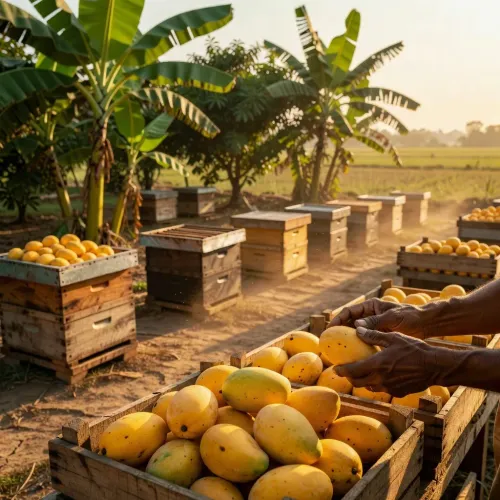
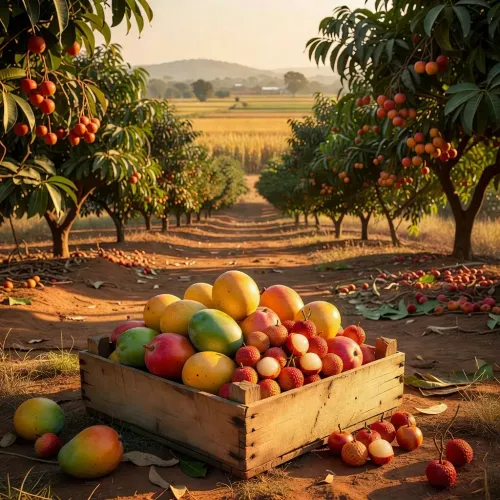
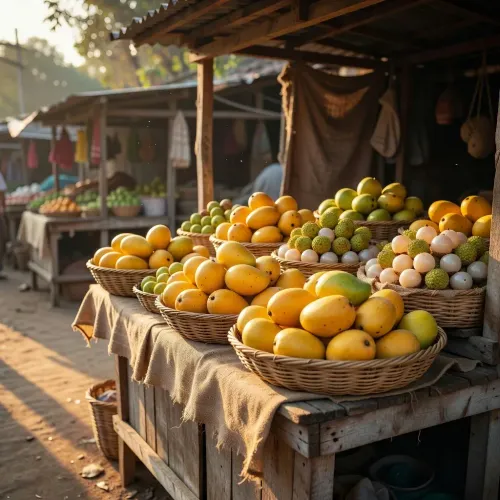
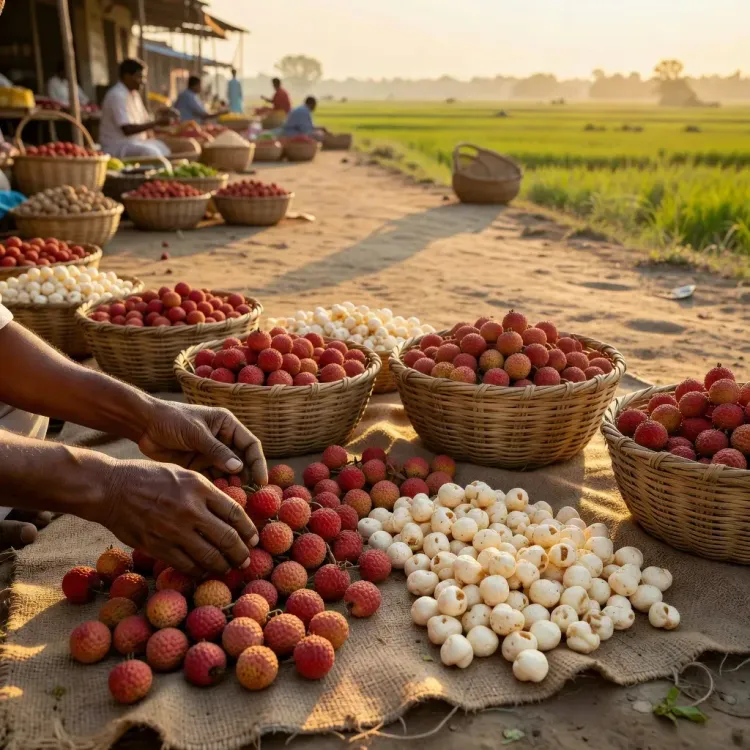
Bihar produces GI-tagged items such as Shahi Litchi , Makhana , and Jardalu Mango that could benefit from such a framework.
Formal details of the integrated strategy, including budget provisions and institutional mechanisms, are yet to be announced.
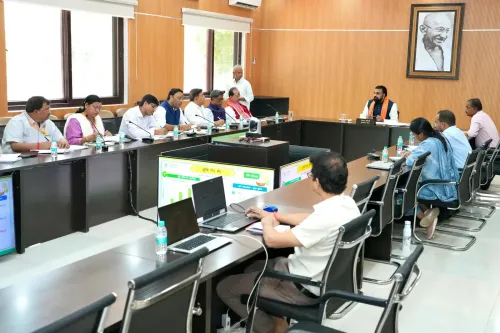
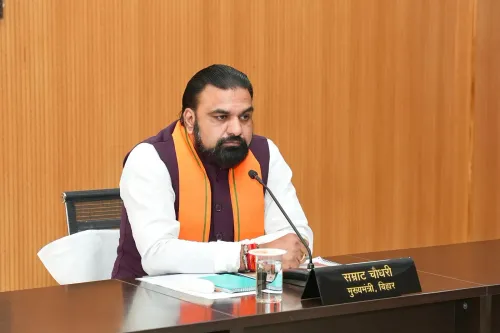
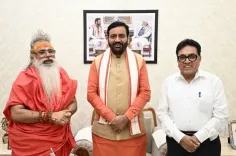
The Chief Minister's Office of Bihar on Tuesday, 23 June 2026 shared that a senior government official stressed the need to build an integrated strategy to win new recognition for Bihar's distinctive agricultural products in national and international markets, with the aim of securing better market access and fair prices for farmers.
Context
The post, shared via the official @officecmbihar account, quotes an address in which the speaker emphasised — 'समेकित रणनीति तैयार करने पर बल दिया' ('stressed the need to build an integrated strategy') — to give Bihar's unique farm produce a fresh identity in both domestic and global markets. The statement adds that this will help ensure farmers receive 'उचित मूल्य' ('fair price') for their output.
Bihar is home to several geographically distinctive agricultural products, including Shahi Litchi, Makhana (fox nuts), and Jardalu Mango, many of which carry Geographical Indication tags. Despite this, the state's farmers have historically struggled to access premium markets beyond local mandis.
Policy Backdrop
The push aligns with the Government of India's Agricultural Export Policy of 2018, which sought to double agricultural exports and raise farm incomes by promoting value addition and branding of region-specific produce. Several Indian states have since developed sub-national strategies to complement this national framework.
Chief Minister Nitish Kumar has, since 2005, placed agricultural revival and rural infrastructure at the centre of Bihar's development agenda. The state has periodically announced schemes targeting crop diversification, post-harvest management, and market linkage for its farmers.
Stakeholders and Impact
The primary beneficiaries of such an integrated strategy would be Bihar's farming communities, who currently receive lower prices partly because distinctive local produce lacks consistent branding and direct access to export channels. Agri-exporters and food-processing enterprises operating in the state would also stand to gain from a more structured policy framework.
A coordinated strategy could help route Bihar's niche farm products through formal export pipelines, reducing dependence on intermediaries and improving income at the farm gate. The emphasis on both national and international markets signals an ambition to move beyond regional trade.
What's Next
Observers will watch for a formal release of the proposed integrated strategy document, along with any accompanying budget provisions, institutional mechanisms, or memoranda of understanding with export promotion bodies. The Bihar government's next steps — including whether specific products, target markets, or timelines are announced — will determine the practical reach of this policy signal.
If translated into concrete action, the initiative could set a template for other agrarian states seeking to leverage distinctive produce for export-led farm income growth within India's federal agricultural policy architecture.
Point of View
Agricultural branding has long served a dual political and economic purpose, reinforcing his identity as a pro-farmer administrator ahead of any electoral cycle. The real test will be whether this policy signal is backed by a formal strategy document, dedicated export infrastructure, and linkages with central export promotion bodies.
NationPress
24 Jun 2026
Frequently Asked Questions
What did the Bihar Chief Minister's Office announce about agriculture on 23 June 2026?
The Chief Minister's Office of Bihar shared that an official stressed the need to build an integrated strategy to market Bihar's distinctive agricultural products in national and international markets, ensuring better prices for farmers.
Which Bihar farm products could benefit from an international marketing strategy?
Bihar's GI-tagged products such as Shahi Litchi, Makhana (fox nuts), and Jardalu Mango are among the distinctive agricultural items that could gain wider recognition and better prices through such a strategy.
How does Bihar's agricultural strategy relate to India's national farm export policy?
Bihar's push aligns with the Government of India's Agricultural Export Policy of 2018, which encourages states to promote value addition and branding of region-specific produce to boost farmer incomes and agricultural exports.
What is the goal of Bihar's proposed integrated agricultural strategy?
The goal is to secure new recognition for Bihar's unique farm produce in domestic and global markets, improve market access for farmers, and ensure they receive a fair price for their output.
What should Bihar farmers and agri-exporters watch for next?
Stakeholders should watch for a formal release of the integrated strategy document, along with budget allocations, institutional mechanisms, and any partnerships with export promotion bodies that would give the initiative practical effect.