What’s Behind the Bihar Ex-CM’s Demand to Retain Government Bungalows?
Synopsis
Amid the controversy surrounding the eviction of two former Bihar Chief Ministers, we explore the broader implications of political attachments to government residences. Why do politicians resist vacating these properties, and what does it say about power dynamics? Discover the intricate relationship between politics and prestige in official accommodations.
Key Takeaways
Political bungalows symbolize power and status .
Legal battles often accompany eviction orders .
Evictions highlight the relationship between politicians and public resources .
Public sentiment can influence political actions regarding accommodations .
Notable exceptions exist, but they are rare .
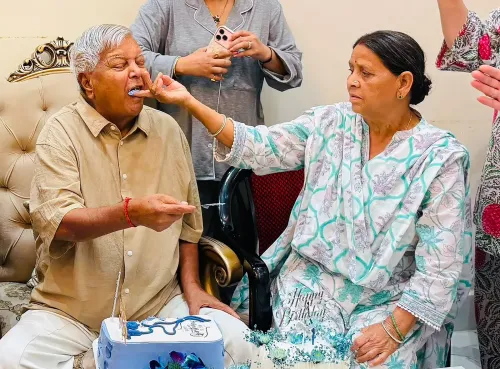
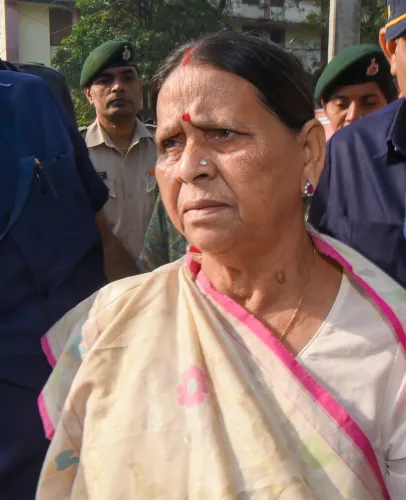
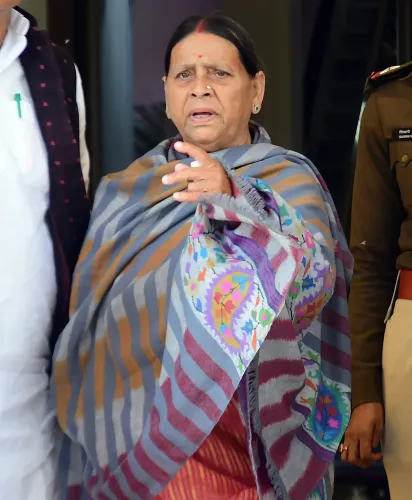
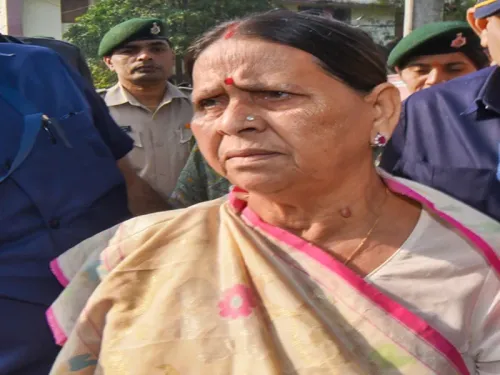
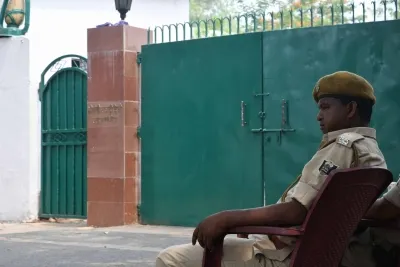
New Delhi, Nov 28 (NationPress) Official directives instructing two former Chief Ministers of Bihar, Lalu Prasad and his spouse Rabri Devi, to vacate their residences that were allocated nearly twenty years ago, based on their roles at that time, is not an isolated case. The response to contest this order, citing personal difficulties and purported hidden political motives, is also not unique. The bungalow in question, located at 10, Circular Road, is situated in the Civil Lines district of Patna, the state capital.
This residence has transformed over the past two decades into a political stronghold, regardless of which party is in power. The colonial architecture and expansive lawns have hosted significant meetings, welcoming a range of visitors from esteemed dignitaries to everyday citizens, as well as serving as a backdrop for media briefings.
The reluctance to leave comes despite the official provision of alternative housing for Rabri Devi, who serves as the Leader of Opposition in the Bihar Legislative Council.
Her son, Tejashwi Yadav, also attempted to cling to the large bungalow designated to him as the Deputy Chief Minister of the state. He was ordered to vacate after Nitish Kumar’s Janata Dal (United) broke its alliance with the Rashtriya Janata Dal (RJD), led by Lalu Prasad. Tejashwi eventually complied, but only after a legal confrontation, as the Supreme Court dismissed his challenge against a Patna High Court ruling mandating his departure. Initially, he resisted relocating to the alternative housing provided to him as the opposition leader until the court intervened. The vacated residence was later assigned to the current Deputy CM, Samrat Choudhary.
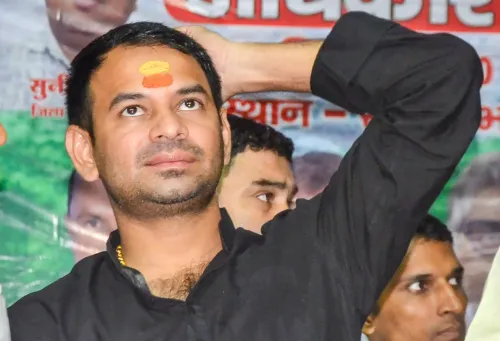
At the same time, Tejashwi’s older brother, Tej Pratap Yadav, a former minister, has also been ordered to vacate his home to make way for a current state minister. Not just in Bihar, politicians and dignitaries in various regions are keen on retaining official residences and amenities long after their tenure ends, largely due to the sense of prestige and influence associated with such properties.
In 2018, former Chief Ministers of Uttar Pradesh, Mulayam Singh Yadav and his son Akhilesh, approached the Supreme Court requesting a reasonable timeframe to vacate their government residences. The apex court ruled that they could not hold on to government accommodations subsequent to leaving office.
There are also exceptions, illustrated by the case of Namita, the foster daughter of former Prime Minister Atal Bihari Vajpayee, who wrote to the government after his death in 2018, expressing her wish to vacate the expansive bungalow in central Delhi. She requested the withdrawal of special protections and security, stating that her family faced no threats.
Namita, along with her husband, Ranjan Bhattacharya, and their daughter, Niharika, resided at the 7, Krishna Menon Marg home until Vajpayee's passing. Such instances remain rare.
In July 2024, the Union Ministry of Housing and Urban Affairs issued eviction notices under the Public Premises (Eviction of Unauthorised Occupants) Act to over 200 former Members of Parliament who had failed to vacate their allotted residences in Lutyens’ Delhi. They were formally instructed to leave after exceeding the one-month grace period following the dissolution of the last Lok Sabha.
In 2023, Mahua Moitra, a leader from the Trinamool Congress, sought judicial intervention when she was instructed to vacate her residence at 9B, Telegraph Lane after being expelled from her position as a Lok Sabha MP amid an alleged cash-for-question scandal. The Delhi High Court refused to halt her eviction post-allotment cancellation, emphasizing the limited legal safeguards once parliamentary status is revoked.
In 2014, significant protests erupted in central Delhi when eviction proceedings commenced against Ajit Singh after he ceased to be a Union Minister. He resisted leaving, referencing his late father, Charan Singh’s, ties to the bungalow. In September of that year, his supporters successfully obstructed efforts to initiate eviction proceedings at his 12, Tughlaq Road residence.
In 2009, as many as 17 former ministers were residing in government accommodations in the national capital, including notable individuals like Jagdish Tytler, Mani Shankar Aiyar, Shankar Singh Vaghela, Renuka Chowdhury, Saleem Sherwani, and Charanjit Singh Atwal, among others. High-profile cases have also involved occupants of Raj Bhavan and residences designated for Chief Justices.
Point of View
It is crucial to note that the struggle over government bungalows reflects not only personal entitlement but also the broader political culture in India. The persistence of former leaders to retain these residences speaks volumes about the connection between authority and the spaces they inhabit. This situation warrants careful examination, as it can shape public perception and trust in governance.
NationPress
30 Sept 2026
Frequently Asked Questions
Why are former politicians reluctant to vacate their government bungalows?
Former politicians often perceive these residences as symbols of their past power and prestige, leading to reluctance in vacating them.
What legal recourse do former leaders have when ordered to vacate?
Former leaders can challenge eviction orders in court, though legal protections diminish after leaving office.
Are there any notable exceptions to eviction orders?
Yes, there have been rare instances, such as Namita Vajpayee, who voluntarily vacated her residence after her father's passing.
What prompted the eviction notices for former MPs in Delhi?
The eviction notices were issued following the dissolution of the previous Lok Sabha, as many former MPs failed to vacate their allotted residences.
How does the situation in Bihar compare with other states?
Similar situations arise in various states, as politicians across India seek to retain official residences long after their tenure.