Bihar floods: CM Samrat Choudhary surveys damage as Son Barrage discharge hits 5.18 lakh cusecs
Synopsis
Bihar's flood emergency sharpened on 4 September as the Son Barrage at Indrapuri hit 5.18 lakh cusecs — and still rising. With CM Samrat Choudhary taking to the skies for a firsthand survey and the Kosi and Gandak holding steady, the Son River's downstream villages have become the administration's most urgent watch point.
Key Takeaways
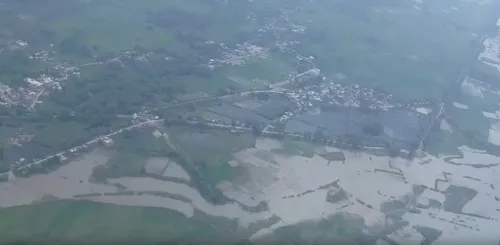
Chief Minister Samrat Choudhary conducted an aerial survey of flood-hit areas in Bihar on 4 September and directed officials to ensure swift relief.
The Son Barrage at Indrapuri recorded the highest discharge at approximately 5.18 lakh cusecs by 2 pm , with an upward trend still in progress.
Discharge at Son Barrage rose by 43,741 cusecs between 11 am and 2 pm ; its design capacity is 14.58 lakh cusecs .
The Kosi Barrage at Birpur recorded 1,91,175 cusecs and the Gandak Barrage at Valmikinagar held at 1,42,800 cusecs — both categorised as 'steady'.
Residents in vulnerable areas along the Son and other rivers have been advised to remain alert and follow local administration advisories.
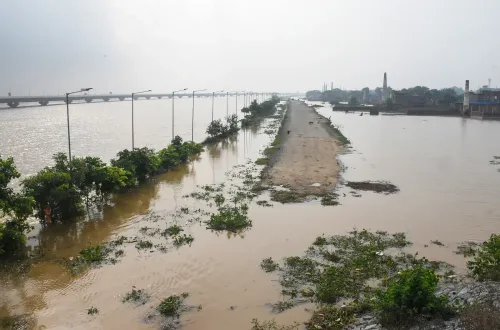
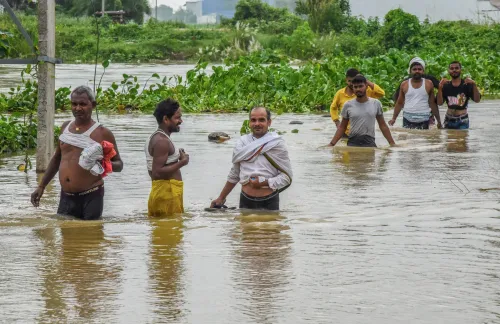
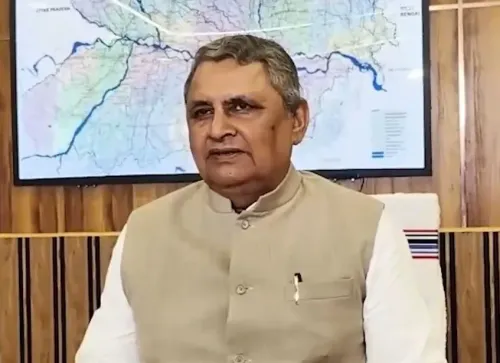
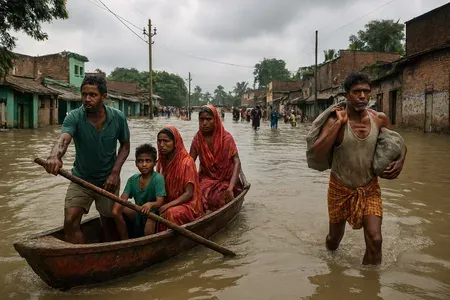
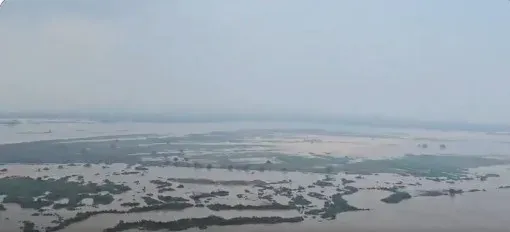
Flood concerns in Bihar deepened on Friday, 4 September as water levels in multiple rivers continued to climb and large volumes of water were discharged from three major barrages — the Son, Kosi, and Gandak. Chief Minister Samrat Choudhary conducted an aerial survey of flood-affected districts and reviewed relief and rescue operations underway across the state.
Aerial Survey and Administration Response
Chief Minister Choudhary shared details of his aerial assessment on social media platform X, confirming he had reviewed the situation firsthand and examined the relief measures being implemented by the administration. He directed officials to act swiftly and effectively to ensure timely assistance to residents in affected areas, minimise hardship, and protect lives and property.
Son Barrage: The Primary Concern
According to data from the Water Resources Department recorded up to 2 pm on Friday, the Son Barrage at Indrapuri recorded the highest discharge among the three barrages — approximately 5.18 lakh cusecs — with the flow still showing an upward trend. Between 11 am and 2 pm, discharge at the Son Barrage rose by 43,741 cusecs over three hours. The barrage has a design discharge capacity of 14.58 lakh cusecs. The rising discharge has intensified monitoring of downstream villages and low-lying areas along the Son River.
Kosi and Gandak Barrages Remain Steady
At the Kosi Barrage in Birpur, discharge showed a marginal decline during the same period — from 2,02,310 cusecs at 11 am to 1,91,175 cusecs by 2 pm. The Water Resources Department described the Kosi trend as 'steady', though officials are maintaining close surveillance of the river's embankments given its historical sensitivity to sudden level changes.
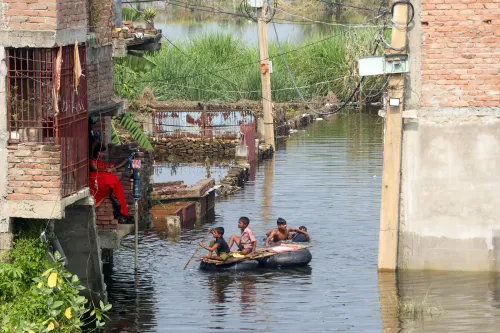
At the Gandak Barrage in Valmikinagar, discharge held unchanged at 1,42,800 cusecs from 11 am to 2 pm, also categorised as 'steady' by the department. The Gandak Barrage has a design discharge capacity of 8.50 lakh cusecs. Flood and waterlogging conditions are already affecting areas along the Gandak, and officials are monitoring downstream zones for any sudden change.
Ground Situation and Public Advisory
With several parts of Bihar already grappling with rising river levels and flood-related disruption, the administration has stepped up monitoring — particularly in villages and low-lying zones along the Son and other rivers. Residents in vulnerable areas have been advised to remain alert and comply with warnings issued by local authorities. The Water Resources Department noted that discharge figures are assessed on the basis of data from the preceding two hours and can change continuously, underscoring the fluid nature of the situation.
As the Son Barrage discharge continues its upward trend, the coming hours are expected to be critical for downstream communities in Bihar.
Point of View
But the real test is on the ground — whether relief machinery reaches the last-mile villages before the Son's rising discharge translates into inundation. Bihar's flood vulnerability is structural: the state sits at the confluence of Himalayan rivers whose discharge spikes are fast and steep. The Son Barrage's upward trend, even at a fraction of its 14.58 lakh cusecs design capacity, is enough to overwhelm embankments in low-lying areas that have seen repeated breaches in past monsoons. The 'steady' readings at Kosi and Gandak offer only partial comfort — the Kosi, in particular, has a documented history of sudden course changes that official 'steady' labels have failed to anticipate.
NationPress
4 Sept 2026
Frequently Asked Questions
What is the current flood situation in Bihar on 4 September?
Flood conditions in Bihar worsened on 4 September as water levels in multiple rivers rose and large discharges were recorded at the Son, Kosi, and Gandak barrages. The Son Barrage at Indrapuri recorded the highest discharge at around 5.18 lakh cusecs, with the trend still rising as of 2 pm.
Why is the Son Barrage discharge a concern for Bihar?
The Son Barrage at Indrapuri recorded a discharge of approximately 5.18 lakh cusecs by 2 pm on 4 September, with an upward trend continuing. A rise of 43,741 cusecs was recorded in just three hours, raising the risk of inundation in downstream villages and low-lying areas along the Son River.
What action has Bihar CM Samrat Choudhary taken?
Chief Minister Samrat Choudhary conducted an aerial survey of flood-affected areas on 4 September and reviewed ongoing relief and rescue operations. He directed officials to act swiftly to provide timely assistance, minimise hardship, and protect lives and property in affected regions.
What is the status of the Kosi and Gandak barrages?
The Kosi Barrage at Birpur showed a slight decline in discharge, settling at 1,91,175 cusecs by 2 pm, while the Gandak Barrage at Valmikinagar remained unchanged at 1,42,800 cusecs. The Water Resources Department categorised both as 'steady', though monitoring continues given the rivers' sensitivity.
What should residents in flood-affected areas of Bihar do?
Residents in vulnerable areas along the Son and other rivers have been advised to stay alert and follow warnings and advisories issued by local authorities. Officials are continuously monitoring river levels and barrage discharges, and the situation can change rapidly.