Bihar-Jharkhand Son River water deal ends 26-year dispute
Synopsis
A 26-year standoff over the Son River ended in New Delhi when Bihar and Jharkhand agreed to split 7.75 MAF — Bihar gets 5.57 MAF, Jharkhand 2 MAF. The deal unblocks Bihar's long-stalled Indrapuri Reservoir Project and gives Jharkhand its first formal water entitlement since breaking away from Bihar in 2000.
Key Takeaways
Bihar and Jharkhand signed a Son River water-sharing agreement on 31 August , ending a 26-year dispute.
Bihar receives 5.57 MAF ; Jharkhand receives 2 MAF from a total allocation of 7.75 MAF .
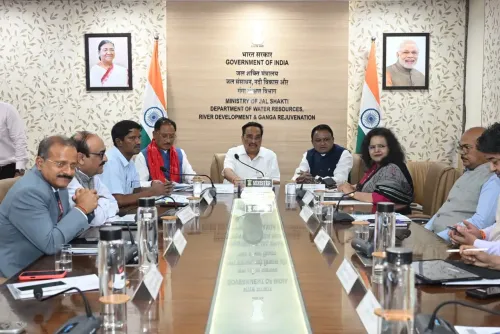
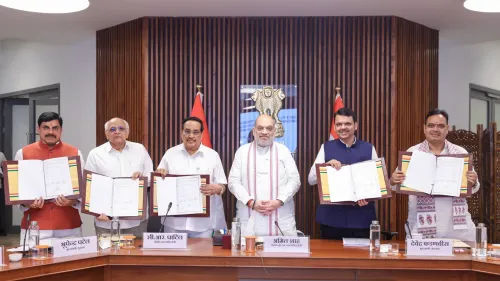
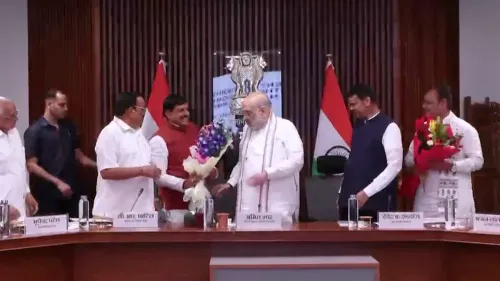
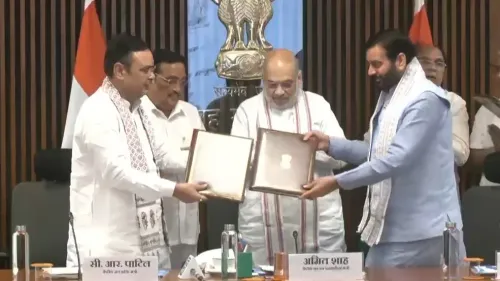
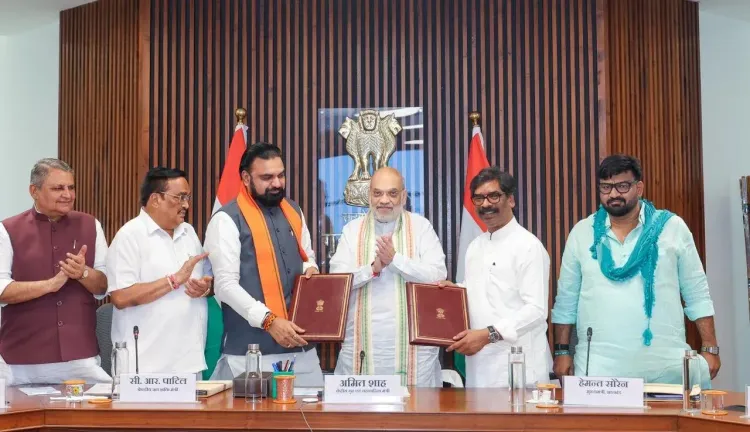
The deal was brokered at a New Delhi meeting chaired by Union Home Minister Amit Shah , attended by CMs Samrat Choudhary and Hemant Soren .
The dispute began when Jharkhand was carved out of Bihar in 2000 and claimed a share of the river's water.
Bihar's stalled Indrapuri Reservoir Project can now move forward after Jharkhand's long-withheld NOC is expected to follow.
Bihar and Jharkhand have resolved a 26-year-old dispute over the waters of the Son River, reaching a landmark agreement in New Delhi that allocates defined shares to both states for the first time since Jharkhand's formation. The settlement, brokered at a high-level meeting chaired by Union Home Minister Amit Shah, closes one of the longest-running inter-state water conflicts in eastern India.
The Water Allocation Breakdown
Under the agreement, Bihar will receive 5.57 million acre-feet (MAF) of water from the Son River, while Jharkhand will get 2 MAF. The total allocation of 7.75 MAF mirrors the original quota assigned to undivided Bihar under the Bansagar Project agreement of 1973, alongside Madhya Pradesh and Uttar Pradesh.
Who Was in the Room
The consensus was reached at a meeting attended by Bihar Chief Minister Samrat Choudhary, Jharkhand Chief Minister Hemant Soren, and Union Jal Shakti Minister C.R. Paatil, with Home Minister Amit Shah presiding. Choudhary subsequently announced the development via a post on X, calling it a 'historic achievement in Bihar's interest.' He credited Prime Minister Narendra Modi and Home Minister Shah for facilitating the resolution.
Roots of the Dispute
The conflict traces back to 2000, when Jharkhand was carved out of Bihar. The new state argued it deserved a share of the Son River's water, given that the river's source and significant catchment area fall within its territory. Bihar, however, maintained its claim to the full 7.75 MAF allocation originally granted under the 1973 Bansagar Project accord. The standoff persisted for over two and a half decades, with neither side yielding ground.
Projects Held Hostage
The unresolved dispute had concrete consequences: Bihar's proposed Indrapuri Reservoir Project was effectively stalled because Jharkhand withheld its No Objection Certificate (NOC), citing the unresolved water-sharing question. The new agreement clears that procedural blockage, potentially reviving a project critical to irrigation infrastructure in the region.
What Changes Now
With defined allocations in place, both states can now plan water-management and irrigation investments with greater certainty. For Bihar, the settlement is particularly significant in agricultural zones dependent on Son River irrigation. Choudhary noted that the agreement would expand irrigation access, benefit farmers, and accelerate development. Jharkhand, in turn, gains formal recognition of its water entitlement — a key demand since its formation. The resolution is expected to set a cooperative tone between the two neighbouring states on broader resource-management questions going forward.
Point of View
And the Son River case — frozen for 26 years by the administrative accident of a state bifurcation — is a textbook example of how infrastructure projects get held hostage to unresolved political boundaries. The Centre's role as mediator here is notable: Amit Shah's presence signals that the Modi government is using its political capital to push through settlements that state-level negotiations could not. What remains to be seen is whether the NOC for the Indrapuri Reservoir Project follows swiftly, or whether new implementation disputes emerge around the allocation mechanics. Water-sharing agreements are only as durable as the monitoring frameworks that enforce them — and that detail is conspicuously absent from the announcement.
NationPress
31 Aug 2026
Frequently Asked Questions
What is the Bihar-Jharkhand Son River water agreement?
It is a water-sharing settlement reached on 31 August in New Delhi, under which Bihar will receive 5.57 MAF and Jharkhand 2 MAF from the Son River's total allocation of 7.75 MAF. The deal ends a dispute that had persisted for 26 years since Jharkhand was formed in 2000.
Why did the Son River dispute last 26 years?
When Jharkhand was carved out of Bihar in 2000, the new state claimed a share of the Son River's water, arguing that the river's source and catchment area lie within its territory. Bihar maintained its claim to the full 7.75 MAF originally allocated to undivided Bihar under the 1973 Bansagar Project agreement, leading to a prolonged standoff.
What is the Indrapuri Reservoir Project and how is it affected?
The Indrapuri Reservoir Project is a proposed Bihar irrigation project that was stalled because Jharkhand withheld its No Objection Certificate amid the water dispute. With the new agreement defining each state's share, the NOC blockage is expected to be cleared, allowing the project to progress.
Who brokered the Son River water deal?
The agreement was reached at a meeting in New Delhi chaired by Union Home Minister Amit Shah, attended by Bihar Chief Minister Samrat Choudhary, Jharkhand Chief Minister Hemant Soren, and Union Jal Shakti Minister C.R. Paatil.
How will the agreement benefit Bihar's farmers?
Bihar Chief Minister Samrat Choudhary said the deal will increase water availability for irrigation, directly benefiting farmers and strengthening agriculture, particularly in regions that rely on Son River irrigation systems.