Bihar CM Office Unveils Fisheries Vision 2030 Plan
Synopsis
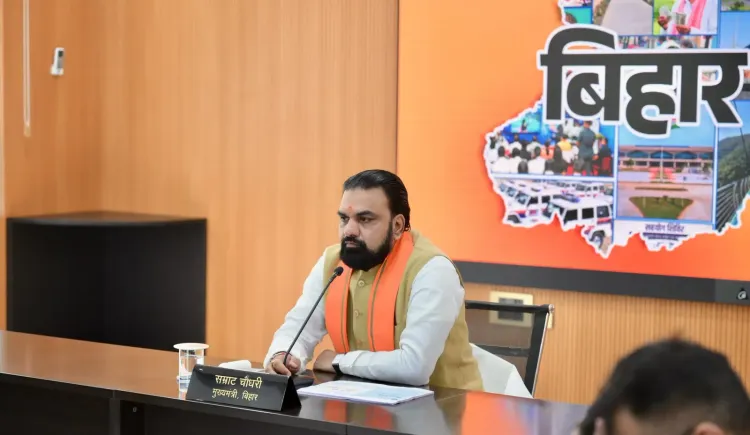
Bihar's Chief Minister's Office has announced 'Vision 2030', a plan to build dedicated fisheries clusters in eight districts — Siwan, Saran, Munger, Bhagalpur, Khagaria, Katihar, Motihari, and Mithila — through eight priority projects aimed at strengthening the full fish value chain from production to value addition.
Key Takeaways
Bihar's 'Vision 2030' proposes to strengthen the entire fisheries value chain from production to value addition.
Eight priority projects will drive the development of special fisheries clusters across targeted districts.
The districts covered are Siwan, Saran, Munger, Bhagalpur, Khagaria, Katihar, Motihari, and the Mithila region .
The cluster model aims to improve infrastructure and market linkages for fish farmers and rural cooperatives .
The plan aligns with the central government's Blue Revolution scheme launched in 2015 for inland fisheries development.
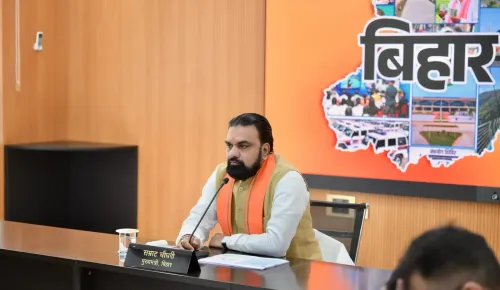
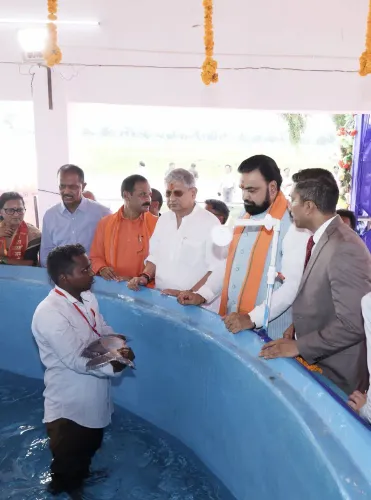
Eight districts, one ambitious blueprint — Bihar's Chief Minister's Office has outlined a sweeping plan to transform the state's fisheries sector from raw production to high-value processing, anchored by a framework called 'Vision 2030'.
Eight clusters, eight districts — the geography of the plan
The proposal targets Siwan, Saran, Munger, Bhagalpur, Khagaria, Katihar, Motihari, and the Mithila region — a spread that covers Bihar's Ganga basin heartland, where riverine and inland water resources have long supported fishing communities. Each district would host a dedicated fisheries cluster developed through eight priority projects, designed to upgrade infrastructure, processing capacity, and market linkages in tandem.
The official statement said the entire fish value chain — 'उत्पादन से लेकर मूल्यवर्धन तक' (from production to value addition) — would be strengthened under the vision. That phrase is the crux: the plan is not just about catching more fish, but about ensuring farmers capture a larger share of the final price.
Why cluster-based fisheries development matters for Bihar
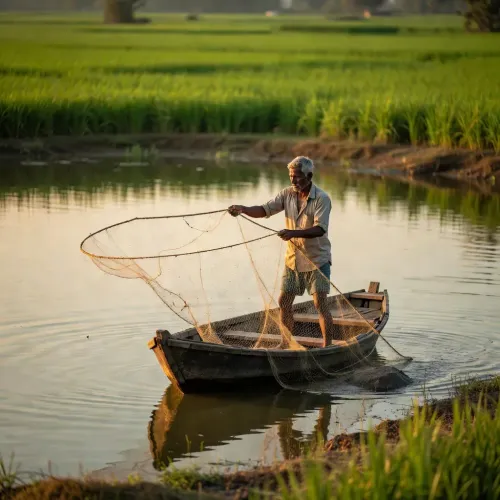
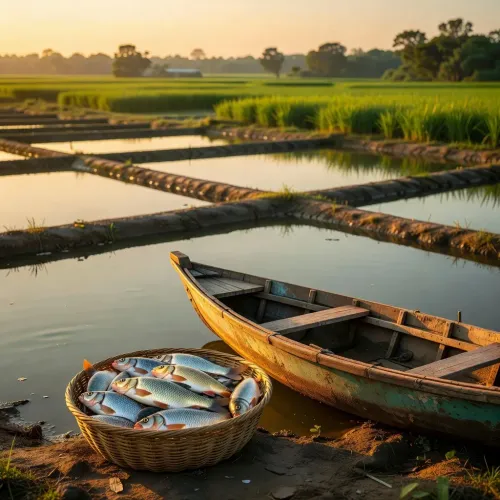
Bihar's geography is an underused asset. The state's extensive network of rivers, ponds, and wetlands — fed by the Ganga and its tributaries — gives it natural fisheries potential that has historically been underexploited relative to coastal states. Cluster-based development, where infrastructure, cold chains, and processing units are co-located near production zones, is the model that has driven gains in other allied-agriculture sectors across India.
The approach also aligns with the central government's Blue Revolution scheme, launched in 2015, which has channelled funds toward inland fisheries development in states like Bihar. A coordinated state-level vision layered on top of central funding is the standard playbook for scaling such sectors — and the eight-district spread suggests the state is thinking at scale.
For fish farmers and rural cooperatives in these districts, the cluster model promises something concrete: proximity to processing and cold-storage facilities that currently force many to sell at distress prices to intermediaries immediately after harvest.
What the plan still needs to show
Announcements of cluster frameworks are the starting line, not the finish. The critical details — budget allocations, implementation timelines, and which agency will anchor each cluster — remain to be formalised. Bihar's track record in allied-agriculture investment will be tested by how quickly these eight priority projects move from proposal to ground-level infrastructure.
If the vision translates into operational clusters by 2030, it could meaningfully shift rural incomes across some of the state's most densely populated districts. That is the bet Bihar is now publicly placing.
Point of View
The Blue Revolution — to unlock targeted district-level investment. The choice of districts is politically and geographically deliberate: the Ganga basin belt has both the water resources and the rural poverty profile that make fisheries value-chain upgrades high-impact. The real test of 'Vision 2030' will be whether it produces binding budget lines and agency mandates, or remains a directional statement. For a state that has historically lagged in agri-processing infrastructure, operationalising even half of these clusters before 2030 would represent a meaningful structural shift.
NationPress
28 Sept 2026
Frequently Asked Questions
What is Bihar's Vision 2030 for fisheries?
'Vision 2030' is Bihar's framework to strengthen the full fisheries value chain — from fish production to value addition and processing — through the development of special fisheries clusters in eight priority districts.
Which districts are included in Bihar's fisheries cluster plan?
The eight districts proposed for special fisheries clusters are Siwan, Saran, Munger, Bhagalpur, Khagaria, Katihar, Motihari, and the Mithila region.
How many priority projects are part of Bihar's fisheries Vision 2030?
Bihar's Vision 2030 fisheries plan involves eight priority projects, one corresponding to each of the targeted cluster districts.
What is the Blue Revolution scheme and how does it relate to Bihar?
The Blue Revolution is a central government scheme launched in 2015 to enhance fish production and productivity across India. Bihar, with its extensive Ganga basin water resources, is one of the states targeted for inland fisheries development under this scheme.
Who benefits from Bihar's fisheries cluster development plan?
Fish farmers and rural cooperatives in the eight targeted districts stand to benefit most, as the cluster model aims to bring processing, cold storage, and market linkages closer to production zones, reducing dependence on intermediaries.