Bihar MLC disqualification petitions dismissed on procedural grounds
Synopsis
The Bihar Legislative Council Secretariat dismissed all anti-defection petitions against newly-elected Independent MLCs Banshidhar Brajwasi and Rahul Raj — but on procedural grounds, not on merit. The two were accused of joining the BJP after photographs showed them in party scarves with membership receipts. The ruling gives them temporary relief while leaving the door open for a properly filed challenge.
Key Takeaways
The Bihar Legislative Council Secretariat dismissed all disqualification petitions against Banshidhar Brajwasi and Rahul Raj on 18 November 2026 .
Petitions filed by five RJD leaders were rejected for procedural deficiencies including improper format and faulty affidavits.
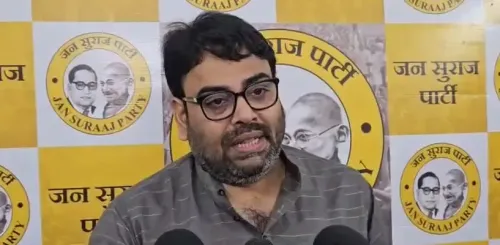
Petitions from Jan Suraaj leader Kishor Kumar and four others were dismissed because non-members of the House cannot file disqualification petitions.
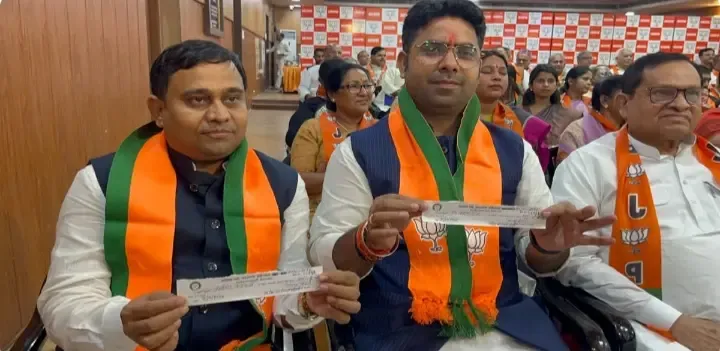
The controversy arose after both MLCs visited the BJP office in Patna , with photographs showing them in BJP scarves holding membership receipts.
The Secretariat's ruling was on procedural grounds , not merit — leaving the possibility of a fresh, compliant petition open.
The Bihar Legislative Council Secretariat on 18 November 2026 dismissed all petitions seeking the disqualification of two newly-elected Independent members — Banshidhar Brajwasi and Rahul Raj — under the anti-defection law, granting both legislators temporary relief from a challenge to their membership. The petitions had accused the two MLCs of joining the Bharatiya Janata Party (BJP) shortly after winning their seats as Independent candidates.
What the Secretariat Ruled
The decision to dismiss the petitions was taken on the directions of the Acting Chairman of the Legislative Council. Deputy Secretary Manoj Kumar issued separate official letters to petitioners, citing failure to meet the legal and procedural standards required under the Tenth Schedule of the Constitution and the Bihar Legislative Council Members' Rules, 1994. The applications were found unfit for consideration and rejected at the preliminary stage itself.
Who Filed the Petitions and Why They Were Rejected
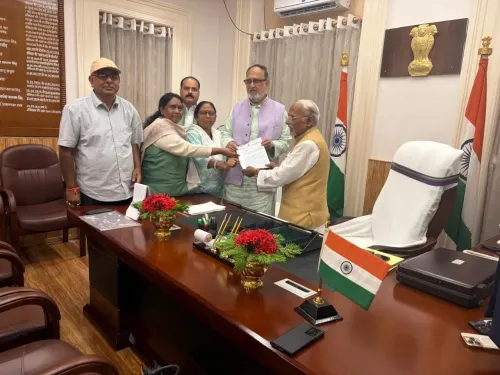
Two sets of petitioners had approached the Secretariat. Five Rashtriya Janata Dal (RJD) leaders — Abdul Bari Siddiqui, Dr Sunil Kumar Singh, Shashi Yadav, Rajiv Kumar, and Afaq Ahmed — filed petitions seeking action against Brajwasi and Rahul Raj. Their applications were dismissed on procedural grounds, including failure to use the prescribed format and deficiencies in the required affidavits and verification process.
Five other applicants — including Jan Suraaj leader and former MLA Kishor Kumar, Sandeep Kumar, advocate Ramesh Kumar Singh Chandel, Rupesh Kumar Kunwar, and Vimohan Kumar — were rejected on a separate legal ground: only a sitting member of the Legislative Council is entitled to file a disqualification petition. Individuals who are not members of the House do not have the authority to initiate such proceedings, the Secretariat stated.
The Controversy: BJP Scarves and Membership Receipts
The dispute originated shortly after Brajwasi and Rahul Raj won the Bihar Legislative Council elections as Independent candidates. Within days of their victory, both visited the BJP office in Patna. Photographs subsequently emerged showing the two wearing BJP scarves and holding what appeared to be membership receipts, triggering allegations from the RJD and Jan Suraaj that they had formally joined the ruling party.
Both MLCs and the BJP denied a formal merger, maintaining that the two had extended only external support and had not become full members of the party. This distinction is legally significant: the Tenth Schedule applies to formal party membership, not to external support arrangements.
What This Means Going Forward
With all petitions dismissed on procedural and legal grounds, Brajwasi and Rahul Raj have secured temporary relief. Notably, the Secretariat's rejection was not on the merits of the disqualification claim but on procedural deficiencies — meaning fresh, properly filed petitions by eligible members could potentially revive the challenge. This comes amid broader scrutiny of Independent legislators aligning with ruling formations across states, a pattern that has repeatedly tested the limits of anti-defection provisions in India's parliamentary history.
Point of View
Not a clean chit. Dismissing petitions at the threshold stage on format and affidavit defects leaves the underlying question — whether two Independents effectively crossed the floor — entirely unresolved. That matters, because anti-defection law in India has historically struggled to keep pace with the political practice of 'external support,' which has become a convenient legal grey zone for post-election realignments. If the RJD files a fresh, procedurally compliant petition through a sitting member, the same controversy returns. What this episode really exposes is how the Tenth Schedule's procedural gatekeeping can delay accountability well beyond the political moment it was meant to address.
NationPress
18 Nov 2026
Frequently Asked Questions
Why were the disqualification petitions against Bihar MLCs Brajwasi and Rahul Raj dismissed?
The Bihar Legislative Council Secretariat dismissed the petitions because they failed to meet legal and procedural requirements under the Tenth Schedule of the Constitution and the Bihar Legislative Council Members' Rules, 1994. RJD petitions were rejected for deficiencies in prescribed format and affidavits, while non-member petitioners were told they lacked the legal standing to file such petitions.
What triggered the anti-defection demands against the two MLCs?
The controversy began after Banshidhar Brajwasi and Rahul Raj, who won Bihar Legislative Council elections as Independent candidates, visited the BJP office in Patna days after their victory. Photographs showing them wearing BJP scarves and holding membership receipts led the RJD and Jan Suraaj to allege they had formally joined the BJP and demand action under the anti-defection law.
Can fresh disqualification petitions be filed against the two MLCs?
Yes. The Secretariat's dismissal was on procedural grounds rather than the merits of the case, meaning properly filed petitions by eligible sitting members of the Legislative Council could potentially revive the challenge. The underlying political and legal question remains unresolved.
Who is entitled to file a disqualification petition in the Bihar Legislative Council?
Under the applicable rules, only a sitting member of the Bihar Legislative Council is entitled to file a petition seeking disqualification of another member under the anti-defection law. The petitions from Jan Suraaj leader Kishor Kumar and four others were rejected on this ground because they were not members of the House.
What is the Tenth Schedule of the Indian Constitution?
The Tenth Schedule, commonly known as the anti-defection law, was added to the Constitution in 1985 and provides for the disqualification of elected members who voluntarily give up party membership or vote against party directions. It applies to formal party affiliation, and its application to 'external support' arrangements by Independents remains a contested legal area.