BJP accuses Congress of ISI 'match fixing' over 26/11 Mumbai attack probe
Synopsis
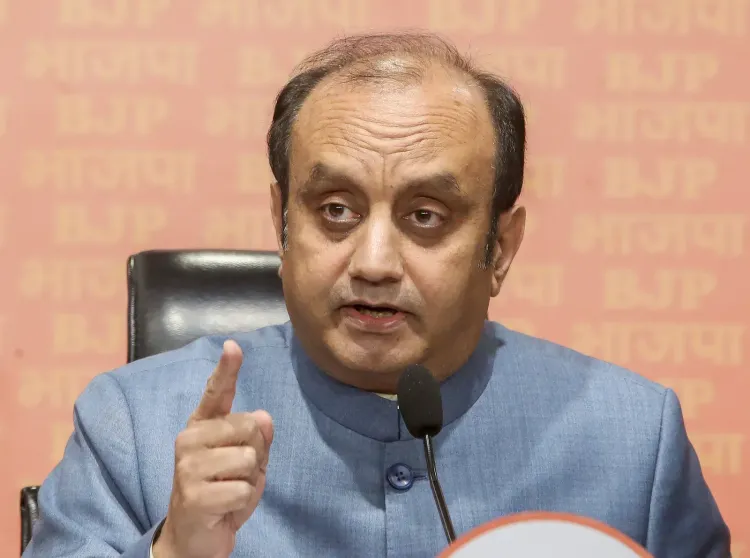
BJP's Sudhanshu Trivedi has levelled one of the sharpest post-26/11 political attacks in recent memory — alleging that the UPA government's handling of the Mumbai terror probe amounted to 'match fixing' with Pakistan's ISI. From the Headley interrogation to the Sharm-El-Sheikh declaration, the BJP is building a case that Congress compromised national security for vote-bank politics.
Key Takeaways
BJP spokesperson Sudhanshu Trivedi alleged 'match fixing' between Pakistan's ISI and the Congress over the 26/11 Mumbai terror attack probe on 13 July .
He cited former Home Ministry Under Secretary RVS Mani as the source of the ISI-Congress collusion claim.
All 10 Pakistani terrorists allegedly carried fake Hindu identity cards and wore 'kalava' threads — confirmed, he said, by Rakesh Maria and Ujjwal Nikam .
The BJP questioned the limited interrogation of 26/11 plotter David Coleman Headley and the Sharm-El-Sheikh joint declaration of July 2009 .
Trivedi also alleged that the Samjhauta Express blast probe was diverted to build a 'saffron terror' narrative, allowing Pakistani accused to escape accountability.
The Congress had not responded to the allegations at the time of reporting.
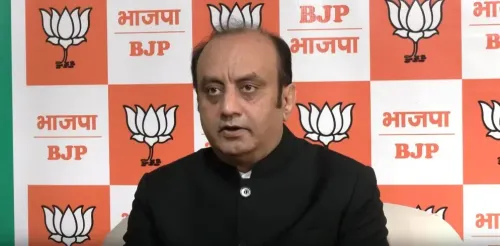
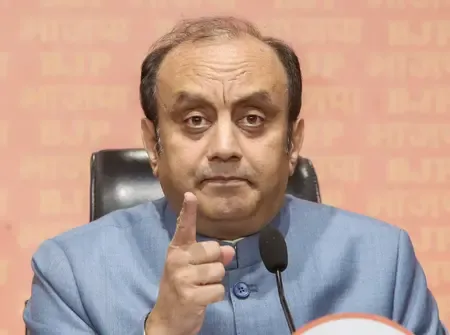
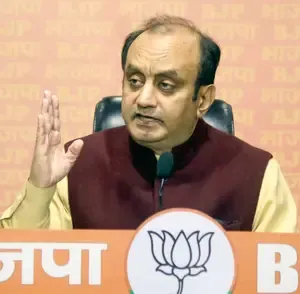
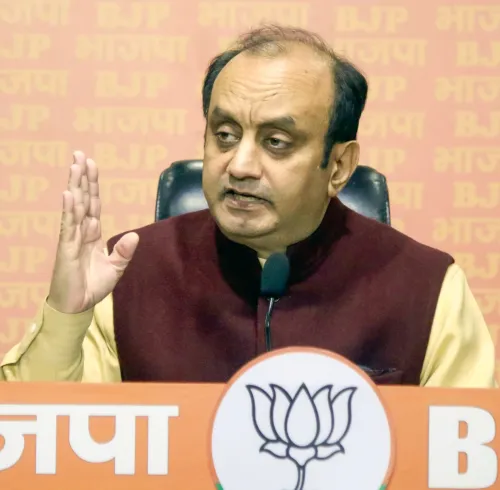
Bharatiya Janata Party (BJP) Rajya Sabha MP and senior spokesperson Sudhanshu Trivedi on Monday, 13 July launched a pointed attack on the Indian National Congress (INC) at a press conference in New Delhi, alleging a 'match fixing' between Pakistan's Inter-Services Intelligence (ISI) and the Congress in the handling of the 26/11 Mumbai terror attacks. Trivedi cited former Home Ministry Under Secretary RVS Mani to buttress his claim, asserting that the United Progressive Alliance (UPA) government's counter-terrorism decisions were driven by vote-bank politics rather than national security imperatives.
The Core Allegation
Trivedi quoted RVS Mani, a former Under Secretary in the Home Ministry, describing what he called a 'match-fixing between Pakistan's infamous ISI agency and the Indian National Congress.' He argued the claim rested not on a single officer's testimony alone, but on a pattern of decisions that, he alleged, reflected the Congress's political inclinations.
The BJP leader contended that the UPA administration was poised to push a 'Hindu terror' narrative in the aftermath of the 26 November 2008 attacks, which killed 166 people. He stated that it was only the sacrifice of Maharashtra Police martyr Tukaram Omble — who gave his life to capture Pakistani terrorist Ajmal Kasab alive — that prevented the attack from being attributed to 'Hindu terrorism.'
The Kasab Evidence and Identity Cards
Trivedi pointed to a specific detail he described as central to the alleged deception: all 10 Pakistani terrorists reportedly carried fake Hindu identity documents and wore sacred 'kalava' threads on their wrists. He said this was later confirmed by then Mumbai Police Commissioner Rakesh Maria and special public prosecutor Ujjwal Nikam.
This, Trivedi argued, was designed to facilitate a false attribution of the attack — a plan that was foiled only after Kasab's capture provided irrefutable proof of Pakistani involvement.
Headley Interrogation and Sharm-El-Sheikh Declaration
The BJP spokesperson also questioned the Congress-led government's handling of David Coleman Headley, a Lashkar-e-Taiba operative identified as a key planner of the 26/11 attacks. Trivedi alleged that instead of pressing for a formal, comprehensive interrogation on Indian soil, the government dispatched officials to the United States for limited interviews — a decision he described as a deliberate dilution of the probe.
He further cited the joint declaration signed at Sharm-El-Sheikh in July 2009 — just eight months after the Mumbai carnage — which stated that peace talks between India and Pakistan would continue regardless of terrorism. Trivedi called this a 'soft stance' that rewarded Pakistan diplomatically despite the unresolved terror attack.
Samjhauta Blast, Ishrat Jahan Affidavit, and 'Saffron Terror' Charge
Trivedi also alleged that the UPA government diverted major terror investigations, including the Samjhauta Express blast case, to manufacture what he called a 'saffron terror' narrative. He claimed this allowed several Pakistani accused to evade accountability despite actionable intelligence, including terror funding admissions reportedly made by operatives such as Arif Kasmani.
The BJP MP additionally referred to alleged changes in the Ishrat Jahan encounter affidavit, and claimed the then government did not permit the Army to take decisive action against Pakistan and its terror outfits, even as the Navy reportedly possessed crucial intelligence about the terrorists' sea route. Trivedi demanded that the Congress publicly explain these decisions.
Congress Yet to Respond
The Congress party had not issued a formal response to Trivedi's allegations at the time of reporting. The BJP's broadside comes amid a renewed political focus on the legacy of the UPA era's counter-terrorism record. With the 26/11 attacks now nearly 17 years in the past, the BJP's decision to revisit the episode signals an intent to keep the issue alive in the national political conversation ahead of upcoming electoral cycles.
Point of View
And the Congress has consistently denied them. What is notable is the timing: the BJP is packaging these allegations as a coherent narrative of UPA-era national security failure, which serves a dual purpose — deflecting scrutiny from current governance and keeping the Hindu-Muslim polarisation frame active. The 'match fixing' phrase is designed for virality, not legal precision. Until the claims are tested in an independent forum with verifiable evidence, they remain contested political assertions, however loudly amplified.
NationPress
12 Oct 2026
Frequently Asked Questions
What did BJP's Sudhanshu Trivedi allege about the Congress and 26/11?
Trivedi alleged a 'match fixing' between Pakistan's ISI and the Congress in the handling of the 26/11 Mumbai terror attacks, citing former Home Ministry Under Secretary RVS Mani. He claimed the UPA government's counter-terrorism decisions were driven by vote-bank politics rather than national security.
What is the claim about the 10 Pakistani terrorists and Hindu identity cards?
Trivedi alleged that all 10 Pakistani terrorists who carried out the 26/11 attacks carried fake Hindu identity documents and wore 'kalava' threads to facilitate a false attribution of the attack. He said this was later confirmed by then Mumbai Police Commissioner Rakesh Maria and special public prosecutor Ujjwal Nikam.
Why did the BJP criticise the UPA's handling of David Coleman Headley?
The BJP alleged that instead of securing a formal, comprehensive interrogation of Headley — a key 26/11 planner — on Indian soil, the UPA government sent officials to the US for limited interviews. Trivedi described this as a deliberate dilution of the probe into the attacks that killed 166 people.
What is the Sharm-El-Sheikh declaration and why is it controversial?
The Sharm-El-Sheikh declaration was a joint India-Pakistan statement signed in July 2009, eight months after the 26/11 attacks, stating that peace talks would continue irrespective of terrorism. BJP critics have long argued it rewarded Pakistan diplomatically despite unresolved accountability for the Mumbai attacks.
Has the Congress responded to these allegations?
The Congress had not issued a formal response to Trivedi's allegations at the time of reporting. The party has historically denied all charges of shielding Pakistan or compromising the 26/11 investigation.