BJP's Negi sprinkles Gangajal at Rajghat to 'purify' it after Kejriwal, Sisodia visit
Synopsis
BJP MLA Ravinder Singh Negi staged a pointed political act on 29 April, sprinkling Gangajal at Rajghat to 'purify' it after Kejriwal and Sisodia's visit — a visit that itself was a statement, coming just days after Kejriwal declared he would follow Gandhi's Satyagraha path by refusing to appear before the Delhi High Court judge in the excise policy case.
Key Takeaways
BJP MLA Ravinder Singh Negi sprinkled Gangajal at Rajghat on 29 April 2025 , claiming to purify the memorial.
The act followed a visit by AAP leaders Arvind Kejriwal and Manish Sisodia to Rajghat on 28 April .
Kejriwal had written to Delhi High Court Justice Swarana Kanta Sharma saying he would not appear before her and would follow Mahatma Gandhi's Satyagraha path.
Justice Sharma had on 20 April rejected Kejriwal's recusal plea, citing the interest of institutional integrity.
Sisodia also separately wrote to the judge expressing reservations about the proceedings.
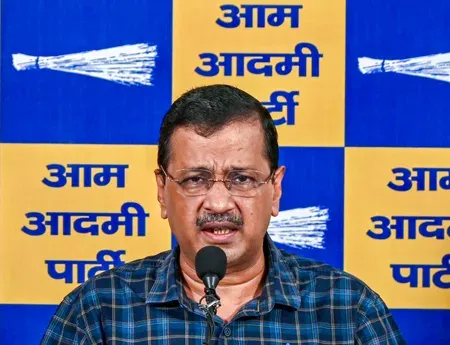
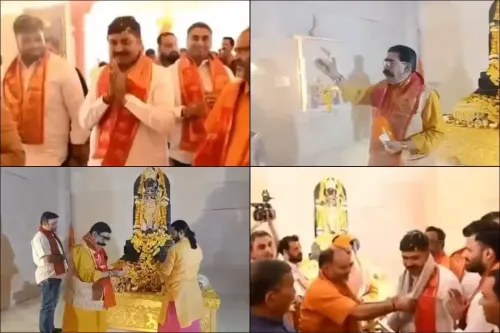
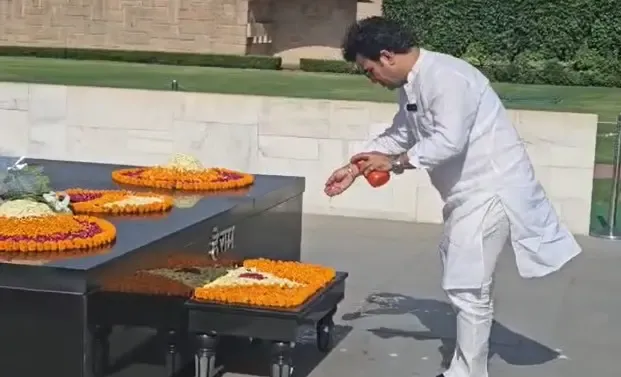
Bharatiya Janata Party (BJP) legislator Ravinder Singh Negi on Wednesday, 29 April sprinkled holy Ganga water — Gangajal — at the Rajghat memorial in New Delhi, claiming to "purify" the site a day after Aam Aadmi Party (AAP) national convener Arvind Kejriwal and senior leader Manish Sisodia visited the memorial of Mahatma Gandhi. The BJP MLA alleged that the AAP leaders had rendered the memorial "impure" by invoking Gandhian principles despite facing corruption charges.
What Negi Did and Why
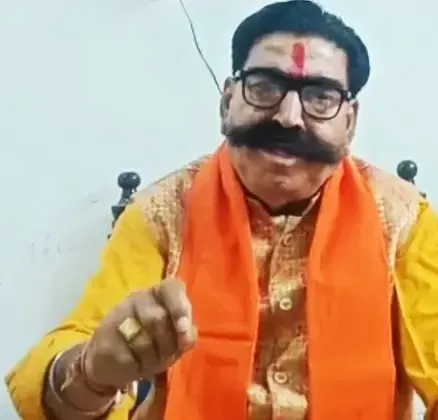
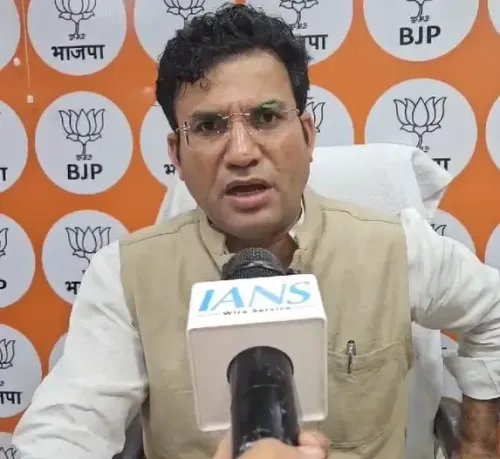
Negi, a BJP MLA, arrived at Rajghat with Gangajal and sprinkled it around the samadhi — the sacred memorial platform — in a symbolic act he described as a purification ritual. "People who have been involved in corruption and liquor policy scam, Arvind Kejriwal and Manish Sisodia, yesterday visited the memorial and talked about following the path of 'Satyagraha'. I thought that purification of this place should be done, and so I brought 'Gangajal' and sprinkled it around the 'samadhi'," he told news agency IANS.
Negi further alleged that the AAP leaders had benefited from the Delhi Excise Policy and had faced legal proceedings, including jail time, in connection with the case. "These are those people who benefited from the liquor policy in Delhi; cases were registered against them, and they were sent to jail," he added.
The Kejriwal–Sisodia Rajghat Visit
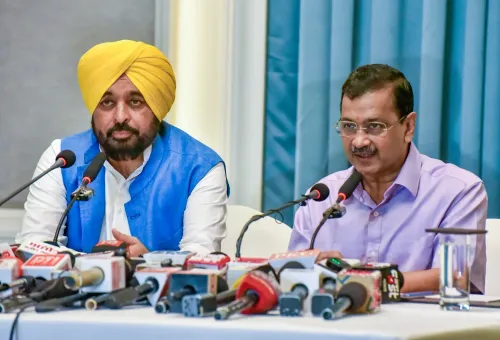
The visit to Rajghat by Kejriwal and Sisodia on Tuesday, 28 April came against the backdrop of Kejriwal's letter to Delhi High Court Justice Swarana Kanta Sharma, in which he stated he would neither appear before her personally nor through legal counsel in proceedings linked to the alleged Delhi Excise Policy case. Kejriwal reportedly said he had lost hope of receiving justice from the judge and would instead follow Mahatma Gandhi's path of Satyagraha — non-violent resistance.
The letter followed Justice Sharma's 20 April order rejecting Kejriwal's plea seeking her recusal from the case. In her ruling, Justice Sharma noted that while the "easier path" would have been to recuse without hearing the application, she chose to decide the matter on merits in the interest of institutional integrity.
Sisodia Also Writes to the High Court
Following Kejriwal's lead, former Delhi Deputy Chief Minister Manish Sisodia also wrote a letter to Justice Sharma expressing his reservations about the proceedings. Both leaders have been accused in connection with the alleged Delhi Excise Policy scam and have previously served periods in judicial custody in the matter.
BJP's Political Messaging
Negi invoked the legacy of Mahatma Gandhi to sharpen the BJP's attack, stating: "Bapuji was the person who led movements to free the country from the British Raj. A common man who had made Britishers flee from here." He further asserted that "people of Delhi did not want such people who were involved in the liquor policy, and hence they were removed from power" — a reference to the AAP's defeat in the 2025 Delhi Assembly elections.
The episode underscores the deepening political confrontation between the BJP and AAP as legal proceedings in the excise policy case continue, with both sides intensifying their public messaging ahead of further court hearings.
Point of View
But it lands in a charged context: Kejriwal's invocation of Satyagraha while refusing to engage with the court is itself a calculated provocation, and the BJP is happy to amplify it. What gets lost in the symbolism war is the substance — the Delhi excise policy case is still live in court, the recusal plea was rejected on merits, and both sides are now fighting the battle on the steps of Rajghat rather than in the courtroom. The risk for AAP is that the Satyagraha framing, while emotionally resonant with supporters, may not hold up under judicial scrutiny. The risk for the BJP is that a Gangajal stunt can easily be read as trivialising a national monument for partisan point-scoring.
NationPress
19 Sept 2026
Frequently Asked Questions
Why did BJP MLA Ravinder Singh Negi sprinkle Gangajal at Rajghat?
Negi sprinkled Gangajal at Rajghat on 29 April 2025 to symbolically 'purify' the memorial, alleging that AAP leaders Arvind Kejriwal and Manish Sisodia had made it 'impure' by visiting and invoking Gandhian principles despite facing corruption charges in the Delhi Excise Policy case.
Why did Kejriwal and Sisodia visit Rajghat on 28 April?
The visit came shortly after Kejriwal wrote to Delhi High Court Justice Swarana Kanta Sharma stating he would not appear before her in the excise policy proceedings and would instead follow Mahatma Gandhi's path of Satyagraha. The visit was widely seen as a political statement reinforcing that messaging.
What did Delhi High Court Justice Sharma rule regarding Kejriwal's recusal plea?
Justice Swarana Kanta Sharma rejected Kejriwal's plea seeking her recusal on 20 April 2025, stating she chose to decide the matter on merits in the interest of institutional integrity rather than take the 'easier path' of stepping aside without hearing the application.
What is the Delhi Excise Policy case?
The Delhi Excise Policy case refers to alleged irregularities in the AAP government's 2021–22 liquor policy. Both Kejriwal and Sisodia have faced legal proceedings, including periods of judicial custody, in connection with the case. The matter is currently being heard in the Delhi High Court.
Who is Manish Sisodia in this context?
Manish Sisodia is a senior AAP leader and former Deputy Chief Minister of Delhi who, like Kejriwal, has written to Justice Sharma expressing reservations about the excise policy proceedings. He has previously been in judicial custody in connection with the same case.