Kejriwal may owe Gadkari another apology, this time over E20 fuel: Delhi BJP
Synopsis
Delhi BJP has resurfaced Kejriwal's 2018 defamation apology to Gadkari — this time as a warning shot over E20 fuel claims. With the Union Petroleum Ministry defending ethanol blending as a decades-old, cross-party policy, BJP is betting that Kejriwal's vehicle-damage narrative will collapse under scrutiny, forcing yet another public climb-down.
Key Takeaways
Delhi BJP Spokesperson Praveen Shankar Kapoor on 14 July shared Kejriwal's 2018 apology letter to Nitin Gadkari on social media.
Kapoor warned Kejriwal may face a second public apology, this time over E20 ethanol-blended petrol claims.
Kejriwal has alleged that E20 fuel is causing vehicle engine and fuel system problems, citing feedback from mechanics.
The Union Petroleum Ministry stated the ethanol blending programme dates to 2001 and the E20 transition is backed by years of testing and manufacturer consultations.
The policy framework was notified in the Gazette of India in January 2013 under the UPA government .
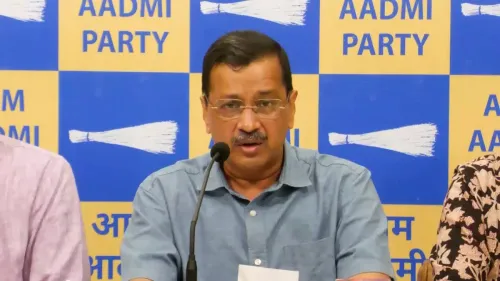
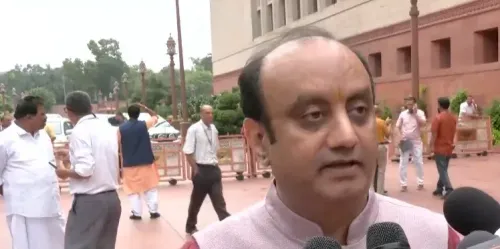
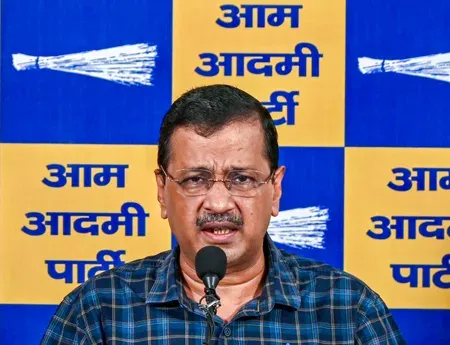
Delhi Bharatiya Janata Party (BJP) Spokesperson Praveen Shankar Kapoor on Tuesday, 14 July shared on social media a copy of the apology letter that Aam Aadmi Party (AAP) Convenor Arvind Kejriwal had personally handed to Union Road Transport and Highways Minister Nitin Gadkari on 16 March 2018 in a defamation case. Kapoor argued that Kejriwal's current campaign against E20 ethanol-blended petrol could land the former Delhi Chief Minister in a similarly embarrassing position before the nation.
BJP's Charge Against Kejriwal
Kapoor said the day was 'not far' when Kejriwal would once again have to apologise to Gadkari — this time over the ethanol-petrol controversy. He described the AAP Convenor as 'politically defeated' and 'frustrated', accusing him of reverting to a pattern of making allegations against political leaders and moving on without accountability, a formula he said Kejriwal had used between 2009 and 2013.
The Delhi BJP Spokesperson argued that Kejriwal's credibility had been significantly eroded since his early years as a political newcomer, citing what he called 'enough of his corruption between 2013 and 2025'. Kapoor contended that Kejriwal's daily attempts to provoke public opinion over E20 fuel were making him a 'subject of ridicule'.
Kejriwal's Concerns Over E20 Fuel
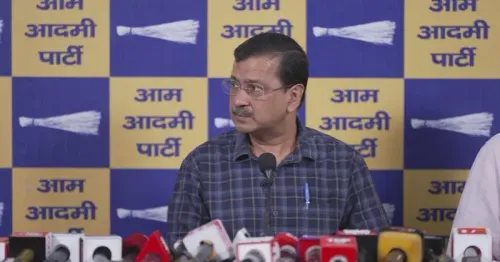
Kejriwal has been vocally opposing the rollout of E20 fuel — petrol blended with 20 per cent ethanol — raising concerns about alleged poor vehicle performance and reduced mileage. He claimed that several mechanics had reported a rising number of vehicles arriving at workshops with fuel system and engine complaints, which he attributed to the higher-ethanol blend.
Kapoor challenged these claims directly, asking Kejriwal to identify where roads were lined with broken-down vehicles or traffic jams caused by E20 — either in Delhi or elsewhere in the country — as the AAP leader's narrative would suggest.
Government Defends Ethanol Blending Programme
The Union Petroleum Ministry, in a detailed statement issued on Friday, pushed back firmly against the criticism. It stated that India's ethanol blending programme predated the current government and had a long institutional history. According to the Ministry, a pilot programme was launched in 2001, formally announced in 2004, and E5 — five per cent ethanol blending — was rolled out across several states by 2006.
The Ministry further noted that the policy framework was notified in the Gazette of India in January 2013 during the UPA government, adding that the transition from E10 to E20 was 'not based on assumptions, but on years of testing, manufacturer consultations and field experience'. Officials described these as 'matters of public record'.
Context: The 2018 Apology
The letter Kapoor circulated dates to 16 March 2018, when Kejriwal personally handed an apology to Gadkari to settle a defamation suit. By surfacing this document now, Delhi BJP is drawing a parallel — suggesting that Kejriwal's current rhetoric on E20 could follow the same trajectory of public retraction. The move is part of a broader BJP effort to frame Kejriwal's recent political activity as a pattern of reckless allegation-making.
What Comes Next
The E20 debate is set to intensify as the fuel's phased rollout continues nationally. With the Union government defending the programme on scientific and historical grounds, and AAP positioning itself as a consumer-protection voice, the dispute is likely to spill into upcoming state and municipal political cycles. Whether Kejriwal's concerns gain traction with vehicle owners — or are rebutted by on-ground data — will shape the political salience of the issue in the months ahead.
Point of View
However, is not without genuine public anxiety: mileage and engine concerns are real questions that deserve data-backed answers, not political point-scoring from either side. The government's defence — that the programme spans multiple administrations and rests on extensive testing — is substantively stronger than it is being heard, partly because the communication has been reactive rather than proactive. If vehicle complaint data does not materialise at scale, Kejriwal's campaign risks fading; if it does, BJP's ridicule will look premature.
NationPress
13 Oct 2026
Frequently Asked Questions
Why did Arvind Kejriwal apologise to Nitin Gadkari in 2018?
Kejriwal personally handed an apology letter to Gadkari on 16 March 2018 to settle a defamation suit. Delhi BJP resurfaced this letter on 14 July to draw a parallel with Kejriwal's current campaign against E20 fuel.
What is E20 fuel and why is Kejriwal opposing it?
E20 is petrol blended with 20 per cent ethanol, part of India's national ethanol blending programme. Kejriwal has claimed the blend is causing poor vehicle performance and mileage, citing mechanics who reportedly told him of rising engine and fuel system complaints.
What has the Union government said in defence of E20?
The Union Petroleum Ministry stated that India's ethanol blending programme began in 2001, was formally announced in 2004, and E5 was rolled out across states by 2006. The Ministry said the transition to E20 is based on years of testing and manufacturer consultations, and that the policy framework was notified in the Gazette of India in January 2013 under the UPA government.
What is Delhi BJP's main argument against Kejriwal on E20?
Delhi BJP Spokesperson Praveen Shankar Kapoor argued that if Kejriwal's claims about E20 causing widespread vehicle breakdowns were true, roads would be lined with stalled vehicles — which is not the case. He described Kejriwal as 'politically defeated' and accused him of spreading misinformation.
How does the E20 dispute fit into the broader AAP-BJP political rivalry?
BJP has framed Kejriwal's E20 campaign as a continuation of his pre-2013 political style of making allegations and moving on. AAP, in turn, is positioning itself as a consumer-protection voice against a policy it says harms ordinary vehicle owners — a narrative aimed at rebuilding political capital after electoral setbacks.