BJP reshuffles state in-charge team, 21 women leaders get nearly one-third representation
Synopsis
The BJP has embedded 21 women leaders directly into its state-level command structure — not in auxiliary wings but in mainstream in-charge roles covering election strategy and organisational expansion. With nearly one-third representation in the new team, the move is the party's most visible internal step yet toward aligning its organisational reality with the 33% women's reservation it passed into law.
Key Takeaways
The BJP announced a reshuffle of state in-charges and co-in-charges on 23 September 2026 .
21 women leaders have been assigned responsibilities across states and Union Territories, constituting close to one-third of the new team.
The roles cover organisational expansion, election preparedness, political outreach , and coordination with state units — mainstream positions, not women-wing roles.
The move is linked to the BJP's stated commitment following the Nari Shakti Vandan Adhiniyam , which provides 33% reservation for women in Parliament and assemblies, pending delimitation.
The reshuffle comes ahead of upcoming state assembly elections, with women voters increasingly central to electoral outcomes.
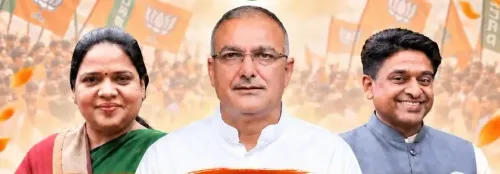
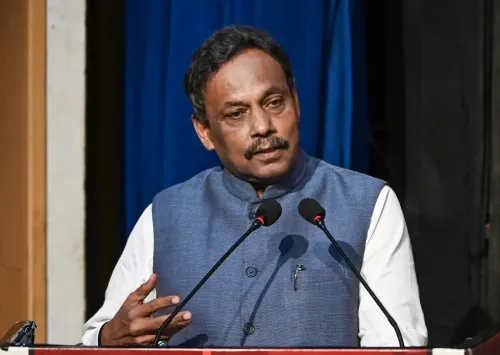
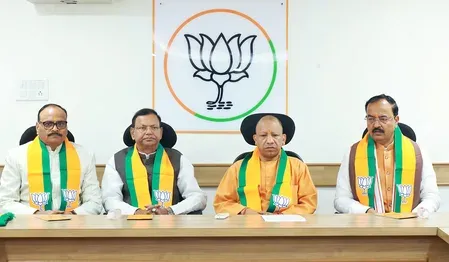
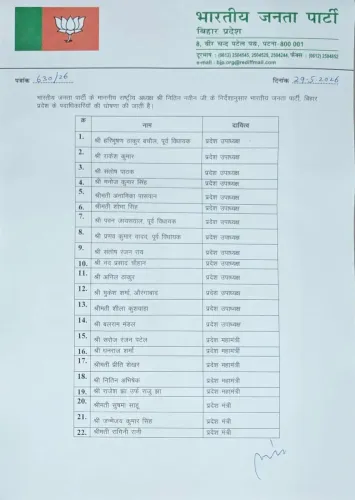
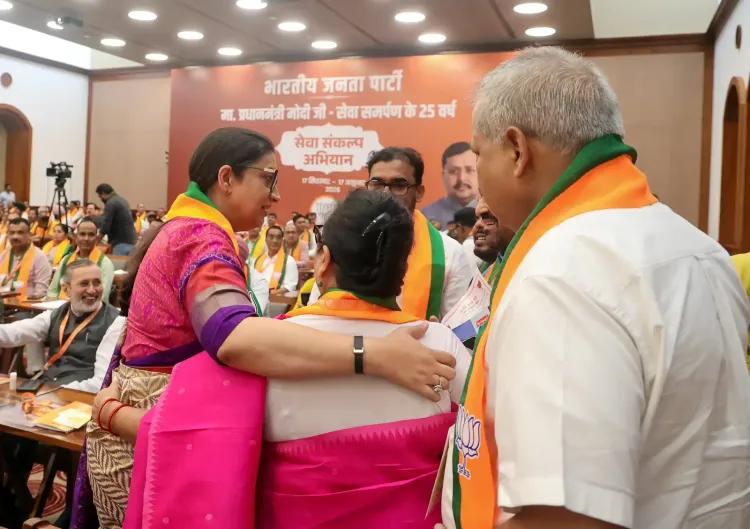
The Bharatiya Janata Party (BJP) on 23 September 2026 announced a comprehensive reshuffle of its state in-charges and co-in-charges, placing 21 women leaders in mainstream organisational roles across states and Union Territories — giving women close to one-third representation in the newly constituted team.
Scope of the Reshuffle
The newly appointed in-charges and co-in-charges will shoulder direct responsibilities in organisational expansion, election preparedness, political outreach, and coordination with state units. Notably, these are mainstream command positions rather than roles confined to women-focused wings or auxiliary bodies — a distinction the party has explicitly highlighted.
State in-charges occupy a pivotal place in the BJP's federal organisational architecture, serving as the bridge between the central leadership in New Delhi and state units. Their mandate covers monitoring booth-level operations, guiding election strategy, reviewing organisational performance, and ensuring alignment across cadres.
Why the BJP Is Emphasising Women's Representation
The reshuffle dovetails with the party's sustained push for greater female participation in political and organisational life. The BJP has repeatedly cited the Nari Shakti Vandan Adhiniyam — which provides for 33 per cent reservation for women in the Lok Sabha and state legislative assemblies, subject to delimitation and Census-linked implementation — as evidence of its institutional commitment to women's empowerment.
By placing women in core organisational roles, the party appears to be building an internal leadership pipeline that mirrors its stated legislative intent. Critics, however, have noted that the Nari Shakti Vandan Adhiniyam's implementation timeline remains contingent on the completion of delimitation, meaning the reservation has not yet taken effect.
Electoral Context
The restructuring carries added weight given the electoral calendar. Several state units are reportedly gearing up for assembly elections, and the deployment of women in-charges at this juncture is seen as a strategic move to consolidate outreach among women voters — a demographic that has shown rising electoral participation across recent state and national polls.
Political parties across the spectrum have intensified engagement with women voters through welfare schemes, targeted outreach, and greater organisational representation. The BJP's decision to embed 21 women in its state-level command structure signals a deliberate step beyond symbolic inclusion.
What This Means for the Party's Organisational Framework
The appointed leaders will be tasked with coordinating between central leadership and grassroots workers, strengthening booth-level networks, and overseeing the party's readiness for upcoming electoral contests. Their integration into the mainstream command structure — rather than parallel women's wings — is being read as a structural shift in how the BJP distributes internal authority.
With the reshuffle now in place, attention will turn to whether these appointments translate into measurable gains in women's representation at the candidate-selection stage in forthcoming elections.
Point of View
Yet its implementation remains hostage to delimitation, with no firm timeline in sight. Internal organisational representation and legislative reservation are not interchangeable wins. The real test will come at candidate-selection time: if the women now running organisational machinery are passed over for tickets, the reshuffle risks reading as pipeline politics without a pipeline exit. India's opposition parties will be watching — and so will women voters, who have consistently punished performative gestures at the ballot box.
NationPress
23 Sept 2026
Frequently Asked Questions
How many women leaders has the BJP appointed in its new state in-charge team?
The BJP has appointed 21 women leaders as state in-charges and co-in-charges, giving women close to one-third representation in the newly constituted organisational team announced on 23 September 2026.
What responsibilities will the newly appointed women in-charges handle?
They will oversee organisational expansion, election preparedness, political outreach, and coordination with state units. They will also monitor booth-level operations and guide election strategy — core command functions rather than women-specific advisory roles.
How does this relate to the Nari Shakti Vandan Adhiniyam?
The Nari Shakti Vandan Adhiniyam provides for 33% reservation for women in the Lok Sabha and state assemblies but is yet to take effect as it is linked to the completion of delimitation. The BJP has cited the law as part of its broader commitment to women's empowerment, and these organisational appointments are seen as an internal step in that direction.
Why is this reshuffle significant ahead of state elections?
Several state units are reportedly preparing for upcoming assembly elections. Placing women in key organisational roles at this stage is widely seen as a strategic move to strengthen outreach among women voters, who have become a decisive demographic in recent Indian elections.
Is this the first time the BJP has given women such organisational roles?
The BJP has previously included women in state-level organisational structures, but the party has emphasised that the latest reshuffle places women in mainstream command positions — distinct from roles in specialised or women-focused wings — representing an enhanced level of internal authority.