Sheesh Mahal Row: BJP Revives Kejriwal Luxury Bungalow Controversy
Synopsis
The Sheesh Mahal controversy is back — BJP Minister Parvesh Verma released photos alleging Kejriwal renovated his Lodhi Estate residence lavishly. AAP's Atishi called the images fake. The row echoes earlier allegations of Rs 33–45 crore spent on the Civil Lines bungalow, a controversy that cost AAP dearly in Delhi's 2025 elections.
Key Takeaways
BJP Minister Parvesh Verma released photographs on April 25, 2025 , alleging Arvind Kejriwal renovated his official residence at 95 Lodhi Estate , New Delhi, lavishly.
AAP leader Atishi rejected the photographs as fake, calling the allegation a "cheap publicity stunt" with no new renovation underway.
The original Sheesh Mahal controversy involved alleged expenditure of Rs 33–45 crore on the Civil Lines–Flagstaff Road bungalow, with cost overruns reportedly 342% above the original budget .
Annual maintenance of the Civil Lines bungalow between 2015 and 2022 averaged over Rs 3.69 crore per year , according to CAG and internal audit data .
A separate "Sheesh Mahal 2.0" row erupted in 2025 over an alleged government bungalow in Chandigarh's Sector-2 , which AAP denied was allotted to Kejriwal .
The AAP-led Delhi government announced in 2025 that the original Civil Lines bungalow would be repurposed as a public guest house with a cafeteria .
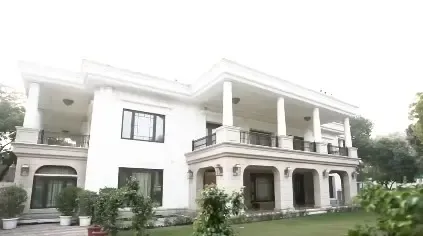
The Sheesh Mahal controversy has reignited in New Delhi on April 25, 2025, as Bharatiya Janata Party (BJP) leader and Delhi Public Works Department Minister Parvesh Verma released photographs alleging that Aam Aadmi Party (AAP) supremo and former Delhi Chief Minister Arvind Kejriwal has once again carried out lavish renovations at his official residence in the capital's upscale Lodhi Estate area. AAP leader Atishi has flatly rejected the photographs as fabricated, calling the move a politically motivated stunt.
What BJP Alleged at Saturday's Press Conference
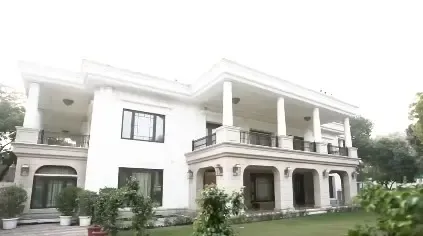
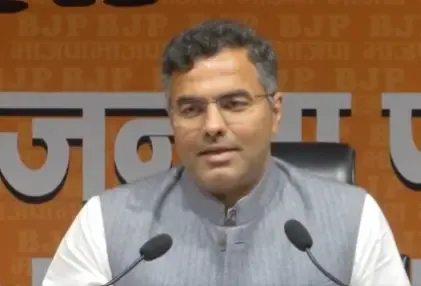
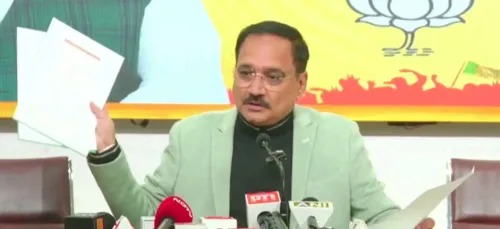
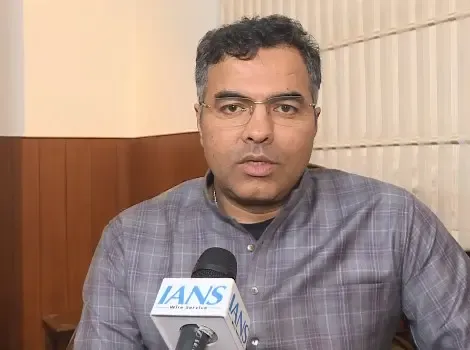
At a media briefing on Saturday, Minister Parvesh Verma unveiled a set of interior photographs of a residence located at 95 Lodhi Estate, asserting that Kejriwal had once again indulged in extravagant upgrades at a government-allotted property. The BJP framed the alleged renovation as a continuation of what it has long branded a pattern of taxpayer-funded luxury living by the AAP leadership.
AAP's Atishi countered sharply, stating the photographs released by Verma were doctored or misrepresented, and that 95 Lodhi Estate is a standard government bungalow reassigned through routine administrative protocol — with no extraordinary renovation work underway.
The Original Sheesh Mahal: Civil Lines Bungalow Controversy Explained
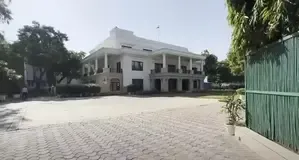
The term "Sheesh Mahal" — evoking a glass-and-mirror palace synonymous with royal opulence — first entered Indian political vocabulary when sections of the media and the BJP alleged that between Rs 33 crore and Rs 45 crore was spent renovating Kejriwal's official residence at Civil Lines–Flagstaff Road, a heritage bungalow dating to the 1930s.
Detailed reports cited expenditures including approximately Rs 97 lakh on curtains, Rs 3 crore on imported marble, and additional crores on structural upgrades, modern kitchens, and security systems — all funded under the AAP-led Delhi government. According to media reports citing Comptroller and Auditor General (CAG) and internal audit data, the annual maintenance cost of the bungalow between 2015 and 2022 averaged more than Rs 3.69 crore per year.
Critics noted that the alleged cost overruns stood at approximately 342 per cent above the original sanctioned budget — a figure that drew sustained outrage, particularly given that the renovations reportedly occurred during or in the shadow of the Covid-19 pandemic, when millions of Delhi residents faced severe economic hardship.
The Austerity Contradiction at the Heart of the Dispute
Arvind Kejriwal built his political identity on a platform of radical austerity and anti-corruption. In the early years of AAP's rise, he publicly pledged that he and his ministers would occupy modest government flats rather than sprawling official bungalows — a promise that critics argue was abandoned almost immediately upon assuming power in 2015.
This contradiction has proven politically potent. The BJP has repeatedly juxtaposed images of the renovated Civil Lines residence with Kejriwal's early speeches about the common man's struggle, arguing that the "Sheesh Mahal" is the most visible symbol of what they call AAP's betrayal of its founding principles.
Notably, the controversy gained significant electoral traction during the 2025 Delhi Assembly elections, with the BJP using the bungalow as a campaign centerpiece — a strategy that analysts credited with contributing to voter disillusionment with AAP among certain urban middle-class segments.
Sheesh Mahal 2.0: The Chandigarh Chapter
In 2025, the controversy extended to Punjab, where the BJP alleged that the AAP government had allocated Kejriwal a "luxurious 7-star" two-acre government bungalow in Chandigarh's Sector-2, quickly dubbed "Sheesh Mahal 2.0" on social media. Viral posts and images amplified the claim, with BJP accounts asserting it was a personal bungalow gifted from the Chief Minister's quota.
AAP leaders rejected this allegation entirely, stating that no such bungalow had been allotted to Kejriwal and that the property flagged online was a public-use guest house. They argued the BJP narrative was constructed using mislabelled maps and manipulated photographs — a charge the BJP has not accepted.
AAP's Defence and the Repurposing Announcement
AAP has consistently maintained that the original Civil Lines bungalow was a dilapidated heritage structure lying unused for years, and that renovation was necessary to create a secure, functional official residence — not a personal palace. The party highlights that upgrades included modern security systems, fire-safety infrastructure, ramp-access facilities for differently-abled visitors, and eco-friendly interior elements.
AAP has also pointed out that multiple former Delhi Chief Ministers occupied comparable official residences without facing similar public scrutiny, framing the "Sheesh Mahal" label as a selective political weapon. In a bid to neutralise the narrative, the AAP-led Delhi government announced in 2025 that the original Civil Lines bungalow would be converted into a public guest house with an in-house cafeteria — a move presented as reflecting transparency and civic repurposing rather than personal enrichment.
As the latest round of allegations continues, with the BJP standing firm on its claims and AAP dismissing them as a "cheap publicity stunt", the Sheesh Mahal controversy shows no signs of fading. With Punjab Assembly elections on the political horizon and AAP fighting to rebuild its credibility post its Delhi electoral setback, how the party manages this recurring image crisis could have significant implications for its national political future.
Point of View
But the symbolism: the same years that saw Rs 3.69 crore annual maintenance on one bungalow also saw Delhi's public hospitals struggling for resources. The BJP's strategy of recycling this controversy at every electoral inflection point is working precisely because AAP has failed to offer a credible, consistent counter-narrative — and that silence is louder than any press conference.
NationPress
3 Oct 2026
Frequently Asked Questions
What is the Sheesh Mahal controversy involving Arvind Kejriwal?
The Sheesh Mahal controversy refers to allegations that Arvind Kejriwal spent Rs 33–45 crore renovating his official residence at Civil Lines–Flagstaff Road in Delhi using taxpayer funds. The BJP coined the term 'Sheesh Mahal' to highlight what it called lavish, opulent upgrades — including Rs 97 lakh on curtains and Rs 3 crore on imported marble — that contradicted AAP's austerity promises.
What did BJP's Parvesh Verma allege about Kejriwal's Lodhi Estate residence?
Delhi PWD Minister Parvesh Verma released photographs on April 25, 2025, claiming Kejriwal had carried out lavish renovations at his government-allotted residence at 95 Lodhi Estate. AAP leader Atishi rejected the photographs as fake and called the allegation a cheap publicity stunt.
What is Sheesh Mahal 2.0 in Chandigarh?
Sheesh Mahal 2.0 refers to BJP's allegation in 2025 that the AAP government in Punjab allotted Kejriwal a luxurious two-acre bungalow in Chandigarh's Sector-2. AAP denied the claim, stating the property is a public guest house and that the BJP's allegations were based on mislabelled maps and manipulated images.
How has AAP responded to the Sheesh Mahal allegations?
AAP has argued that the Civil Lines bungalow was a dilapidated heritage structure requiring essential renovation for security and functionality. The party also announced in 2025 that the original bungalow would be converted into a public guest house with a cafeteria, framing it as a transparency measure.
What was the annual maintenance cost of Kejriwal's Civil Lines bungalow?
According to media reports citing CAG and internal audit data, the annual maintenance cost of the Civil Lines–Flagstaff Road bungalow averaged more than Rs 3.69 crore per year between 2015 and 2022. The BJP used this figure to brand it a 'taxpayer-funded luxury house'.