Siddaramaiah borrowed 52% of Karnataka's total debt, alleges BJP's R. Ashoka
Synopsis
BJP's R. Ashoka dropped a striking fiscal charge in Bengaluru: former CM Siddaramaiah alone racked up over half of Karnataka's entire cumulative state debt. With the state's total borrowing at ₹8,34,677 crore and drought relief falling far short of Opposition demands, the BJP is framing Karnataka's finances as a Congress-made crisis — and promising to take the fight to the public.
Key Takeaways
Ashoka (BJP) alleged that Siddaramaiah alone borrowed ₹4,36,803 crore , or 52.33% of Karnataka's total cumulative debt.
Karnataka's total debt is claimed to stand at ₹8,34,677 crore , with Congress governments allegedly accounting for 68% of this figure.
Ashoka projected an additional ₹1.5 lakh crore in borrowing during the current financial year, alleging the prescribed 2.94% borrowing limit has already been breached.
The BJP demanded drought relief of ₹25,000 per acre ; the state announced only ₹2,500 for 50 lakh families .
Ashoka alleged irregularities of ₹1–2 lakh crore in the NICE project and accused CM D.K.
Shivakumar of complicity.
Karnataka reportedly recorded a 36% rainfall deficit , with the southern interior at 46% ; drinking-water funds of ₹1 crore per constituency remain unreleased, according to Ashoka.
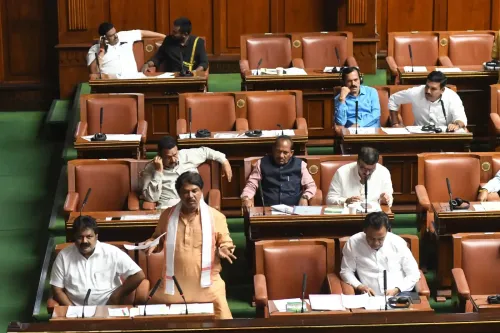
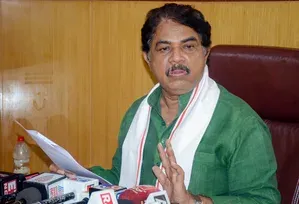
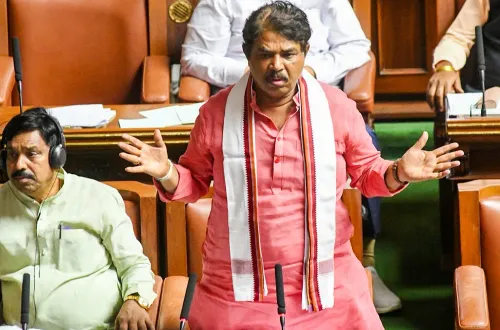
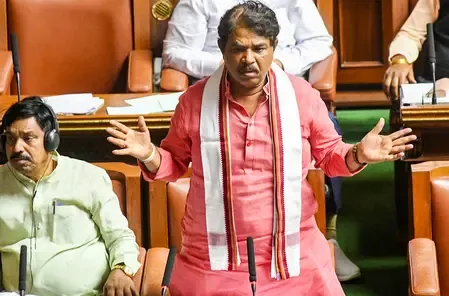
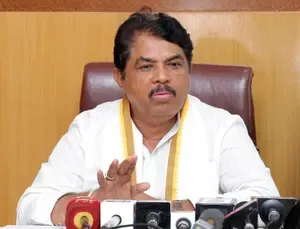
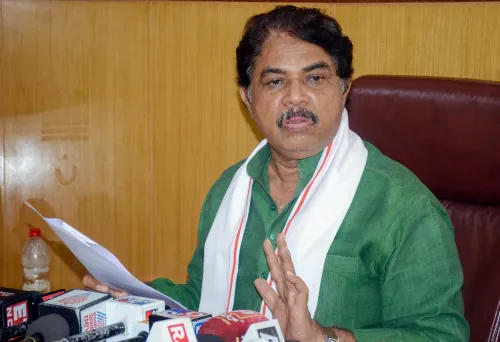
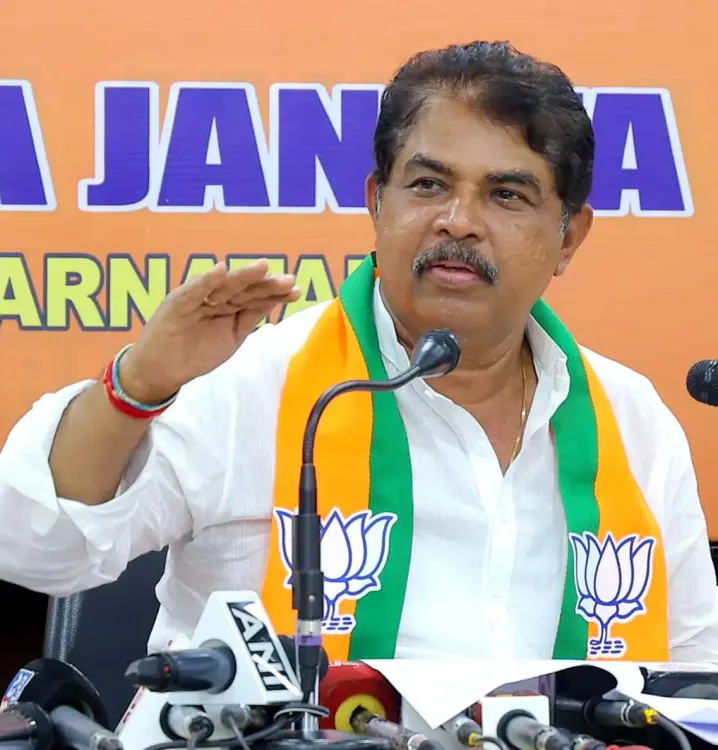
Karnataka's Opposition Leader and senior Bharatiya Janata Party (BJP) leader R. Ashoka on Wednesday, 30 September alleged that the state's finances have been pushed into a crisis under the Congress government, claiming that former Chief Minister Siddaramaiah alone accounted for ₹4,36,803 crore in borrowings — or 52.33 per cent of the total debt accumulated by all successive Chief Ministers combined. Ashoka made the allegations at a press conference in Bengaluru.
The Debt Figures
According to Ashoka, Karnataka's total debt stands at ₹8,34,677 crore. He alleged that Congress governments collectively borrowed ₹5,66,970 crore, accounting for 68 per cent of the total, while BJP governments borrowed ₹2,62,000 crore and the Janata Dal (Secular) (JD-S) tenure saw borrowings of ₹5,664 crore.
Comparing individual Chief Ministers, Ashoka cited the following figures: late J.H. Patel — ₹5,664 crore; B.S. Yediyurappa — ₹1,63,713 crore; H.D. Kumaraswamy — ₹1,01,419 crore; Basavaraj Bommai — ₹67,000 crore; D.V. Sadananda Gowda — ₹24,525 crore; late S.M. Krishna — ₹20,576 crore; and late Dharam Singh — ₹16,974 crore. These figures were presented by the Opposition and have not been independently verified.
Borrowing Limits and Current Year Projections
Ashoka further alleged that the state government's borrowing had already crossed the prescribed limit of 2.94 per cent of the state's gross domestic product. He projected that Karnataka would need to borrow an additional ₹1.5 lakh crore during the current financial year, warning that this trajectory was fiscally unsustainable.
Drought Relief and Farmer Distress
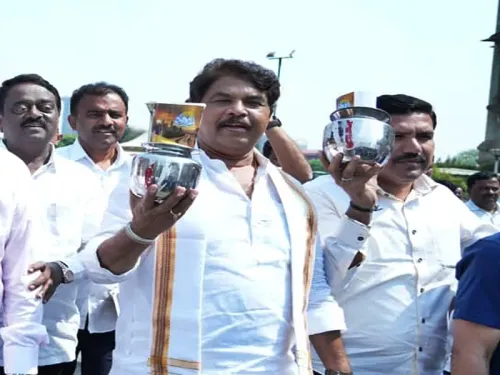
Shifting to the ongoing drought situation, Ashoka accused the Congress government of failing to meet Opposition demands for adequate farmer relief. He said the BJP had demanded a minimum of ₹25,000 per acre, but the state government announced only ₹2,500 for 50 lakh families. He alleged that ₹1,110 crore was being allocated to Bharat Jodo committees, while only ₹1,250 crore was being provided as drought relief to 50 lakh farmers — a contrast he described as a misalignment of priorities.
Ashoka also claimed Karnataka recorded a 36 per cent rainfall deficit, with the southern interior region facing a steeper 46 per cent shortfall. He raised the issue of farmer suicides and alleged inadequate state action against the microfinance sector. He added that ₹1 crore per Assembly constituency had been announced for drinking-water measures but had not yet been released.
Pending Payments and NICE Project Allegations
The Opposition leader cited the Contractors' Association as having sought the release of ₹38,000 crore in pending payments, with ₹260 crore reportedly pending towards ragi procurement. He also referred to the disappearance of Karnataka Rural Infrastructure Development Ltd (KRIDL) official Parvez Dharwad, who he claimed had written a letter complaining about non-release of grants and alleged workplace pressure.
Ashoka further alleged irregularities worth ₹1 lakh crore to ₹2 lakh crore in the NICE project, claiming the state could save ₹1 lakh crore if the new project were halted. He also alleged that Chief Minister D.K. Shivakumar had 'joined hands' with NICE — a charge the government has not formally responded to as of the time of this report.
All-Party Delegation and Political Standoff
On the question of approaching the Centre for drought relief, Ashoka said the state government had not consulted the Opposition before deciding to seek Union government assistance. He stated the BJP was willing to join an all-party delegation to New Delhi but insisted the Union government should first hold discussions with all parties on the drought situation. 'We will go to the people, to the people's court,' Ashoka said, signalling an escalation of the political confrontation over the state's fiscal and agricultural crisis.
The Congress government is yet to formally respond to the specific figures cited by Ashoka. With Karnataka's fiscal position under increasing scrutiny, the coming weeks are likely to see intensified political and public debate over the state's debt management and relief delivery.
Point of View
But the figures he cited — presented without independent audit backing — deserve scrutiny before they shape public discourse. The BJP's own Chief Ministers appear in the same borrowing table, and Yediyurappa's ₹1,63,713 crore tenure is not a small number. The more substantive charge is the drought relief disparity: allocating more to political outreach committees than to distressed farmers is a contradiction the Congress government will struggle to defend on optics alone. The NICE project allegation, if substantiated, would be the most consequential disclosure — but Ashoka offered no documentary evidence at the presser. Karnataka's fiscal stress is real; the political framing around it is, predictably, selective.
NationPress
1 Oct 2026
Frequently Asked Questions
What did BJP's R. Ashoka allege about Siddaramaiah's borrowings in Karnataka?
Ashoka alleged that former Chief Minister Siddaramaiah alone was responsible for ₹4,36,803 crore in state borrowings, representing 52.33% of Karnataka's total cumulative debt of ₹8,34,677 crore. These figures were presented by the BJP at a press conference in Bengaluru on 30 September and have not been independently verified.
What is Karnataka's total debt according to the BJP's claims?
According to Ashoka, Karnataka's total debt stands at ₹8,34,677 crore. He alleged that Congress governments collectively accounted for ₹5,66,970 crore (68%) of this total, BJP governments for ₹2,62,000 crore, and the JD-S tenure for ₹5,664 crore.
What did the BJP allege about Karnataka's drought relief for farmers?
Ashoka alleged the state government announced only ₹2,500 in relief for 50 lakh families, far below the Opposition's demand of ₹25,000 per acre. He contrasted this with an alleged ₹1,110 crore allocation to Bharat Jodo committees, arguing relief priorities were misplaced.
What are the allegations against the NICE project in Karnataka?
Ashoka alleged irregularities worth ₹1 lakh crore to ₹2 lakh crore in the NICE project and claimed the state could save ₹1 lakh crore by halting a new project linked to it. He also alleged that Chief Minister D.K. Shivakumar had 'joined hands' with NICE, without providing documentary evidence at the press conference.
What is the rainfall deficit situation in Karnataka according to the BJP?
Ashoka claimed Karnataka recorded a 36% rainfall deficit overall, with the southern interior region facing a more severe 46% shortfall. He also alleged that ₹1 crore per Assembly constituency announced for drinking-water measures had not yet been released to the affected areas.